Black Vultures: A New Threat to Illinois Farmers
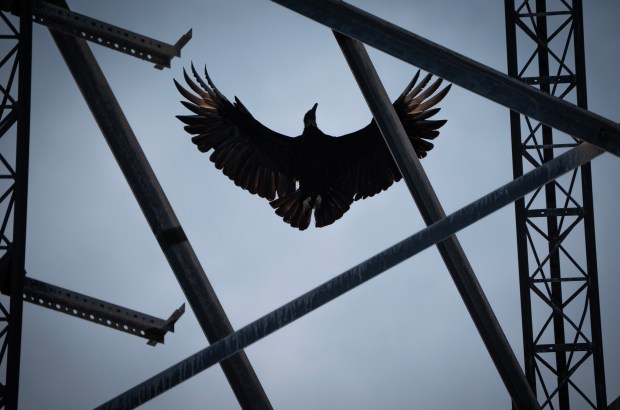
In the daylight, black vultures glide slowly above country roads and cattle farms in rural southern Illinois. These birds were once uncommon this far north. Now, they are a part of the landscape, and farmers like Patty Zettle are taking action. Zettle, armed with a Benelli Black Eagle 12-gauge shotgun, is determined to protect her farm from these intruders.
Black vultures have developed a taste for easy meals, which include roadkill and newborn calves. When Zettle discovered one of her calves mutilated last year, she attributed the blame to the vultures. The loss of a calf represents significant emotional and financial cost to her farm.
“That’s my effigy,” Zettle says, referring to the likeness of a vulture she made and hung on a tree. Vultures dislike effigies, and Zettle hopes it deters them.
Her property spans 70 acres in northeastern Williamson County, Illinois. Zettle monitors her livestock closely as black vultures pose a new threat in the region. Distinguishing them from native turkey vultures can be challenging. Black vultures are stockier and more aggressive, with white-tipped wings setting them apart. Federal law protects these birds, but since 2021, Zettle has obtained permits to shoot a limited number annually.
Black vultures have historically resided in the Southeast and along the Gulf Coast. Climate changes have encouraged their migration into the Midwest. As a former postal service rural carrier, Zettle often observed these birds from her vehicle. Despite her vigilance, she missed a chance to hang a real vulture as an effigy after a recent hunting attempt.
Crab Orchard, a nearby community, experiences a similar vulture influx. Birds gather in large numbers on radio towers. The University of Georgia’s wildlife biologist, Michel Kohl, studies this phenomenon, noting how warming temperatures benefit black vultures.
“Not a lot of people like vultures,” Kohl acknowledges. Despite their poor reputation, vultures perform an essential ecological function by consuming carrion without spreading diseases.
Zettle’s routine involves managing her farm alongside her mail route responsibilities. Black vultures frequently appear during her rounds, prompting conversations with neighbors about recent sightings.
As temperatures rise and southern species move north, Zettle encounters armadillos in the region. Her observations are confirmed by others in her community.
On a pivotal day, Zettle stumbled upon a deceased black vulture during her mail route. Her fiancé, Robert Willmore, quickly retrieved the carcass. They understood it would serve as an effective deterrent. Carefully selecting a location, they hung the dead vulture in a clear area visible to others from the sky.
Willmore and Zettle hope that this authentic effigy will keep black vultures away from their farm. As Zettle concludes, the real effigy beats the homemade one.