Choosing the Best Kids’ Reading and Writing Materials
Literacy involves more than just the ability to read and write. It equips individuals with tools for expressing themselves effectively. Quality reading and writing materials are crucial for building a strong foundation. These materials can set your child up for success as they grow.
Understanding Reading Levels
Recognizing reading levels can help you choose materials that match your child’s developmental stage.
- Ages 4-6: Young children typically recognize most letters at this age. Introducing an engaging language arts activity book is ideal. Look for books with colorful activities that emphasize letter recognition, sounds, and blending.
- Ages 5-7: Children are often ready to start reading. Decide whether a phonics or whole-language method suits the child best.
- Ages 8-10: Older children handle reading, writing, and spelling more effortlessly. Select materials focusing on grammar and sentence structure.
Phonics vs. Whole Language
Each method offers unique benefits:
- Phonics: Students learn word breakdown using sounds and rules. This approach encourages solving word puzzles but might struggle with irregular words, like ‘pear’ and ‘pair’.
- Whole Language: Words are taught within contextual settings, enhancing familiarity. This method can benefit children with dyslexia.
Quality Materials
Consider these factors when choosing resources:
- Digital vs. Print: Both formats offer valuable resources. Starting with print can help children develop pencil-holding skills. Digital resources can be introduced later.
- All-in-One Workbooks: These books cover multiple topics. They are great for introducing kindergarten and first-grade children to reading and writing. As children progress, opt for books focusing more deeply on each topic.
- Easy Readers: These use simple words and repetition suitable for beginners.
- Child-Friendly Writing Pages: Look for books with blank-lined pages allowing practice. Ensure there is enough space for young learners.
Cost Expectation
Prices vary depending on the type of resource:
- Simple activity books typically range from $10-$20.
- Bundles including multiple resources may cost $50 or more.
Concerns and Evaluation
If your child experiences reading difficulties:
- Age Concerns: While children differ, most learn to read between ages four and seven. Consult a pediatrician if reading challenges persist by age eight.
- Dyslexia Signs: Evaluation is required for an accurate diagnosis. Look for struggles with nursery rhymes and difficulty remembering the alphabet.
Recommended Materials
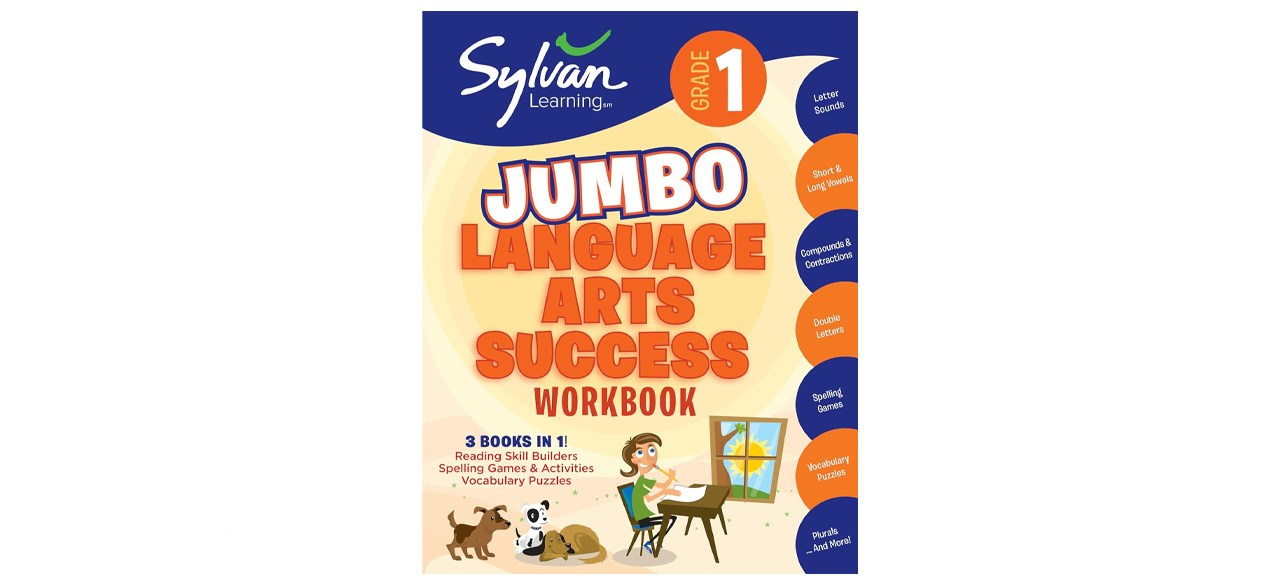
- Sylvan Learning’s First Grade Jumbo Language Arts Success Workbook: A 3-in-1 workbook that covers language arts topics in a child-friendly manner. Includes engaging activities, appealing design, but some instructions may require adult assistance.
- Hannah Braun’s Learn to Read Activity Book: Ideal for introducing young learners to simple words. It includes challenges like mazes and word searches but may be tough for kids not yet recognizing letters.