Chicago City Council Moves to Ban Police with Extremist Ties
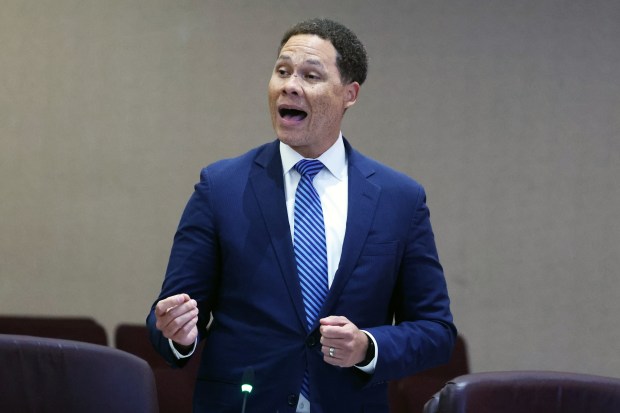
The Chicago City Council approved a measure on Wednesday that prohibits police officers with connections to extremist or hate groups from serving in the Chicago Police Department. By a vote of 28 to 21, the ordinance mandates the termination of officers tied to organizations such as the Three Percenters or Proud Boys.
The ordinance also bars the hiring of individuals with affiliations to these groups and introduces new processes for investigating both current police personnel and applicants. During intense discussions, opponents argued the measure unfairly targets police rather than encompassing all city employees. Alderman Matt Martin, a key supporter of the ordinance, urged swift action, highlighting the need due to past reports of extremism within the police force.
“Refusing to act because one proposal is not a silver bullet, that’s a mistake,” Martin stated. “We should do what we can, where we can with the legal tools that are available and we should do it now.” However, Alderman Nick Sposato expressed his belief that the ordinance should apply more broadly across all city departments, stating, “My big problem is, once again, singling out the police.”
John Catanzara, president of the Chicago Fraternal Order of Police, announced potential legal action against the ordinance, criticizing it as “ridiculous” and unnecessary. Martin forced the vote following a delay caused by parliamentary procedures last month.
The ordinance has been linked to the aftermath of the U.S. Capitol riot on January 6, 2021, and a 2024 report by Chicago Inspector General Deborah Witzburg, which found the city’s response to extremist elements within the police force lacking. It targets active participation in radical groups, including fundraising, recruiting, and displaying extremist symbols, according to Martin.
Support from Mayor Brandon Johnson has been pivotal. He launched a task force to address extremism following Witzburg’s findings. Johnson emphasized the importance of maintaining trust between residents and law enforcement, stating the measure ensures the police meet high standards.
Despite opposition from some council members, the city Law Department defended the ordinance’s focus on police. According to their legal analysis, the measure meets First Amendment criteria by being “narrowly tailored.” Martin acknowledged the Law Department’s conclusion, stressing the unique role of police in upholding laws.
“They carry government-issued weapons, they exercise the power of the state, and they are empowered to enforce our laws every single day across our city,” Martin explained. The ordinance presents a content-neutral definition of extremist groups to ensure legal defensibility.