The Real Story Behind Shifts in American Political Landscape
Recent electoral upsets involving Democratic Socialists and progressive outsiders have sparked debates about America’s political direction. Many wonder whether the country is shifting significantly to the left.
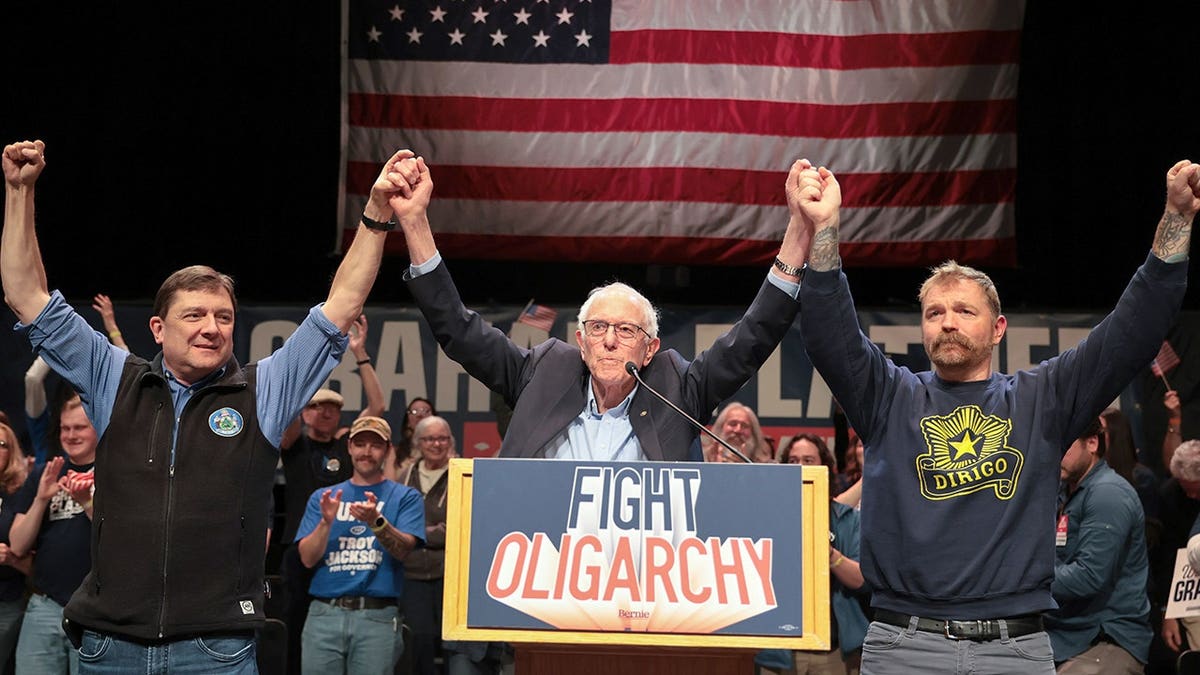
Mayor Zohran Mamdani’s success in New York and Graham Platner’s brief prominence in Maine have generated similar discussions. As the political scene evolves, many Democrats are supporting Troy Jackson, a self-described “pickup truck progressive.” Conventional thinking suggests these victories reflect a growing acceptance of liberal ideas.
However, the rise of democratic socialism is not the primary narrative. It’s merely a symptom of larger issues.
Lack of Confidence in Institutions
The real issue is that millions of Americans have lost trust in the institutions they once believed could address problems, create opportunities, and make the government function effectively. The decline in institutional confidence doesn’t lead voters to shift strictly left or right. Instead, they’re more inclined to support candidates who challenge the status quo.
Gallup’s recent polls highlight the problem: confidence in American institutions is near historical lows. For example, only 9% express trust in Congress. Other sectors like the criminal justice system, organized religion, higher education, and big business have seen dramatic declines in trust over the last generation.
Patterns of Political Disruption
This is not merely a crisis within a single institution; it’s a crisis of confidence across the system. Politics doesn’t operate in isolation; voters assess if the institutions backing policy positions can deliver results. When belief in these institutions falters, voters stop supporting candidates advocating for incremental change.
Americans are now searching for alternatives. Some gravitate to the right, others to the left, but there is a shared tendency to favor outsiders. This underlined Platner’s compelling campaign message, which was not only about progressive policy but also rejecting traditional political norms.
Similarly, supporters of Mamdani are backing more than policies. They seek disruption against institutions perceived as failing them.
In Maine, after Platner’s departure, Democrats did not immediately turn to establishment figures. Instead, attention shifted to Jackson, renowned for his working-class advocacy against established interests.
Growing Demand for Change
This narrative is visible nationwide. Candidates promising institutional challenges outperform those advocating for mere management of systems. Labels differ, yet frustration remains consistent.
Increasingly, America’s political divide is not simply Democrat versus Republican or liberal versus conservative. It is becoming a contest of establishment versus anti-establishment, institution versus outsider.
Democratic socialism’s emergence reflects this trend. Right-wing populism represents another facet of the same condition: diminishing belief in institutions’ ability to address current challenges.
A thriving democracy requires citizens to trust institutions, even with flaws, to make corrections, enforce rules fairly, and provide results. When that trust erodes, disruption becomes appealing over stability.
Historically, fringe movements don’t gain traction solely from ideological shifts. They arise because of waning confidence in institutions that once sufficed with moderate approaches.
Thus, the rise of democratic socialism isn’t the predominant story in politics today. The collapse of institutional confidence that facilitated its rise is.
Until these institutions regain American confidence, expect more figures like Zohran Mamdani, Graham Platner, or Troy Jackson. They symbolize the consequences of this political moment, not its causes.