Boost Your Diet with Fiber: Practical Tips to Improve Gut Health
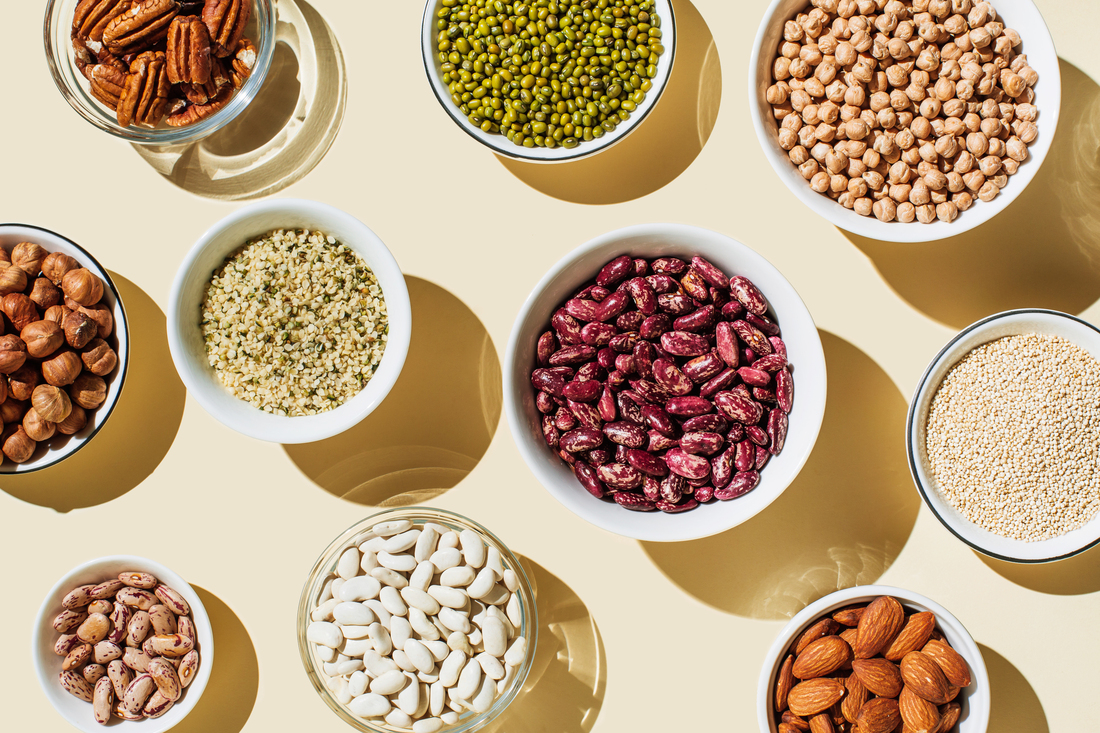
Fiber plays a crucial role in maintaining good health. It not only helps in regulating bowel movements but also aids in controlling blood sugar levels and reducing cholesterol and inflammation. Your gut microbes depend on fiber as a primary fuel source. When they break down fiber, they produce beneficial chemical messengers that impact overall health.
1. Variety is Key: Plant-Based Fiber Sources
To increase fiber intake, focus on diverse plant-based foods. This means including various fruits, vegetables, whole grains, beans, seeds, and nuts in your diet. Examples include sweet potatoes, avocados, pears, asparagus, barley, oats, lentils, and pumpkin seeds. These foods not only provide fiber but also offer essential vitamins, minerals, and phytonutrients. While supplements can help, use them sparingly and consult a doctor if necessary.
2. Upgrade Your Salads
Make simple swaps in your salads to increase fiber content. Replace iceberg lettuce with cabbage or kale. Add an artichoke or roasted Brussels sprouts for more fiber. Include chickpeas as they add around 3 grams of fiber per one-fourth cup.
3. Enhance Meals with Fiber
Incorporating fiber into meals doesn’t have to be difficult. Some foods like avocados are high in fiber; add slices to sandwiches or have guacamole with your meals. Air-popped popcorn contains nearly 6 grams of fiber in 3 cups. Sprinkle chia seeds on yogurt or add walnuts and almonds to oatmeal or salads. Cook kale in soups for added fiber.
4. Prioritize High-Fiber Foods
Refer to the U.S. Department of Agriculture’s chart for fiber-rich foods. For example, a half-cup of artichoke provides nearly 5 grams of fiber, and a cup of cooked sweet potatoes contains 6 grams.
5. Utilize the Freezer Aisle
Frozen foods can be economical fiber sources. Frozen raspberries and blackberries provide about 8 grams of fiber per cup. They last longer and are ideal for smoothies. Keep frozen artichokes and spinach handy for a nutritious topping on meals.
6. Start Slowly
Introduce fiber gradually to avoid gas and bloating. This occurs due to fiber fermentation by gut microbes. Increase fiber intake slowly, such as substituting white bread for whole grain bread gradually.
7. Monitor Fiber Sensitivity
Keep track of how high-fiber foods affect you. Reactions can vary, and awareness of these effects can help manage any discomfort. For example, some might experience discomfort after consuming certain fiber-rich foods.
8. Stay Hydrated
With increased fiber intake, ensuring adequate water consumption is important. Water helps fiber move through your system and prevents hardening, reducing gas and constipation risks.
For more insights into how fiber influences the gut microbiome and additional dietary tips, listen to the full podcast episode.