The Growing Perils of Orbital Debris
David M. Klein, a former business professor, and Britt Lundgren, a physics and astronomy professor, highlight the escalating dangers posed by space debris.
For decades, scientists have raised concerns about Kessler syndrome. This scenario could lead to continuous collisions of orbital debris, causing more fragments to scatter in low Earth orbit (LEO). Such a cascade would not only impair satellite operations but also create long-lasting hazards. The debris would reflect light, increasing global light pollution, and complicate astronomical observations even in remote areas.
Even without Kessler Syndrome occurring, space debris reflects light, potentially increasing night sky brightness by 20 percent within the next ten years.
What was once a theoretical concern is now a reality due to frequent satellite launches. Both governments and private companies are deploying numerous satellites while cleanup protocols remain inadequate and mostly voluntary. The issue extends beyond space. In 2024, debris from the International Space Station fell onto a home in Florida. Fortunately, no severe injuries occurred, but the incident revealed the existing threats of space debris to safety.
Stronger international cooperation and enforcement are essential.
The 1967 Outer Space Treaty laid down the principles for peaceful space activities. However, it lacks enforceable clauses on orbital debris and space traffic management. The United Nations Office for Outer Space Affairs should draft a modernized framework to address these issues.
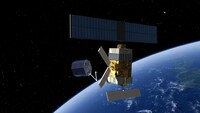
Organizations responsible for space-based infrastructure must also take accountability for its protection. An effective international enforcement framework would include obligatory satellite disposal plans and limitations on destructive anti-satellite weapons tests. Investment in debris removal technology is vital. NASA’s Active Debris Removal Vehicle, a prototype designed to remove large debris by matching their speed and rotation, exemplifies this effort.
Continuing to add vulnerable satellites into space can have dire consequences. The threats extend beyond astronauts to a global society reliant on satellite technology.
