Gracie Abrams: Navigating Fame and Music
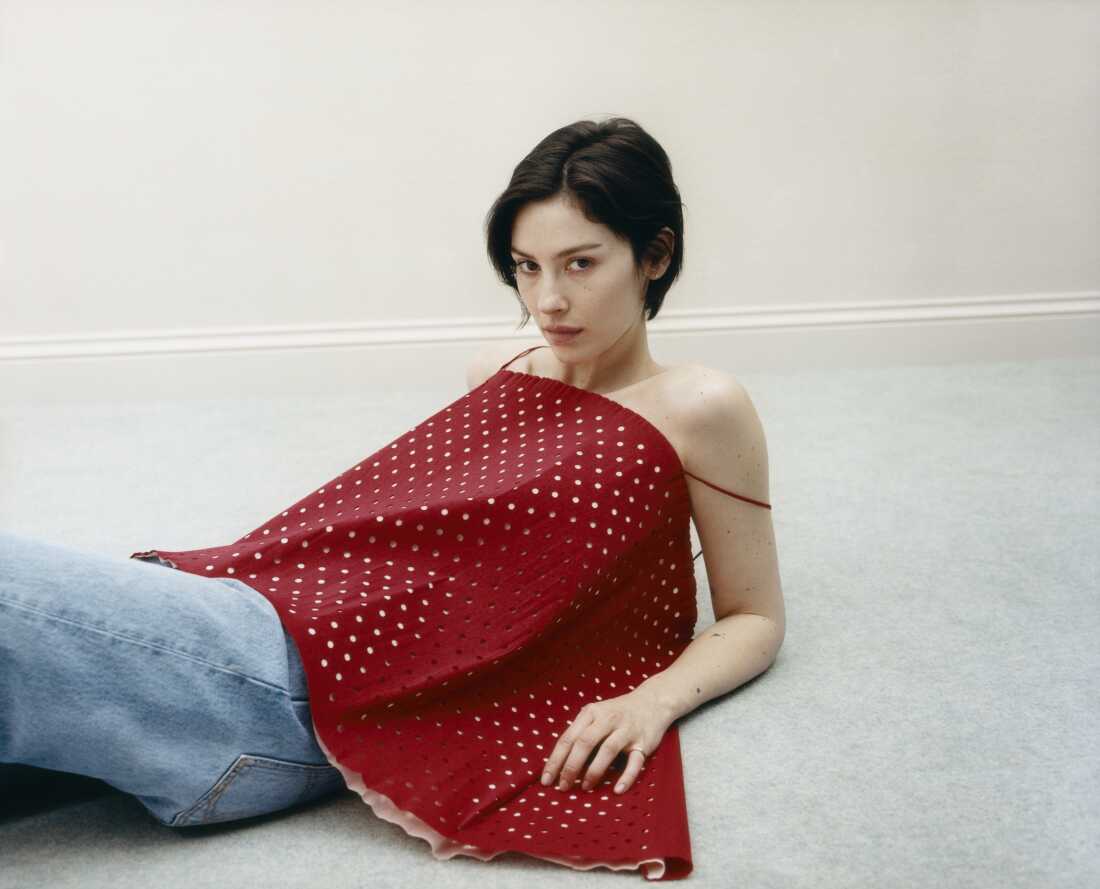
Gracie Abrams speaks to many young fans, capturing the intense and confusing journey of youth. Her third album, Daughter from Hell, is now out, showcasing her thoughts and experiences. Abrams has been featured widely, appearing on shows like The Tonight Show and The New York Times’ Popcast. She engages with fellow artist Olivia Rodrigo on Spotify and receives praise from producer Aaron Dessner on CBS Sunday Morning.
Abrams communicates not just through her words but with her expressions. Her face conveys emotions clearly; she uses her eyes, mouth, and chin to express complex feelings. Although she could excel in acting, she focuses on her music, connecting with fans through confessional songwriting. Her songs often explore personal themes like relationship struggles and heartbreak.
Critics have mixed feelings about her work. Some find her music vague and her singing irritating. She faces scrutiny for her connections as the daughter of Hollywood figures J.J. Abrams and Katie McGrath, stirring discussions about ‘nepo babies.’ This is reminiscent of past debates around singer-songwriters. Like her predecessors, Abrams faces a blend of praise and criticism, with reviews varying widely from publications like Rolling Stone and Pitchfork.
Opinions on Abrams differ, with some seeing her as both raw and overly sweet. Her writing, which often feels like stream-of-consciousness, resonates with fans who appreciate its authenticity. Her style contrasts with the crafted nature of much pop music today. Critics, such as Sarah G. Blade, defend her straightforward and relatable lyrics.
Abrams’ evolution as an artist draws parallels to Carly Simon’s early career. Like Simon, Abrams grew up with industry connections but uses her background to fuel her creativity. Both artists address their privilege through their work, exploring personal and societal themes. Abrams’ situation mirrors the music scene of Simon’s time, including partnerships and collaborations.
Abrams shows an interest in the art-making process, learning from her environment. She reflects this in her music, writing about fame and relationships while working within the industry. Her music portrays a privileged yet scrutinized perspective, with all the complexity and criticism that brings.
In terms of style, Abrams has developed unique musical expressions. She uses a blend of folk and ambient sounds to express herself, sometimes softly, sometimes boldly. Her singing is dynamic, supporting songs about performance and self-awareness. Comparisons to Taylor Swift and Phoebe Bridgers often arise, critiquing her originality but she brings a fresh take to familiar techniques.
Her collaborations, especially with Dessner, highlight her talent in combining acoustic elements with experimental sounds. Abrams is still exploring her style but shows promise. While she hasn’t yet reached the legendary status of a Carly Simon, her ambition and emotional expression suggest potential for growth and impact in the music world.