Survey Shows Rise in Shoplifting Amid Changing Economic Attitudes
Almost 12% of Americans now admit they shoplift regularly, according to recent LendingTree survey data. This percentage is nearly double that of two years ago. However, the survey indicates more complexity than a simple inflation response. Although more people confess to stealing, fewer attribute this action to financial need.
Shoplifting Trends from 2024 to 2026
In 2024, 6.1% of respondents said they regularly shoplifted. This number increased to 11.5% in 2026. The rise was particularly notable among men, increasing from 8% to 15.6%, and parents of children under 18, moving from 9.8% to 19.7%.
The findings suggest a shift in motivations. Retail theft appears to be evolving from what some view as an economic necessity to behavior influenced by broader perceptions of retailers and the economy. Kevin Thompson of 9i Capital Group told Newsweek that people feel increasingly aggrieved by corporate power.
Decline in Financial Necessity as a Motive
In 2024, 33.9% of those shoplifting cited the inability to afford items, compared to 19.1% in 2026. The share who shoplifted to make ends meet decreased from 29.5% to 17.2%. Those who did it to save dropped from 26.5% to 16.7%. Thompson emphasized that the issue goes beyond inflation, with resentment towards corporations playing a role.
Overall, 29.6% of respondents in 2026 admitted to shoplifting, up from 22.9% in 2024. The survey involved 2,000 U.S. consumers aged 18 to 80 and occurred from June 2 to 11.
Gender Disparities in Shoplifting
Men are more likely to admit to shoplifting than women. In 2026, 36.3% of male respondents reported having shoplifted, compared to 23.2% of female respondents. Men were more likely to be regular shoplifters at 15.6%, opposed to 5.5% of women.
Finance expert Michael Ryan highlighted that economic stress leads some to rationalize theft as survival.
Impact of Inflation on Shoplifting
Americans still feel inflationary pressures despite cooler rates since 2022. The U.S. Bureau of Labor Statistics showed a 2.9% inflation rate in 2024, down from 8% in 2022.
In 2026, 89.6% of respondents linked shoplifting to inflation and the economy. Despite fewer thieves citing cost as the reason, many believe inflation contributes to shoplifting overall.
Commonly Stolen Items
Food and nonalcoholic drinks topped the list of stolen goods. In 2026, 29.6% had taken these items. Clothing, accessories, and hygiene products followed. Parents admitted to stealing children’s items, with 9.6% taking baby products and 13.5% taking school supplies.
Retailers Face Challenges with Repeat Offenders
Retail theft raises operating costs and challenges businesses. Repeat offenders present a particularly tough problem. In 2026, 47.6% of shoplifters said they had been caught before, steady from 2024.
Among those caught in 2026, 27.3% were arrested, up from 24.2% in 2024. Some faced warnings, fines, or store bans, while others faced no consequences. In 2026, 60.7% of respondents supported stricter enforcement, similar to 2024’s 61.2%.
Looking Ahead
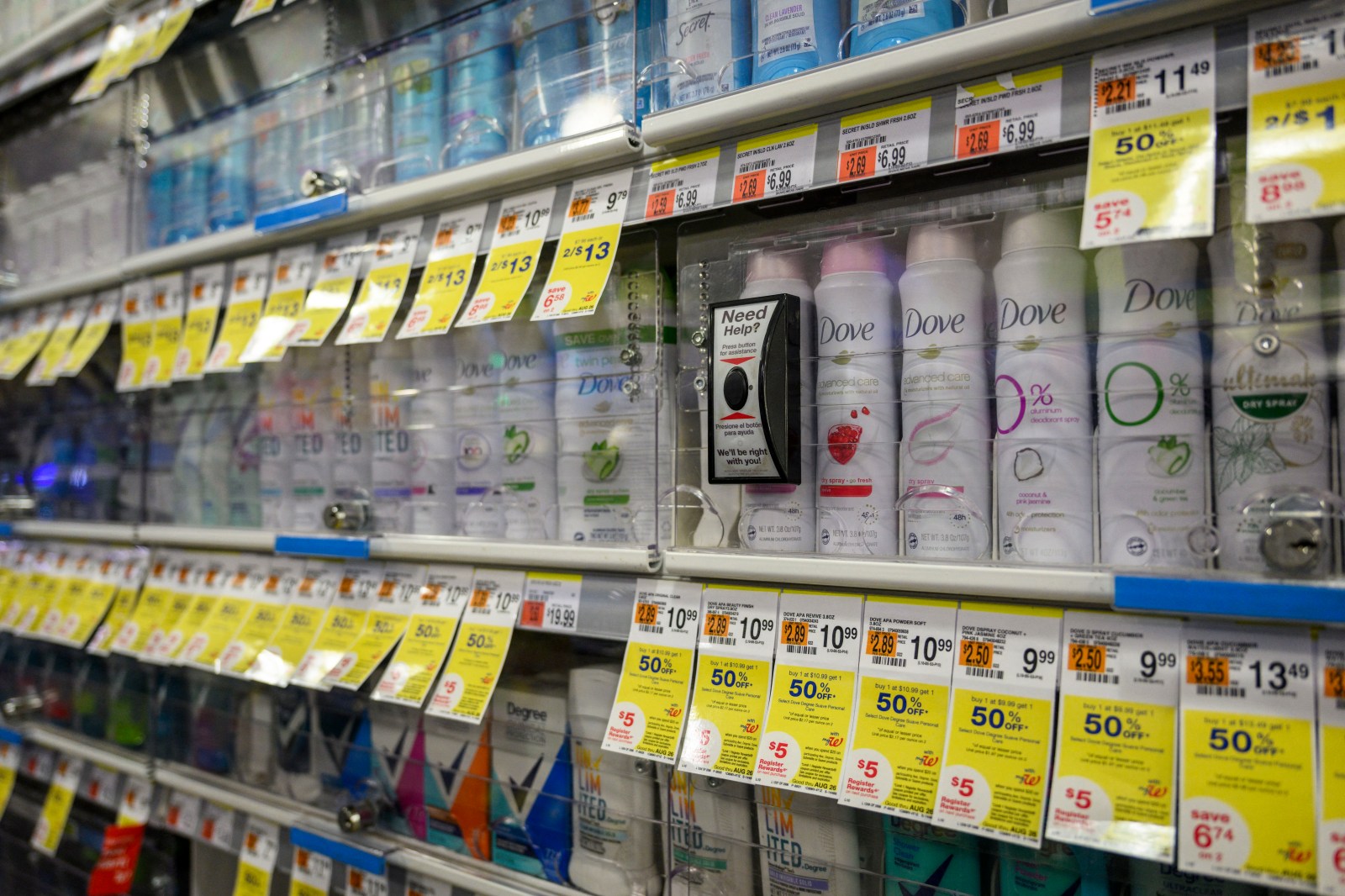
With a spike in regular shoplifters despite declining inflation, retailers will likely continue investing in anti-theft measures. For many, the issue reflects not only economic stress but shifting social attitudes toward theft.
Experts warn this impacts both shoplifters and other consumers, complicating the shopping experience with added security measures.