FDA Reviews Peptides Amid Safety Concerns
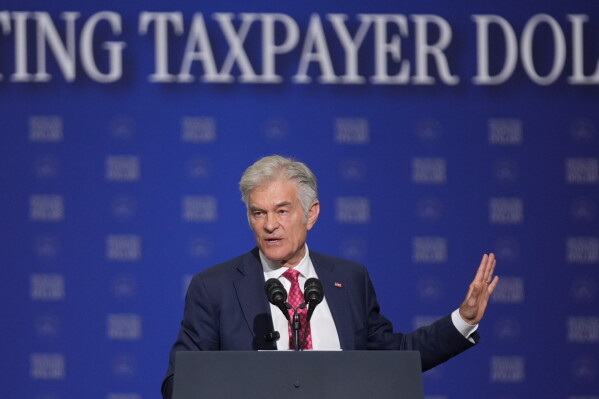
The U.S. Food and Drug Administration (FDA) is hosting a two-day meeting to review more than six peptides, which have become a trendy wellness option despite limited evidence of their safety and efficacy. This meeting has received backing from Health Secretary Robert F. Kennedy Jr., a known advocate of peptides, who has expressed intentions to remove existing industry restrictions.
Peptides have garnered support from prominent figures such as podcaster Joe Rogan and wellness influencer Gary Brecka. These individuals, along with various social media users, promote peptides as aids for muscle building, injury recovery, and anti-aging. Despite this support, the FDA anticipates a noticeable division in opinions regarding these compounds.
FDA scientists remain unconvinced about the reliability of data supporting peptides, particularly when sourced from compounding pharmacies. Compounding pharmacies produce customized medications not available from standard drug manufacturers. A number of scientific and medical experts share the FDA’s skepticism.
“This is really alarming,” expressed Rita Jew, a pharmacist and president of the Institute for Safe Medication Practices. “There aren’t that many other substances people are injecting into themselves where you see that the clinical evidence is so lacking.”
The advisory panel assembled for the meeting includes doctors and pharmacists with financial ties to the peptide industry. This has raised concerns about potential conflicts of interest, a problem faced by other expert panels under Kennedy. In response, the FDA has added several independent academic experts to the 20-member panel.
The panel will discuss whether the FDA should permit seven widely used peptides to be compounded by pharmacies. Although the panel’s decisions are advisory, the FDA can choose to disregard them. Peptides are fundamental in the formation of proteins, influencing growth, metabolism, and healing. Some drug companies have developed peptides for treating conditions like diabetes and obesity.
The FDA has previously cautioned against peptides like BPC-157 and TB-500, highlighting concerns about contamination, allergic reactions, and inadequate quality control. Studies have primarily involved animal testing, with little human data available.
While FDA scientists recommend against these peptides for compounding, advocates are pushing for increased availability. Furthermore, the meeting agenda includes a chance for the public to voice opinions, and the FDA has received over 1,900 comments highlighting perceived benefits of peptides.
Supporters, including the American Academy of Peptide Medicine, emphasize the need for regulated access to peptides. They argue this regulation could improve safety and legality compared to the current gray market.
After the meeting, the FDA will consider the discussions and public feedback before deciding on accessibility. Experts suggest a potential outcome may reassure pharmacies they won’t face penalties for compounding the peptides under review. Introducing these peptides into the FDA’s officially approved list for compounding would require drafting new regulations, a lengthy process.
Nathan Beaver, an attorney specializing in FDA issues, predicts outcomes may align with Secretary Kennedy’s preferences but acknowledges the process is ongoing.