Microplastics in Blood Linked to Severe Heart Attacks
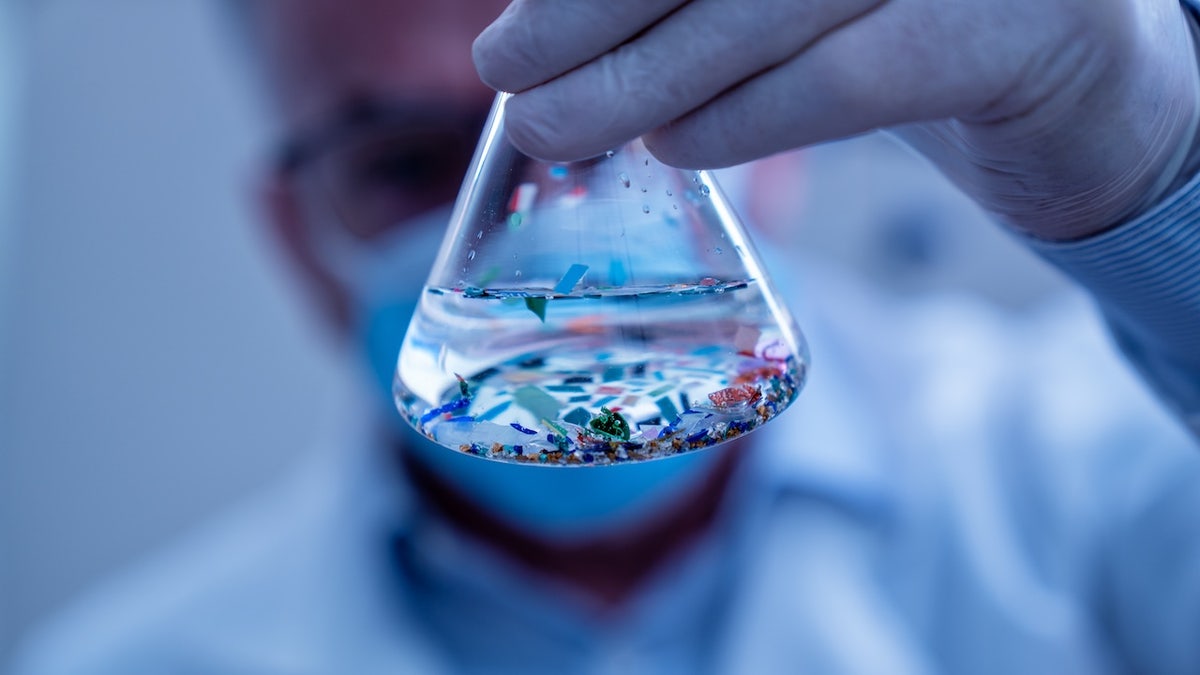
Patients suffering from severe heart attacks might have notably higher levels of micro- and nanoplastics in their bloodstream compared to those with stable heart conditions. This is the conclusion drawn from new research conducted by Italian scientists. They studied blood samples from 61 patients undergoing angiograms, which assess blood vessel irregularities.
The findings reveal that micro- and nanoplastics were detectable in nearly 84% of patients experiencing active, severe heart attacks. In contrast, plastics were found in 40% of patients with chronic heart disease and only 32% of those with healthy coronary arteries.
The research team, led by Dr. Raffaele Marfella from the University of Campania Luigi Vanvitelli, published their results in the European Heart Journal. Polyethylene, frequently used in plastic bags and bottles, was present in 97% of patients who tested positive for plastic particles. Patients with severe heart attacks were more likely to have these plastics in their blood compared to those with stable heart conditions or clear arteries.
Michelle Routhenstein, a preventive cardiology dietitian, commented on the findings, stating that they should be viewed within the wider context of environmental health risks. While intriguing, the results do not prove that plastic causes heart attacks. Prior research has indicated the presence of microplastics in arterial plaque, yet several limitations exist in this study.
A history of smoking was found to be the strongest predictor of detectable plastic particles in the blood. This study was observational, indicating an association but not causation. The research involved a small group of individuals from one country, which limits the generalizability of the findings.
Health and environmental factors could further complicate the data. Smoking and air pollution are linked to cardiovascular disease and higher exposure to plastics, complicating the isolation of microplastic effects.
To reduce potential risks, experts suggest practical ways to minimize daily microplastic exposure. Consider replacing plastic food storage containers with glass alternatives. Using glass or ceramic instead of plastic for microwaving or reheating food can help lower exposure to microplastics.
Reducing exposure to plastics should be part of an overall heart-healthy lifestyle. Limit plastic water bottles and single-use containers, particularly when heated.
Khloe Quill, who covers health, lifestyle, and other topics, contributed to the article for Fox News Digital.