Tensions Rise Over SAVE Act as White House Pressures Senate Republicans
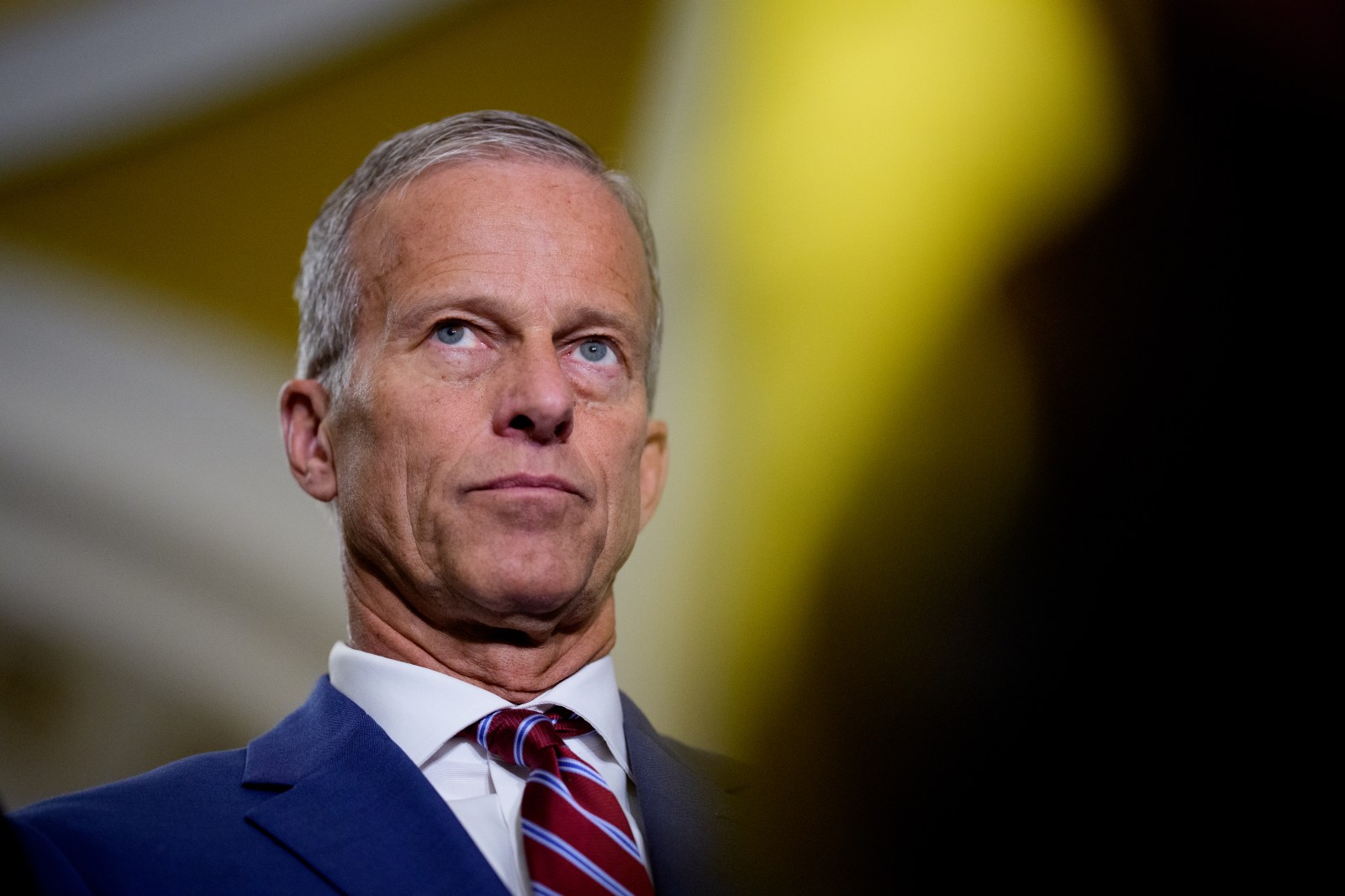
Senate Majority Leader John Thune responded firmly after remarks from White House press secretary Karoline Leavitt regarding President Donald Trump’s dwindling patience with Senate Republicans over the stalled SAVE Act. The South Dakota Republican suggested that the White House should focus on garnering votes, highlighting the Senate’s requisite count of 50.
The disagreement illuminated increasing friction between Senate Republican leadership and the White House, as Trump intensifies efforts to push his key election priority before the August recess.
White House Expresses Frustration
During a White House briefing, Leavitt stated that Trump was frustrated with the lack of progress on the legislation, emphasizing the need for swift action to enact the SAVE (Safeguard American Voter Eligibility) Act. She insisted that the proposal had public support, underscoring Trump’s dedication to the legislation following his address in Georgia.
Thune’s Direct Reply
Thune expressed irritation over the criticism directed at Senate Republicans, arguing that Democrats were the primary obstacle in advancing the legislation. His statement reflected the complex position he holds, balancing demands from Trump and conservative allies against the Senate’s procedural challenges.
Trump’s Continued Push for Legislation
Trump has persistently urged the passage of the SAVE Act, advocating it would strengthen election integrity by requiring proof of citizenship for voter registration. Despite his efforts, the measure’s impact on upcoming elections remains a subject of debate.
Challenges Within the Senate
The SAVE Act mandates proof of U.S. citizenship for federal voter registration and establishes nationwide voter ID requirements. With most legislation needing 60 votes to overcome filibusters, the deeply partisan Senate poses significant hurdles. Republicans would require Democratic support or a shift in Senate rules to proceed.
GOP Divisions
The bill faces resistance from Democrats and some Republican senators. Notably, Republican Senators Lisa Murkowski, Susan Collins, Mitch McConnell, and Thom Tillis have opposed efforts to attach the legislation to other bills. Murkowski has voiced concern that the bill could impose financial barriers for voters in remote areas, citing potential high costs.
Murkowski’s warnings highlight the logistical challenges and potential voter disenfranchisement the bill could cause, creating significant debate within the GOP regarding its implementation and timing.
Potential Changes Introduced by the SAVE Act
The proposed SAVE Act seeks to reform federal voter registration by requiring documentary proof of U.S. citizenship. It includes voter ID demands and limitations on certain mail voting methods. Advocates argue these measures are crucial for election security, but critics argue they could hinder eligible voter participation.
Concerns Over Voter Accessibility
Opponents point out that noncitizen voting is rare and argue that the new documentary requirements could bar millions from registering to vote. Research indicates over 21 million voting-age U.S. citizens lack immediate access to such documents.
Mounting Pressure on Thune
The White House is not the sole entity pressing Senate Republicans. Conservative groups and some House Republicans have also insisted on Senate action. Public criticisms and intra-party tensions have mounted, with claims that Senate leadership, not the House, is now the main hindrance to legislative advancement.
Some Republicans, like Senator John Cornyn, have pushed back, dismissing the notion that Thune can simply marshal the votes needed. They argue that overcoming the procedural challenges in the Senate is not straightforward.
Uncertain Future of the SAVE Act
The SAVE Act remains a focal point for Trump, yet its path to passage remains unclear. The White House is likely to sustain pressure on senators, aiming for progress before the recess. The recent public disputes emphasize the difficulty Senate leaders face in garnering the necessary support, despite Trump’s persistent advocacy.