U.S. Expands Visa Restrictions for Cybercrime Involvement
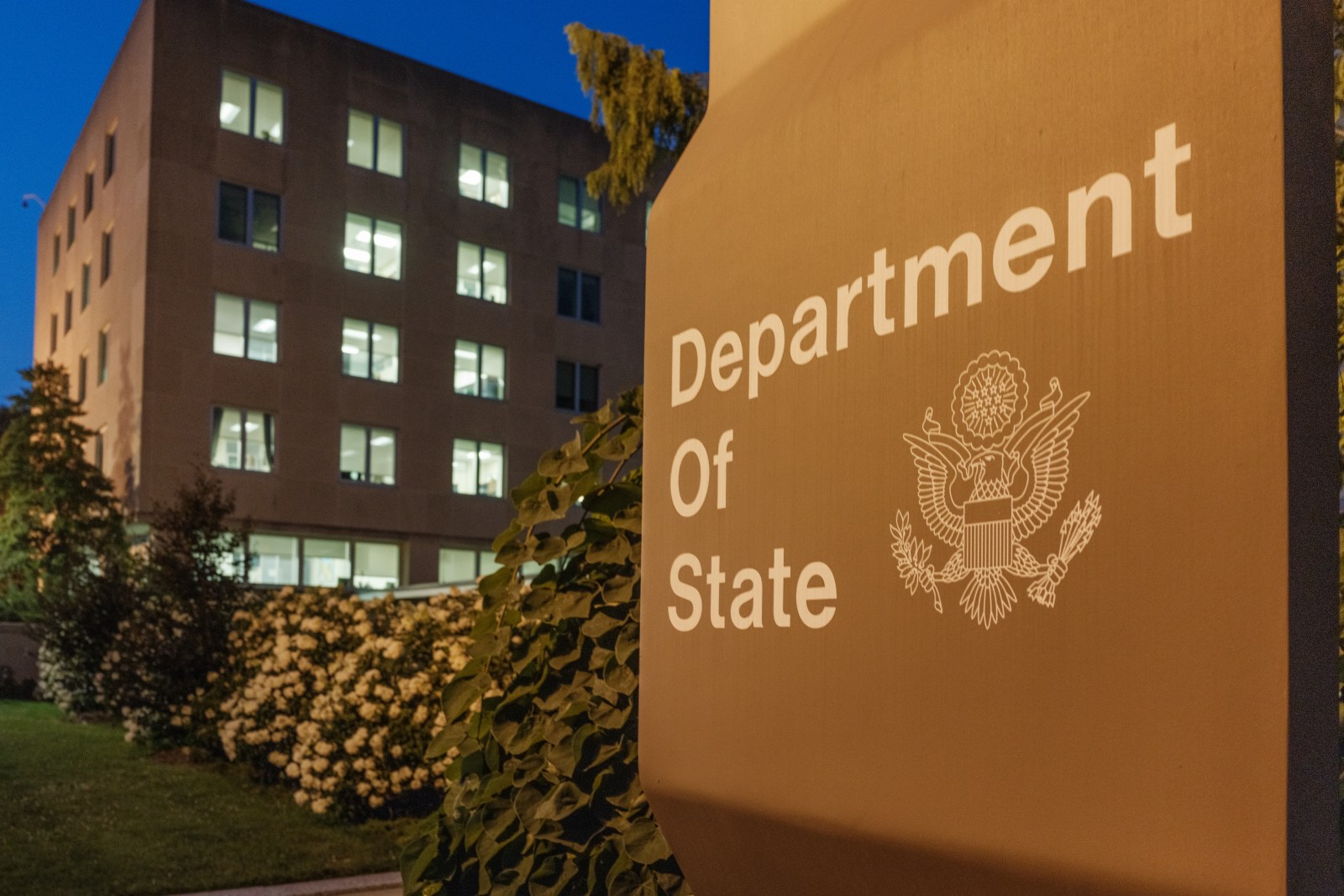
The U.S. State Department announced on Thursday expanded visa restrictions targeting individuals linked to cybercrime and sextortion activities. This policy aims to deny these individuals, and at times their relatives, entry into the country. The announcement emphasized investment scams allegedly connected to Chinese transnational criminal groups.
This move is part of the Trump administration’s broader efforts to limit entry to those posing potential harm to American citizens. Over the past 18 months, several changes to immigration policies have increased scrutiny and restrictions on visa applicants. The department stated, “This policy targets individuals responsible for, or complicit in, cybercrime and cyber-enabled crime, such as those involved in cyberscams and sextortion. Immediate family members of individuals engaged in such illicit activities may also be subjected to visa restrictions.”
Wider Visa Vetting Efforts
The State Department’s new policy is part of a trend to use visa access as both punishment and prevention against those enabling non-traditional immigration threats. Visa restrictions have been used this year against individuals accused of supporting political violence, undermining regional stability, and maintaining ties to cartel networks. These actions have often included restrictions on family members, consistent with the new cybercrime policy.
This policy aligns with broader measures to strengthen visa systems. The State Department has increased online-presence checks for student and exchange visitor applicants, viewing each visa decision as a national-security issue. Additionally, visa bonds have been heightened for certain business and tourist applicants from countries with notable overstay risks.
Are Cybercriminals Obtaining Visas?
Public records indicate that cybercrime frequently crosses borders, with foreign suspects often brought into U.S. courts. However, there is no publicized count of cybercriminals who secure U.S. visas. Department of Justice reports list foreign nationals extradited for cyber-fraud and extortion, as well as arrests at U.S. entry points related to cryptocurrency scams. Nonetheless, these records typically do not detail whether those arrested held valid visas.
The State Department reports thousands attempt to fraudulently obtain U.S. visas each year—either to commit crimes or escape prosecution—but does not provide a cybercrime-specific breakdown.
Washington’s China Concerns
The visa restrictions reflect rising apprehensions in Washington regarding China’s cyber threats. U.S. intelligence and law enforcement identify China as a sophisticated and ongoing cyber threat. The Cybersecurity and Infrastructure Security Agency (CISA) notes Chinese government-linked efforts targeting critical sectors, going beyond espionage to potentially disrupting essential services.
Particularly notable are cyber campaigns labeled “Salt Typhoon” and “Volt Typhoon.” U.S. agencies, including CISA, FBI, and NSA, report that these campaigns involve long-term access to telecommunications and other infrastructure, permitting intelligence collection and posing future disruption risks.
The FBI previously accused “Salt Typhoon” actors of compromising telecommunications and conducting significant espionage affecting communications infrastructure. In recent advisories, it was noted that Chinese-affiliated groups targeted global telecom networks, urging stronger defense against enduring infiltrations.