Trump’s Tariff Policies: A Detailed Overview Post-Supreme Court Ruling
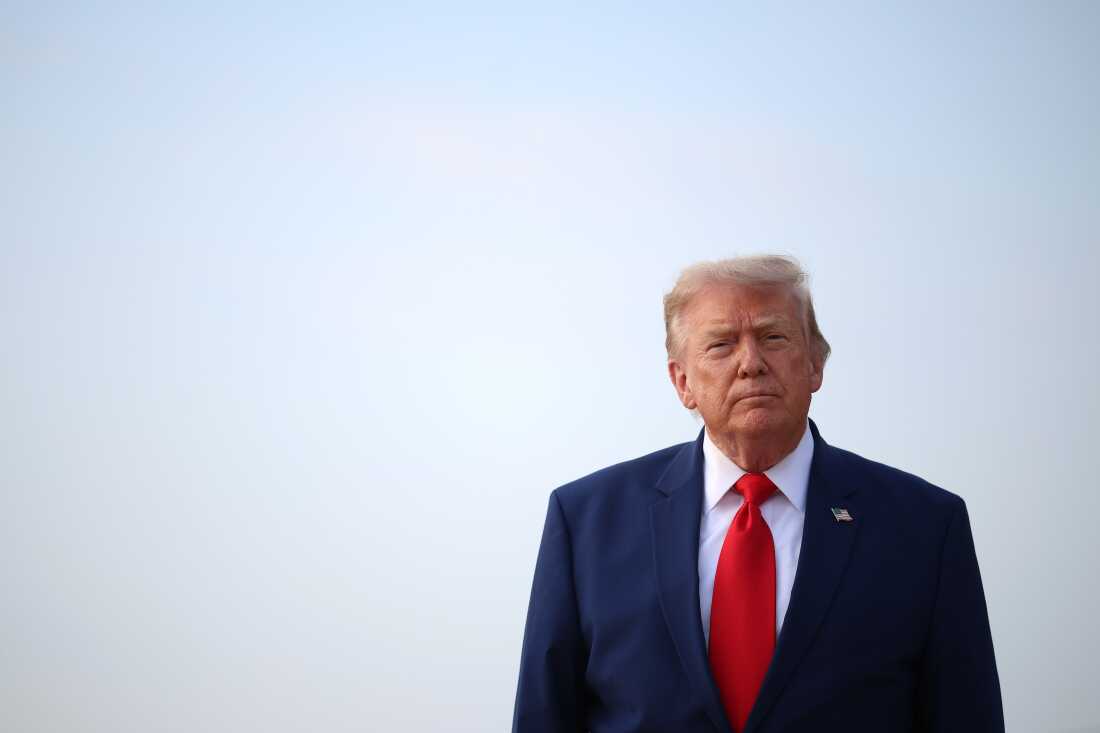
On July 22, 2026, as President Donald Trump disembarked from Air Force One at Joint Base Andrews, rage simmered beneath the surface. The Supreme Court had just invalidated a substantial portion of his tariff strategy. Despite this setback, Trump publicly maintained his determination to press forward with alternative measures.
At a White House briefing on February 20, President Trump commented, “Other alternatives will now be used to replace the ones that the court incorrectly rejected. We have alternatives, great alternatives.” These alternatives referred to various legal options the administration planned to utilize following the Supreme Court’s rejection of the tariffs under the International Emergency Economic Powers Act (IEEPA) of 1977.
Since then, the Trump administration has exhibited a clear intent to enforce these new laws. This week saw the administration implement several new tariffs, replace a global tariff, and introduce fees on Canadian imports. There were also threats of future tariffs on pharmaceuticals.
Global Tariff Transition
On Friday at 12:01 AM, a global 10 percent tariff established post-Supreme Court decision expired. These tariffs were initially imposed to tackle specific economic issues temporarily. Simultaneously, the administration introduced new tariffs on the U.S.’s largest trading partners.
The newly enacted tariffs, varying between 10 and 12.5 percent, target goods from the 60 biggest trading partners of the U.S., covering 59 countries and the European Union. While exempting goods like energy and certain foods, these tariffs aim to penalize countries using forced labor in production. According to the U.S. Trade Representative, these countries account for over 99% of U.S. imports.
A senior administration official mentioned that the timing was deliberate to simplify processes for businesses dealing with tariffs. While handling complexity was one motivation, the administration emphasized its commitment to eradicating forced labor.
Criticism and Defense
Despite the administration’s stance, several critics question the sincerity behind these measures. In a hearing, Senator Ron Wyden, D-Oregon, accused Trump’s administration of misrepresenting its tariff strategy.
“Trump’s next trade scheme is ordering USTR to reconstruct his illegal global tariffs under the guise of addressing forced labor,” said Wyden, implicating ulterior motives behind these actions.
Alternative Legal Pathways
The IEEPA provided a swift means for Trump to impose tariffs, but alternative routes demand more time. These recently implemented forced-labor tariffs followed months of investigation. Concurrently, tariffs on products like aluminum, lumber, and semiconductors are undergoing similar scrutiny.
Notably, Trump swiftly imposed new 50% tariffs on select Canadian products, set to begin within a month, employing a previously unused 1930 law.
While these new legal justifications emerge, Trump’s traditional approach to tariffs remains intact. Instances include unsettled threats of tariffs against nations like Canada and Spain.
The president’s willingness to act unpredictably extends to proposed pharmaceutical tariffs, planned for two years’ hence, offering ample time for change in circumstances or presidential decisions.
Complex Import Landscape
These evolving tariffs involve diverse legislative codes, creating complex challenges for importers. Kathleen Claussen, a Georgetown trade law professor, observed an intricate tariff landscape developing.
“It has created a much more complex landscape with all of the three-digits going at once and having to figure out: do they add, how does one fit with the other, what are the exceptions?”
Future Implications
Further tariffs may be imminent, with current investigations into more countries and the EU’s manufacturing conduct. As these tariffs emerge, polls indicate widespread disapproval among Americans.
Despite political sentiment, Trump holds a consistent affinity for tariffs, describing them as his “favorite word” in campaign speeches. His critique of free trade deals like NAFTA aligns with populist sentiment that fueled his 2016 election.
The administration argues that these tariffs will ultimately benefit the U.S. economy by enhancing manufacturing. However, any promised manufacturing renaissance remains unrealized with employment levels lagging.
“The problems the president’s trade policy seeks to solve are generational,” explained US Trade Ambassador Jamieson Greer. “These things were not broken in the day, and they won’t be fixed overnight. But they must be fixed.”
As Trump seeks voter support for these policies, he weighs immediate unpopularity against future economic prospects.