U.S. Imposes New Tariffs on Trade Partners Citing Forced Labor Concerns
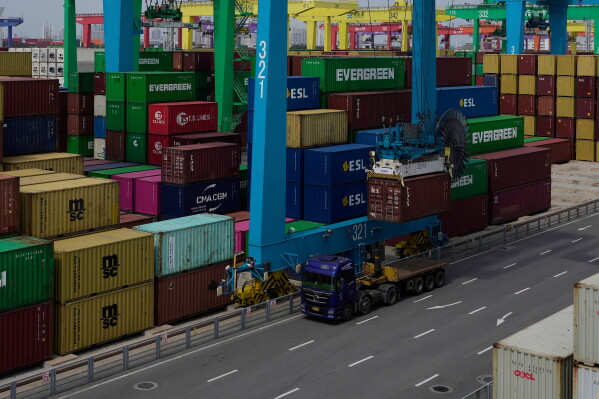
The United States announced new tariffs ranging from 10% to 12.5% on imports from 60 countries, effective as prior temporary tariffs expire. This decision targets nations accused of insufficient enforcement against forced labor practices, marking a significant trade shift under President Trump’s administration.
U.S. Trade Representative Jamieson Greer emphasized the longstanding American ban on forced labor imports and urged global partners to adhere to similar standards. With the expiration of worldwide temporary 10% tariffs, Trump opted for longer-lasting duties under Section 301 of the Trade Act of 1974, allowing tariffs on nations engaging in ‘unjustifiable’ trade practices. This approach previously imposed significant tariffs on China during Trump’s first term, surviving judicial challenges.
Possible additional tariffs may target 16 countries, representing 70% of U.S. imports, pending an ongoing investigation into excessive production affecting competitive pricing for American businesses. Initiated under the International Emergency Economic Powers Act of 1977, earlier tariffs ended following a Supreme Court ruling, which led to refunds for importers. The shift to a 10% tariff under Section 122 of the Trade Act of 1974 faced time limitations, prompting the latest measures.
Originally proposed last month, forced labor tariffs saw reductions for countries improving enforcement, such as India’s rate decreasing to 10%. Exemptions exist for certain goods, including products covered under the renewed U.S.-Mexico-Canada Agreement.
However, the move met immediate criticism. Representative Richard Neal questioned the sincerity of forced labor justifications, labeling them a pretext for policy based on questionable grievances. Brazil decried the action as ‘arbitrary and unjustified,’ preparing to invoke retaliatory tariffs under its reciprocity laws, accusing the U.S. of manipulating human rights issues for trade advantages.
Human rights analysts note skepticism but acknowledge tariffs could impact forced labor issues. Martina Vandenberg, founder of The Human Trafficking Legal Center, supports import bans as a tool against forced labor but warns they may not suffice alone. Vandenberg advocated for a gradual tariff implementation, allowing countries to build effective import prohibition mechanisms.
Canada’s Trade Minister Dominic LeBlanc expressed no surprise, committing to work with the U.S. for a shared goal of eliminating goods produced under forced labor from supply chains. Legal perspectives, like that of Kenya Davis from Boies Schiller Flexner, point to past U.S. legislation as significant steps in addressing forced labor, sparking greater awareness.
Isabelle Glimcher from NYU Stern Center highlights a shortcoming of tariffs focusing on import-based enforcement, rather than addressing internal production. Yet, she noted the threat of impending tariffs prompted countries, including India, to align foreign trade policies against forced labor, indicating international response to U.S. policies.