Concerns Over Federal Response to Cyclospora Outbreak
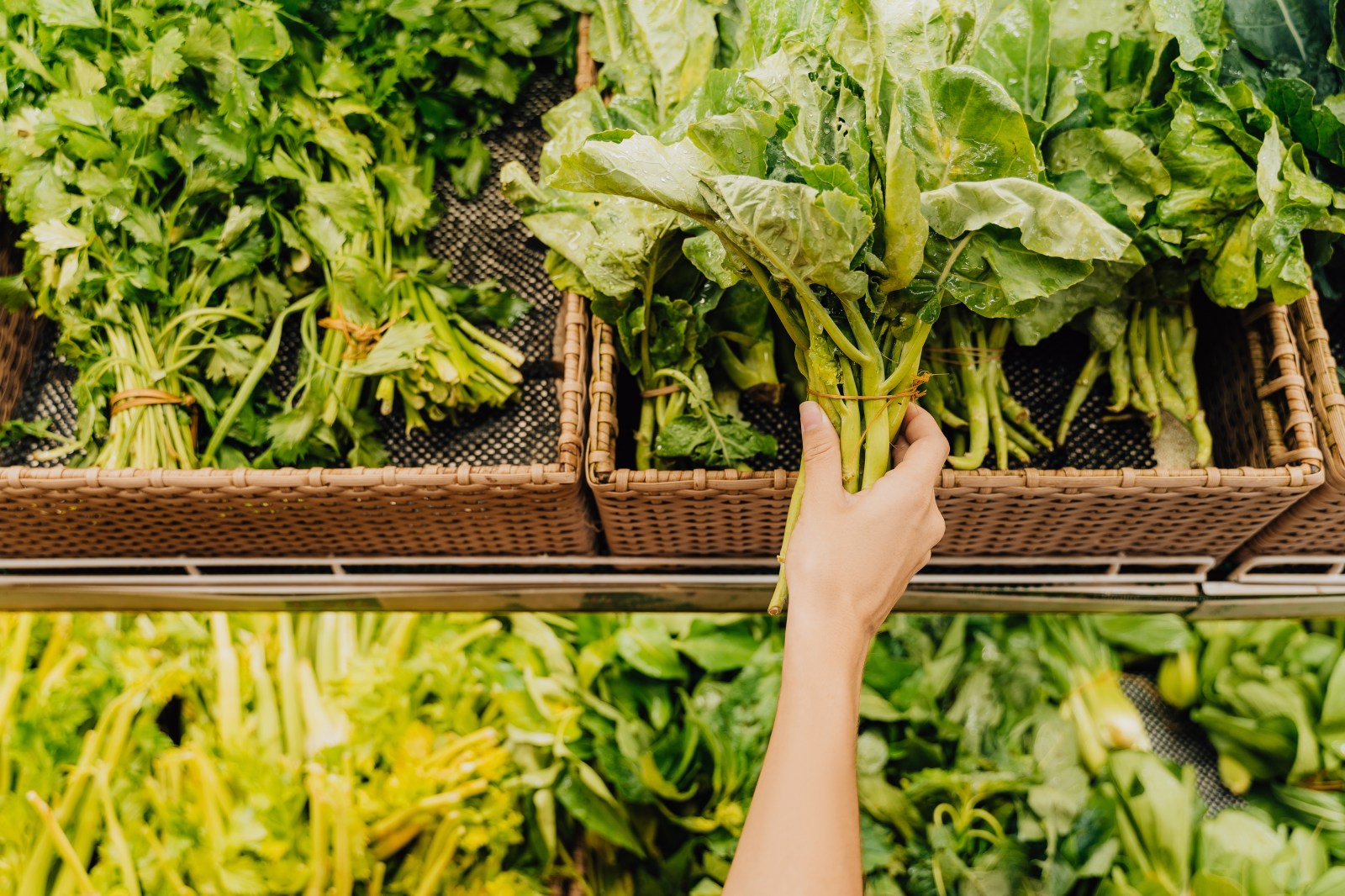
Frank Yiannas, a former high-ranking Food and Drug Administration (FDA) official, has expressed alarm over the federal handling of a national cyclospora outbreak. Having served under Presidents Trump and Biden, Yiannas described the response as nearing a ‘catastrophic level’ due to rising infections nationwide. In an interview with Politico, he called for an independent evaluation of the government’s crisis management, citing a surge in illnesses, public confusion, and inadequate federal coordination.
Yiannas emphasized the need for assessing system strengths rather than blaming specific agencies. His comments followed the FDA’s own issues, like wrongly announcing cyclospora found in Taylor Farms’ lettuce, later deemed a false positive. Yiannas stressed transparency in understanding errors and preventing future mishaps.
“They just went too fast and they made a mistake. They should share more about how and why it happened and what they’ll do to prevent it in the future.” – Frank Yiannas
The cyclospora outbreak remains significant, with the Centers for Disease Control and Prevention (CDC) linking nearly 1,947 cases to Taylor Farms shredded iceberg lettuce. Overall, the CDC has reported 4,173 laboratory-confirmed cases and over 7,400 presumed cases nationwide. Hospitalizations number 308, with no reported deaths, though states like Michigan report higher totals due to differing tracking methods.
Former President Donald Trump publicly addressed the outbreak for the first time after being questioned during a Fox News interview. Meanwhile, Health and Human Services (HHS) Secretary Robert F. Kennedy Jr. assured that the outbreak was ‘under control.’
Questions about surveillance have arisen, especially after FoodNet, a program under the CDC and FDA, made cyclospora reporting optional in 2025. Experts have mixed views on whether this impacted the outbreak, but some see reduced surveillance as a challenge to handling foodborne illnesses.
A Look Back at Major Cyclospora Outbreaks
The cyclospora parasite was not widely identified in North America until a notable outbreak in the 1990s connected to Guatemalan raspberries. This event, with 1,465 confirmed cases, led to significant changes in how such outbreaks are tracked and managed. In 2013, cyclospora sickened many across the U.S., linked to both Mexican salad mix and cilantro.
Other major outbreaks include incidents linked to fast food salads and imported basil, with the 2018 incident involving McDonald’s salads causing 2,299 cases. In 2019, basil from Mexico was blamed for 2,408 cases, marking it the largest on record in the U.S.
Understanding Cyclospora
Cyclospora, a microscopic parasite, causes cyclosporiasis, an intestinal illness affecting those consuming contaminated food or water. Symptoms can include severe diarrhea, stomach cramps, nausea, and weight loss, often not appearing until a week post-exposure. The illness can persist for weeks or months without treatment, which is typically with the antibiotic Bactrim.
Unlike other pathogens, cyclospora does not spread directly from person to person, complicating outbreak tracing. Public health advisories often include suggestions to peel or cook at-risk produce to minimize infection risk, as washing alone may not guarantee safety.
Lettuce Recall and Safety Measures
The outbreak links mainly to shredded iceberg lettuce from Taylor Farms, served at Taco Bell in nine states. A recall issued on July 17 urges consumers to discard or return affected products. However, not all lettuce or fresh produce is unsafe, and following specific guidelines can mitigate risks. Foods with peels or those cooked are less likely to harbor cyclospora.
Consumers are advised to adhere to FDA notices, wash proper produce, and seek medical help if experiencing symptoms after eating raw produce.
Taylor Farms’ Response
Taylor Farms stated food safety is a top priority and declared no products have tested positive for cyclospora. The company removed potentially affected items and initiated an independent review of safety practices, temporarily halting operations in Mexico.
As of July 24, 2026, no positive results for cyclospora were reported from their products, reinforcing confidence in their safety initiatives. They pledged transparency as investigations continue.