Global Trends in Health and Longevity
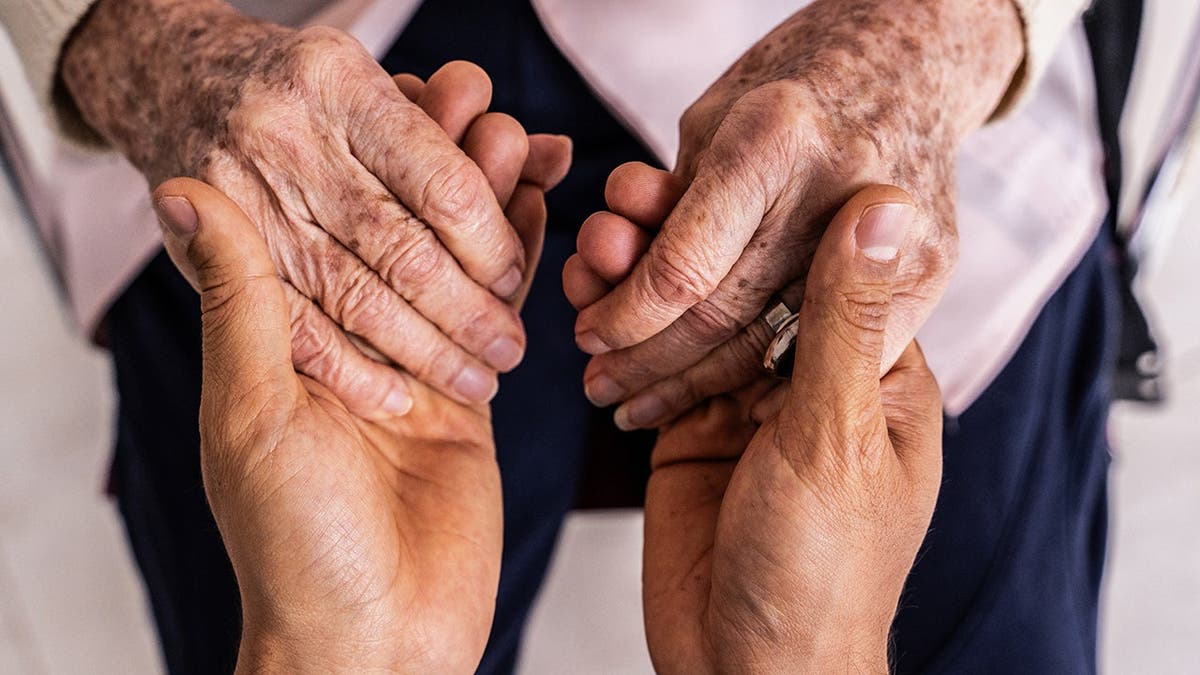
People worldwide are living longer, but this increase in lifespan often comes with more years of ill health. Recent research highlights the widening ‘morbidity gap,’ or the period spent in poor health, across 203 out of 204 countries studied, notably in America.
Findings from the Study
A study conducted by the Institute for Health Metrics and Evaluation at the University of Washington reports that globally in 2023, 14.5% of life was spent in poor health, a rise from 13.6% in 1990. In the U.S., the morbidity gap is about 14 years, making up 17.8% of the expected lifespan.
Between 1990 and 2023, life expectancy at birth increased from 64.6 years to 73.8 years. However, healthy life expectancy saw a smaller rise from 55.9 years to 63.1 years. This disparity shows that gains in survival outpaced healthy life years, leading to more years with chronic conditions and disabilities.
The gap widened especially in wealthier countries where life-extending resources are available, showing a notable trend even among women who live longer yet face more years of poor health.
Dr. Antony Chu’s Insights
Dr. Antony Chu, clinical assistant professor at Brown University, highlighted the significant advancement in modern medicine in reducing mortality from serious diseases but noted many additional years are lived under chronic health issues.
Research analyzed data from 204 countries from 1990 to 2023, finding musculoskeletal issues, mental disorders, and other conditions accounted for 57% of years lived in poor health. They also noted that high glucose levels, obesity, and aging populations contribute significantly.
Implications for Health and Aging
According to Dr. Christopher Murray of the Institute for Health Metrics and Evaluation, future health improvements should focus on both living longer and healthier. Investments in prevention, long-term management, and chronic care aim to shorten years lived in poor health.
Dr. Chu emphasized that the focus should be on maintaining physical, cognitive, and social well-being, not just prolonging life. This includes regular assessments of mobility, strength, balance, hearing, and cognition, alongside monitoring traditional health markers like blood pressure and glucose.
Importance of Physical and Mental Health
Functional decline can start years before visible disabilities, signaling a window for earlier intervention. Dr. Chu stressed the importance of musculoskeletal health as a core part of preventive medicine and noted that social connections are crucial to health span. Addressing early signs of hearing loss, depression, and anxiety can improve longevity and independence.
Dr. Chu also pointed out the cultural dimension of aging, highlighting how in many societies, older adults play integral roles in family and community life, contributing to a sense of purpose.
Conclusion
Healthy aging involves more than biological factors; it is shaped by community and human connections. The American approach to aging could benefit from integrating these cultural elements to enhance life quality.
Teresa Mull, a freelance writer, contributed to this article for Fox News Digital.