Examining Social Media’s Influence on Gen Z Mental Health
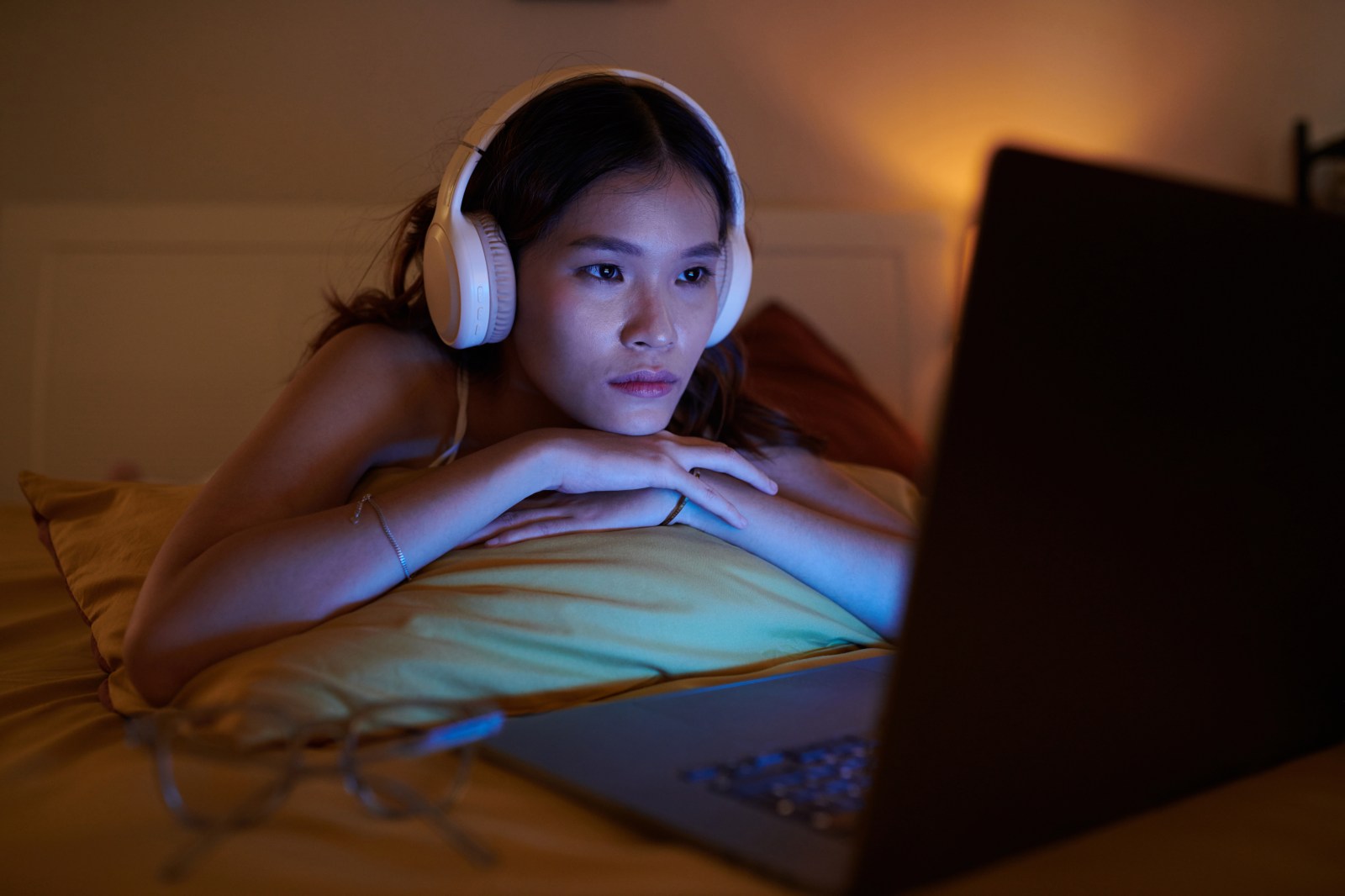
Distressing and Celebratory Content Impact on Gen Z
Generation Z, born between 1997 and 2012, faces unique challenges in mental health due to their continuous exposure to content through social media platforms. As smartphones have become an integral part of daily life, young adults encounter both distressing and celebratory content with unmatched frequency.
While dark content such as images surrounding warzones, injustice, and suffering appear on their screens, Gen Z also regularly sees highlights and peak moments from people’s lives online. Experts are increasingly studying the effects of this mix on mental health. Recent investigations show poorer mental health among Gen Z partly due to social comparisons rising from constant connectivity through platforms like TikTok, LinkedIn, YouTube, and Instagram.
The ‘Success Olympics’ Phenomenon
This generation’s daily exposure to others’ wins and achievements—whether from peers, celebrities, athletes, or influencers—unfolds as what’s been dubbed the ‘Success Olympics’. These platforms have normalized tracking the highs of those they might barely know, along with the perceived prosperity of public figures.
Data from 2024 highlights this concern. A survey revealed 60% of Gen Zers spend over four hours daily on social media, and 22% surpass seven hours. Beyond the digital realm, luxury brands like Chanel and Dior have penetrated middle-class markets—a shift that translates into societal pressures to keep up with branded living.
Psychological experts note this visibility contributes to a mental landscape where younger generations feel others excel while they tread inadequately. Ashwini Nadkarni from Harvard Medical School highlights the intensified exposure leading to self-appraisal behaviors tied to social comparison.
Prudence Leung, a psychotherapist, acknowledges the blending of different social statuses experienced by Gen Z. She points out how seeing celebrities and classmates within the same social feed can escalate stress levels, with one in three reporting high anxiety due to these perfect life portrayals online.
The Reality of Mental Health Scores
Recent studies shed light on worsening mental health statistics among Gen Z. A poll by Blue Shield’s BlueSky initiative in 2025 noted that 94% of surveyed Gen Zers face monthly mental health challenges. Concurrently, Deloitte findings reveal 40% deal with frequent stress or anxiety.
Gallup data indicates a 14-point drop in excellent mental health scores for Gen Z since 2019. The Walton Family Foundation found only 45% of this generation consider themselves thriving—a stark contrast compared to older groups.
Moreover, 89% of Gen Z participants in Cybersmile Foundation’s 2020 study admitted to daily online comparisons. Jennifer Lancaster, a trauma therapist, describes the relentless cycle of measuring one’s life against others’ highlight reels without recognizing the challenge of comparing ordinary moments to curated successes.
The profound psychological implications are concerning. Chronic comparison triggers a low-grade threat response within the nervous system, prompting constant scanning and evaluation instead of maintaining present-moment focus. Effective strategies should thus bypass cognitive engagement and involve somatic practices for bodily awareness. Techniques such as EMDR aim to unravel deep-seated beliefs that existed before social media’s emergence.