Conflict in Yaroun, Lebanon: The Impact of Israeli Airstrikes
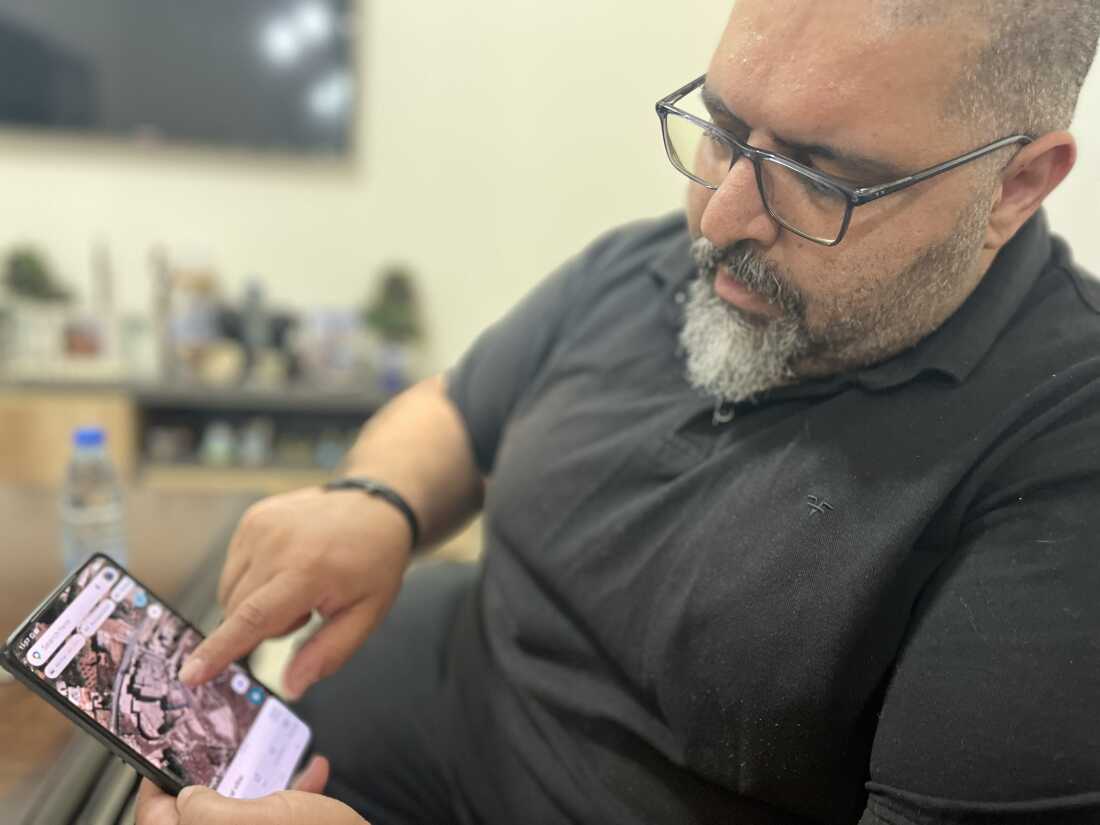
BEIRUT, Lebanon — Satellite images on Mazen Farah’s phone reveal the destruction in Yaroun, a village in southern Lebanon. Residents say the images show the Christian section devastated, including a stone house built by Farah’s father after many years working in the Gulf. An image shows a convent destroyed, but Israel denied striking it, citing evidence of a different building as the convent.
After airstrikes and displacement by Israel in a conflict with Hezbollah, hundreds of thousands were displaced from over 100 villages. Despite a ceasefire, Israel continued demolitions, claiming the destruction of Hezbollah infrastructure without offering proof. Defense Minister Israel Katz expressed intentions to depopulate Lebanese border villages to create a buffer zone for northern Israel.
Yaroun’s residents are unable to return and rely on satellite images to assess the damage. They pool resources to purchase commercial satellite images to check if their homes remain. Each image costs $112 but is often unavailable. In April, some providers declined to offer images at the U.S. government’s request.
Geryes Saloum, a municipal employee, built a home in Yaroun 10 years ago. Now surrounded by ruins, he anxiously awaits updates. The U.N. and aid groups previously restored utilities after an earlier ceasefire, but renewed conflicts brought ruin again.
They have erased it
Mayor Hafez Ghacham reported that 180 of about 200 houses in Yaroun have been destroyed since March. Israeli military response to NPR inquiries about Yaroun’s destruction was not provided. The conflict with Hezbollah began in October 2023 after Hamas attacks from Gaza initiated warfare. Subsequent Israeli airstrikes devastated Yaroun’s infrastructure.
All cultural landmarks, including churches, mosques, and the convent, have been destroyed, says Riad al-Ridha, another official. A church left standing has become a temporary prayer site for displaced villagers who no longer have access.
In May, Israel demolished a convent and a school serving both Christians and Muslims. The destruction, refuted by the Israeli military, contrasts with evidence from satellite images and videos.
Yaroun lies in the Galilee region where Jesus is believed to have lived. Before destruction, it boasted picturesque homes among citrus and olive trees and an oak forest. Traditional stone houses, both modest and palatial, once constituted a beautiful landscape now devastated.
A village scattered across the world
South Lebanon saw Israeli occupation from 1982 to 2000. During this time, many men emigrated to avoid serving in the South Lebanon Army. They settled in countries like the U.S., Canada, and Australia, maintaining bonds with Yaroun by vacationing and investing in homes there.
Mazen Farah mounted a photo of his family home on a stone plaque for his father, Hanna, who missed Yaroun dearly. The garden’s roses, lemon, and olive trees were razed, as were religious statues.
Villagers deny using homes for Hezbollah activities. Farah had security cameras and denies any proof of such claims. He challenges accusations against his home and defends against claims of weapon storage.
Many in Yaroun hold American citizenship. Hanna from New York, shares home ownership tales shredded by conflict. Satellite images confirmed destruction and left residents devastated.
There is nothing there — just rubble
American citizens owning property in Yaroun see it destroyed, stirring bitterness. U.S. financial aid to Israel averages $3.8 billion annually.
Families like that of Hanna’s brother, Nehmi, saw their saved investments in homes disintegrate. Video evidence and satellite images highlight loss and heartache over demolished dreams.
For Qasem Fares, a successful businessman from Panama, his costly and elaborate home in Bint Jbeil met a similar fate. Summer memories with family have been erased, adding to the tale of loss.
Hanna hopes young generations might rebound and revitalize Yaroun. However, his son Mazen stresses the challenges facing older villagers seeking to return.
Keys evoke memories of Palestinian refugees never allowed back home. Yet Farah sees Lebanon differently, envisioning a comeback under international law and rebuilt dreams.
Life will not stop
In New York, Hanna reflects on fluctuating hope and despair. Conflicted by dreams of rebuilding and fears of ongoing threats, his journey captures the resilience and challenges faced by Yaroun’s displaced citizens.