Public Media’s Resilience Amid Funding Cuts
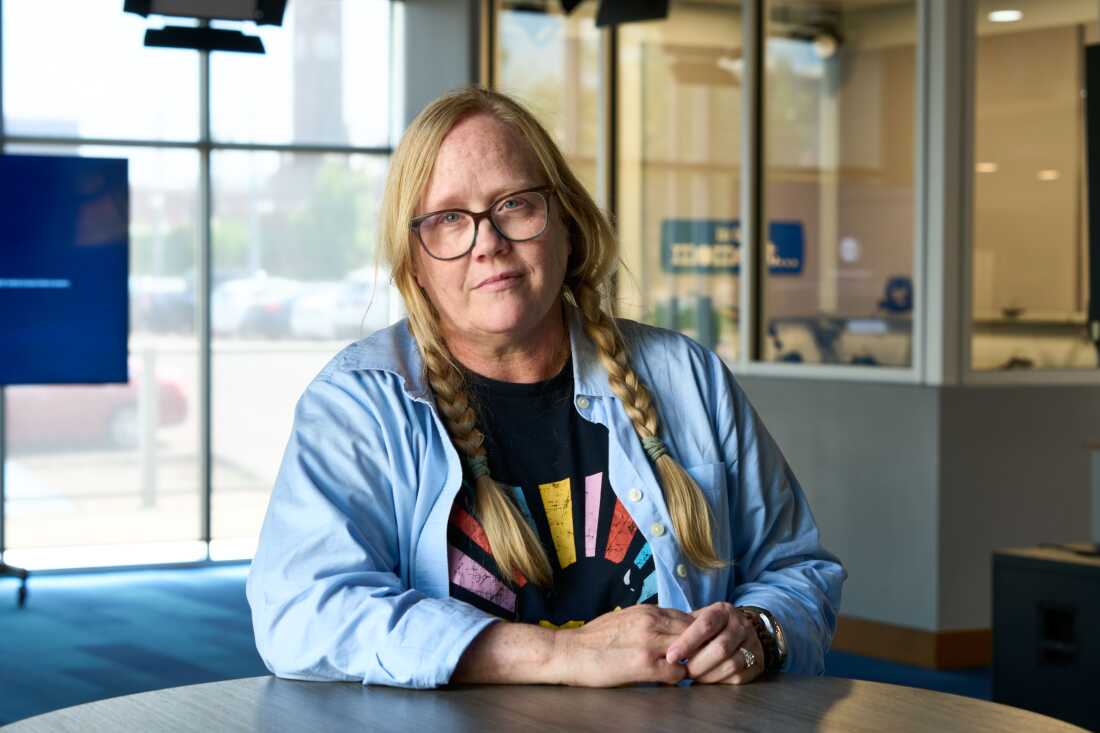
Lori Walsh faced job loss when her show was canceled due to funding cuts. She returned to South Dakota Public Broadcasting as a podcaster after financial support from listeners. Last year, President Trump led efforts to cut federal funding for NPR and PBS. Congress enacted these cuts, affecting public radio and TV stations nationwide.
The funding cut led to over 500 public media staff layoffs. Station officials felt urgency, hope, and anxiety. Viewers and listeners responded with generosity. PBS CEO Paula Kerger highlighted the role of viewer support in sustaining the network. However, there is anxiety about the longevity of this support.
A Price Paid in Rural America
Federal funding constituted 8 to 10% of public radio budgets and a higher percentage for PBS. Rural stations were heavily impacted. South Dakota Public Broadcasting had to make immediate cuts, affecting Lori Walsh’s show and staff.
“We went through a real grieving period,” Walsh recalls, missing colleagues and maintaining quality journalism.
Ryan Howlett, supporting South Dakota Public Broadcasting, reported a surge in donations, resulting in hiring opportunities, including Walsh returning in a podcast role.
Innovative Responses Nationwide
Across the nation, stations adapted creatively. KSUT in Colorado faced funding challenges but raised substantial donations. This allowed them to invest in solar energy and create an endowment. KSUT, NPR, and other stations also challenged Trump’s funding cut order and won a legal victory.
Federal agencies can now legally fund public media if Congress approves. Some Republicans support restoring aid to tribal stations. The Public Media Bridge Fund provides short-term support for sustainability models.
Indiana and Beyond
WNIN in Indiana faced severe budget cuts with the loss of state and federal funds. Despite these challenges, support from members and financial assistance enabled WNIN to end the year with a surplus.
Discussions are ongoing about restoring state funding for public broadcasting. Tim Black, WNIN’s CEO, emphasizes the need to explore new business models to serve audiences effectively.
Challenges and Optimism
NPR and PBS maintained most of their member stations despite the cuts. NPR adapted by reducing fees and receiving large donations for digital transformation and audience research support.
However, concerns about sustaining philanthropy persist. Jennifer Ferro of KCRW notes federal funding cuts and changes in news consumption patterns have led to staffing cuts and media innovation.
Public media faces ongoing challenges but remains resilient. Executives continue to explore inventive approaches to ensure future viability.
Report by NPR Correspondent David Folkenflik and edited by Emily Kopp and Gerry Holmes.