The Rise of Drones: Opportunities and Security Challenges at Public Events
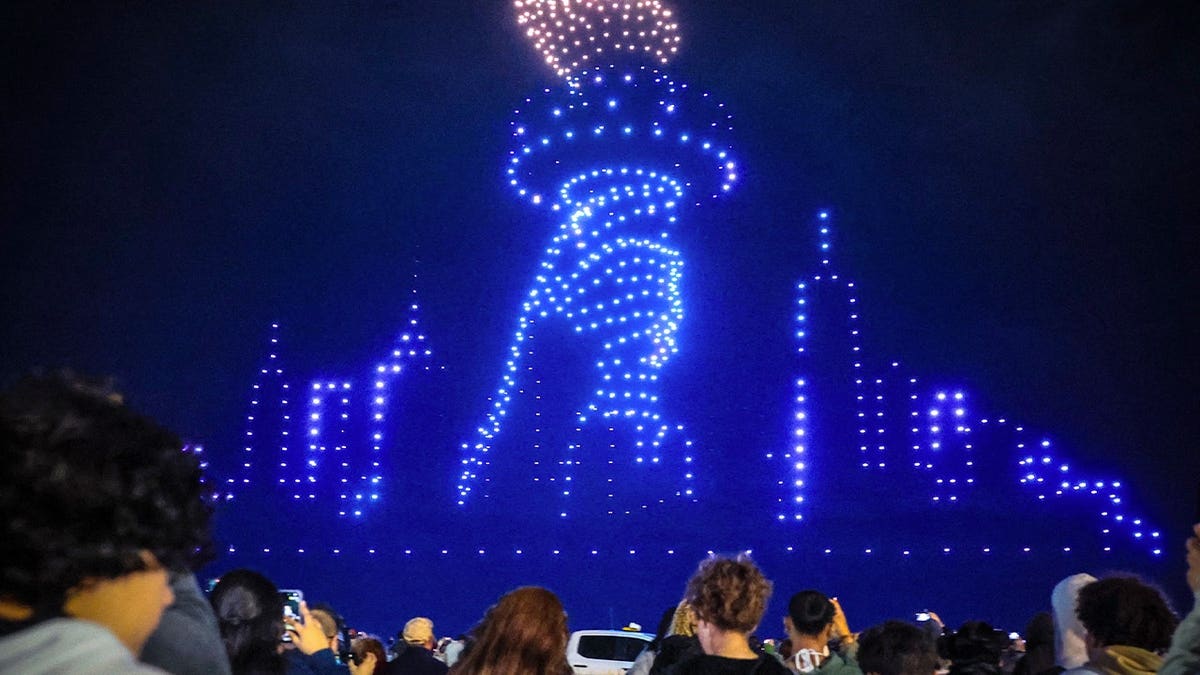
Drone shows are increasingly replacing fireworks at events like concerts and Fourth of July celebrations. Many see drones as a safer and more environmentally friendly option. However, the influx of drones poses new security concerns, particularly in crowded airspaces.
R2 Wireless CEO Cordell Bennigson talks about the growing use of drones and the challenges they bring to security and public safety. He emphasizes that while drone shows can be impressive, they highlight security challenges that go beyond the shows themselves.
A drone show itself isn’t a security risk, but it’s an indication of how accessible drones are.
Bennigson mentions that the full radio frequency (RF) spectrum can become cluttered during drone shows due to multiple wireless signals from drones and spectator devices. This makes detecting unauthorized drones near events more difficult.
“Detection is the first line of defense,” he says. “We need to see through the electromagnetic spectrum clutter to identify threats.” Bennigson stresses refining detection capabilities rather than reducing wireless transmissions, as the latter is unrealistic. He compares this to using night vision in darkness.
Artificial intelligence, according to Bennigson, plays a key role. AI can efficiently sift through large data sets to detect unauthorized drones. It quickly learns to identify new patterns or transmissions amid numerous existing signals.
The challenge extends beyond events. As drones become more common, public spaces like stadiums and critical infrastructure need updated airspace monitoring strategies. Bennigson urges attention at all governmental levels to this easy-to-obtain technology.
He argues for robust detection and defense systems to stay ahead of potential threats. Bennigson warns against relying solely on radar. Although radar detects non-transmitting objects, it has limitations, such as disrupting other signals and struggling with low flying drones.
In closing, regulators must adapt to these new challenges as drone technology develops. Systems like the FAA’s work well for compliant drones, but gaps remain for detecting those with malicious intent. Comprehensive strategies for drone detection are crucial.