Senate Democrats Prepare for Potential Election Interference
Senate Democrats Prepare for Potential Election Interference
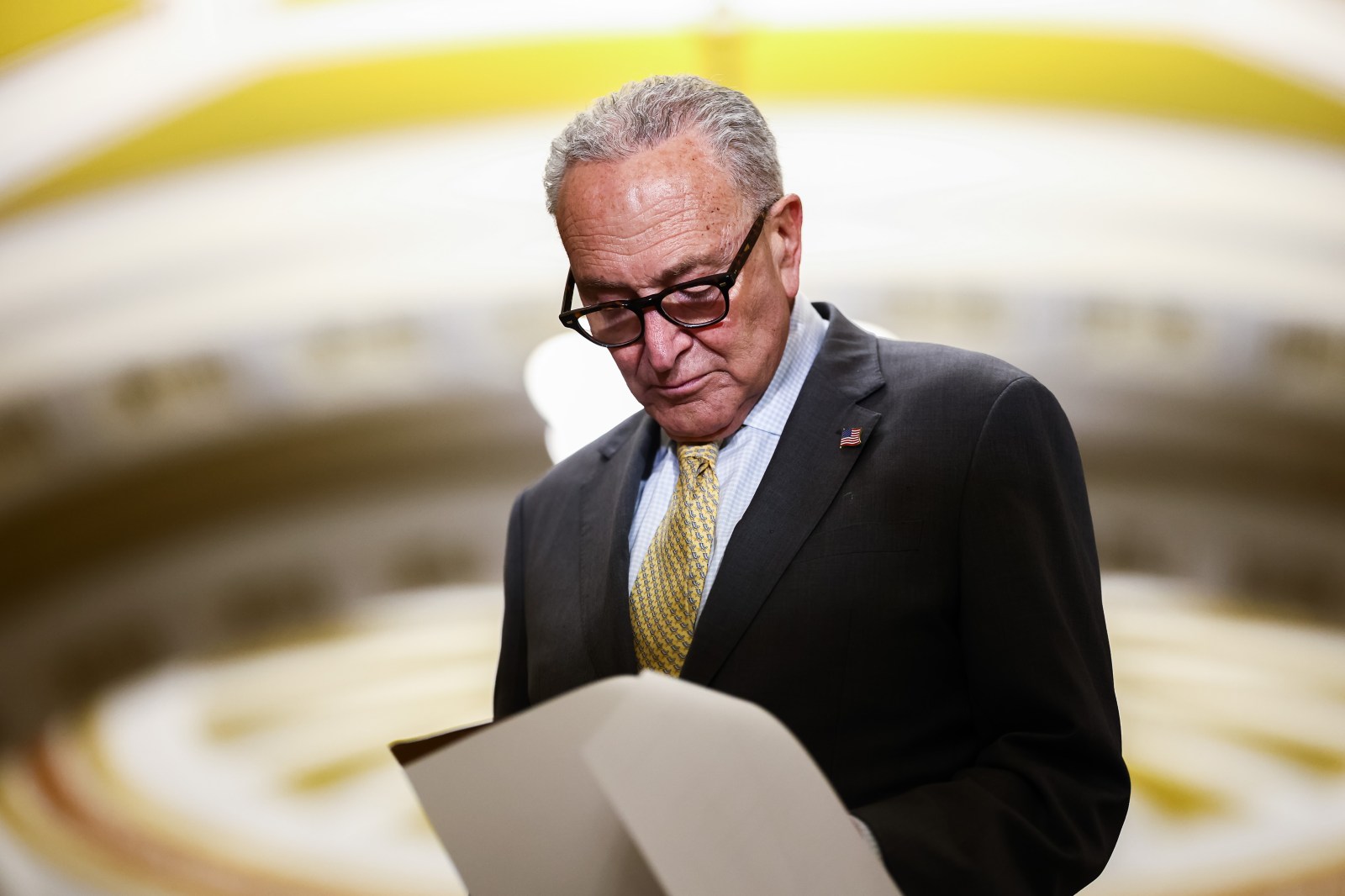
Last week, Senate Democrats participated in a private meeting, rehearsing their responses to any attempts by the Trump administration to interfere with the upcoming midterm elections. The meeting, convened by Senate Minority Leader Chuck Schumer, involved nearly twelve senators and included a series of tabletop exercises. These exercises explored scenarios that could potentially disrupt the elections.
One of the major concerns discussed was the use of AI-generated videos spreading disinformation regarding the elections. Another was the possibility of National Guard troops or immigration agents being positioned near polling locations. Schumer emphasized the importance of preparation, stating that readiness could prevent many unlawful actions.
Since Trump’s loss to Joe Biden in 2020, he and his supporters have challenged the results, with some going as far as storming the U.S. Capitol in an attempt to disrupt the certification process on January 6, 2021. This recent exercise, prompted by Trump’s remarks on election integrity, marks the second such session organized by Schumer this year.
Preparation for Disruption
Marc Elias, a seasoned Democratic election lawyer, contributed to the session. He indicated that the exercises aimed at preparation, not fearmongering. Elias highlighted the importance of taking potential threats seriously in light of Trump’s past actions, including instigating a violent insurrection.
One scenario considered during the exercises was the response to federal immigration agents being deployed near polling centers in states like Texas. Schumer mentioned the importance of collaborating with local authorities, such as police departments, to preemptively address such potential issues.
Democratic governors, through a joint statement, expressed concern over Trump’s attempts to undermine elections. The governors emphasized that the country’s elections have been consistently secure, and any attacks seek to intimidate and silence voters. They pledged readiness to counter any unlawful actions that threaten the right to vote.
Concerns Over Election Integrity
Rick Hasen, a law professor at UCLA, stated that the U.S. Constitution delegates the administration of federal elections to states. The president does not have the authority to cancel or delay elections at the federal level. However, concerns remain about efforts to pressure state officials to alter results or stationing troops near polling places.
Ari Mittleman, of Keep Our Republic, noted the organization was not involved in the congressional exercises but had studied similar scenarios. He highlighted realistic threats including creating confusion, triggering litigations, and delaying certifications as potential challenges.
Mittleman stressed that no single entity controls election outcomes due to diverse local administration. Overcoming safeguards would require significant breaches of independent procedures.
Voter Suppression as the Biggest Risk
Barbara McQuade, a law professor and former U.S. attorney, expressed concern about voter suppression as a significant risk. She highlighted strategies that could inhibit Democratic-leaning voters, such as students and minorities, from voting.
She stated altering vote counts would be complex due to decentralized election administration. However, rhetoric undermining trust in the electoral process could increase disengagement, potentially skewing results.
Public Perception and Trust
Polls indicate varying levels of public confidence in election integrity. A Yahoo News and YouGov survey suggested only 23% of Americans believe the upcoming midterms would not be rigged. NPR/PBS News found a drop in confidence in state and local election fairness, especially among Democrats and independents.
Most Americans prefer state control over election processes rather than federal. A YouGov and CBS News poll illustrated that 71% of respondents favored states having the final say.
States United Action’s analysis revealed a significant number of candidates questioning the 2020 election’s legitimacy are running for office, suggesting ongoing skepticism towards election integrity.