Senator Kennedy Raises Concerns Over Saudi Nuclear Deal
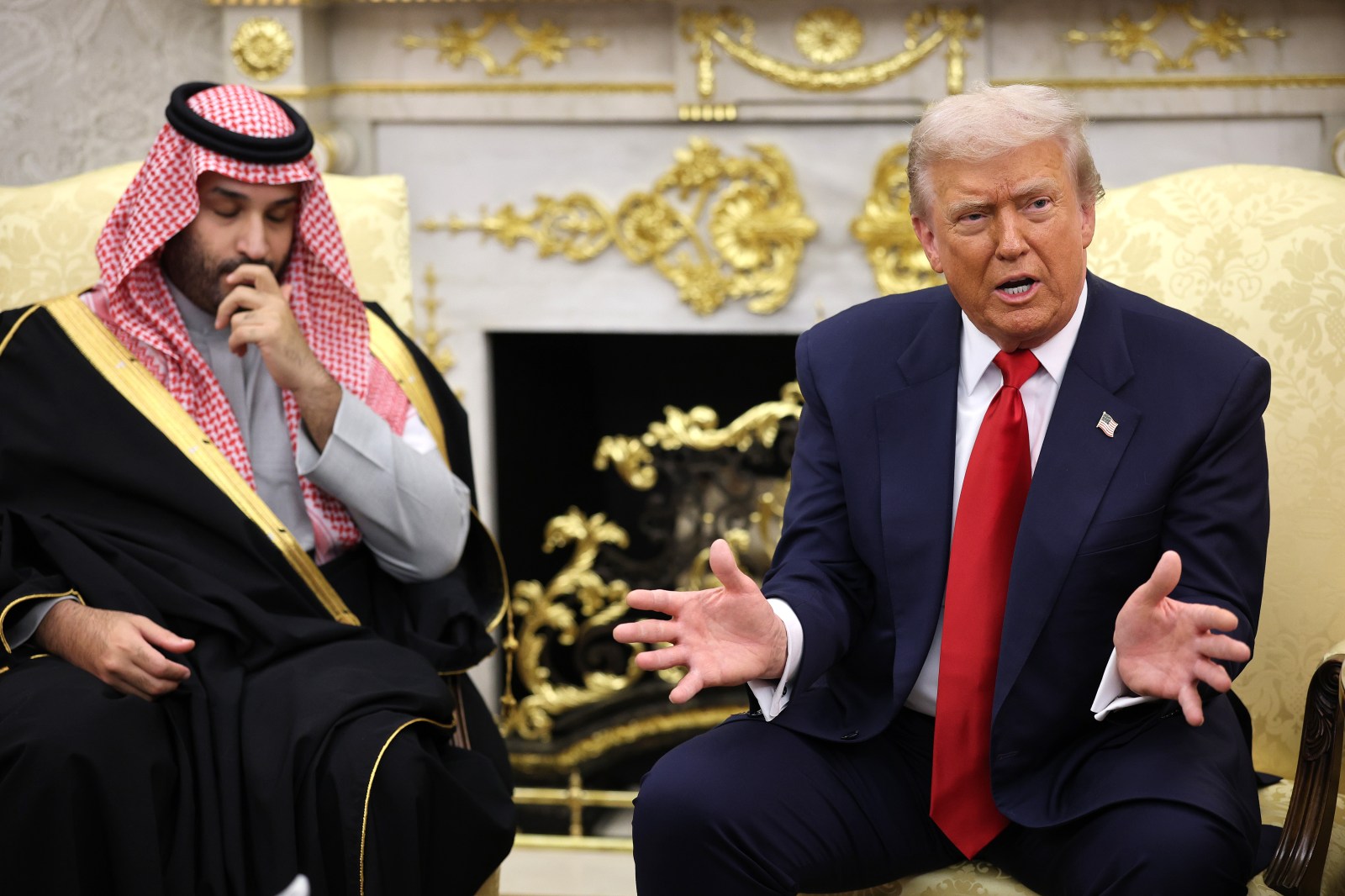
Republican Senator John Kennedy has expressed unease with the Trump administration’s new civilian nuclear agreement with Saudi Arabia. His comments provide rare internal party skepticism as lawmakers prepare to evaluate the agreement. This follows President Donald Trump’s announcement of the deal, which added a condition for Saudi Arabia to normalize relations with Israel for it to advance. This stipulation has already attracted criticism from Democrats and cast doubt on the deal’s prospects in Congress. Newsweek reached out to the Trump administration for comment.
Why Kennedy Opposes the Deal
During an appearance on CBS News’ Face the Nation, Kennedy was asked if he was comfortable with the agreement. His response was clear: “No. Maybe someday, but not right now.” The senator from Louisiana argued that seeking such an agreement with Saudi Arabia amid the ongoing conflict with Iran sends mixed signals. “We’re bombing a country to prevent nuclear weapon development, but signing an agreement with another,” he noted, acknowledging the commercial nature of the deal but expressing concerns over global perceptions.
Kennedy clarified that his issue isn’t with civilian nuclear cooperation itself but with its timing. He stated, “The world’s on a hair trigger.” He pointed out that nations are increasingly focused on nuclear deterrence amid instability in regions like the Middle East and Europe. Kennedy, who generally supports Trump’s foreign policy, defended the administration’s broader approach to Iran in the same interview, rejecting calls to end U.S. involvement there. Instead, he suggested maintaining pressure on Iran through sanctions and military strategies while avoiding a full-scale ground war.
What the Deal Would Do
The agreement would lay the foundation for civilian nuclear cooperation between the U.S. and Saudi Arabia, pending congressional review. The Trump administration contends that this deal would bolster strategic ties with a key ally in the Middle East and present opportunities for American companies within Saudi Arabia’s planned nuclear energy sector. Supporters believe U.S. involvement would enhance American influence over the kingdom’s nuclear development. Policymakers are divided, with fears that the program could hasten Saudi Arabia’s path to developing a nuclear weapon. These concerns link back to Crown Prince Mohammed bin Salman’s past vow to pursue nuclear arms if Iran acquires them, putting the agreement under intense scrutiny in Washington.
Trump’s New Israel Requirement
The political debate intensified when Trump added a condition that Saudi Arabia joins the Abraham Accords and normalizes relations with Israel. This requirement raised questions regarding the agreement’s viability due to Saudi Arabia’s historical stance on its ties with Israel. Riyadh has consistently stated that normalization requires significant progress toward Palestinian statehood. While Saudi Arabia has explored closer relations with Israel, officials remain firm that any significant change is contingent on the Palestinian issue. Kennedy expressed doubt about meeting this requirement, “I don’t think it’s going to happen… they’re not going to do that.” His remarks indicate that some Republicans foresee this condition as a significant obstacle.
Van Hollen’s Criticism Takes a Different Approach
On the other hand, Democratic Senator Chris Van Hollen criticized the deal’s negotiation process. Appearing on ABC’s This Week, he indicated that the Trump administration altered the terms post-announcement. “The Trump administration, after getting the Saudis to sign it, turned around and said, we’re not going to follow through unless you normalize relations with Israel,” Van Hollen commented, describing it as a “bait-and-switch scheme.” His criticism centered on adding a new political condition after commitments were made. Van Hollen’s points highlight differences from Kennedy’s; he focuses on the deal’s negotiation strategy rather than its timing or strategic nature.
Why Congress Could Become a Problem
These criticisms underscore a challenge for the administration as the agreement moves toward congressional review. Kennedy’s opposition focuses on timing amid the conflict with Iran, while Van Hollen’s on the added condition post-announcement. This dual criticism indicates the administration faces objections from different perspectives. Kennedy remains a strong supporter of Trump’s overall Iran policy, further complicating dismissal of his remarks as partisan opposition. Meanwhile, Democrats seem set to question the link between the agreement and Saudi-Israeli normalization.
What Happens Next
The agreement requires congressional review where lawmakers will assess its nonproliferation measures and broader implications. The administration contends that the deal enhances a vital partnership and extends U.S. influence in the Middle East. However, the debate suggests a different focus: questioning the pursuit of a significant civilian nuclear deal with Saudi Arabia amid central concerns over nuclear proliferation and the conflict with Iran.
For now, the deal faces an unusual political situation. Democrats critique the negotiation process, while at least one prominent Republican questions its timing. This combination presents a significant challenge on Capitol Hill.