WNBA Uniform Patch Controversy Highlights Complex Decisions
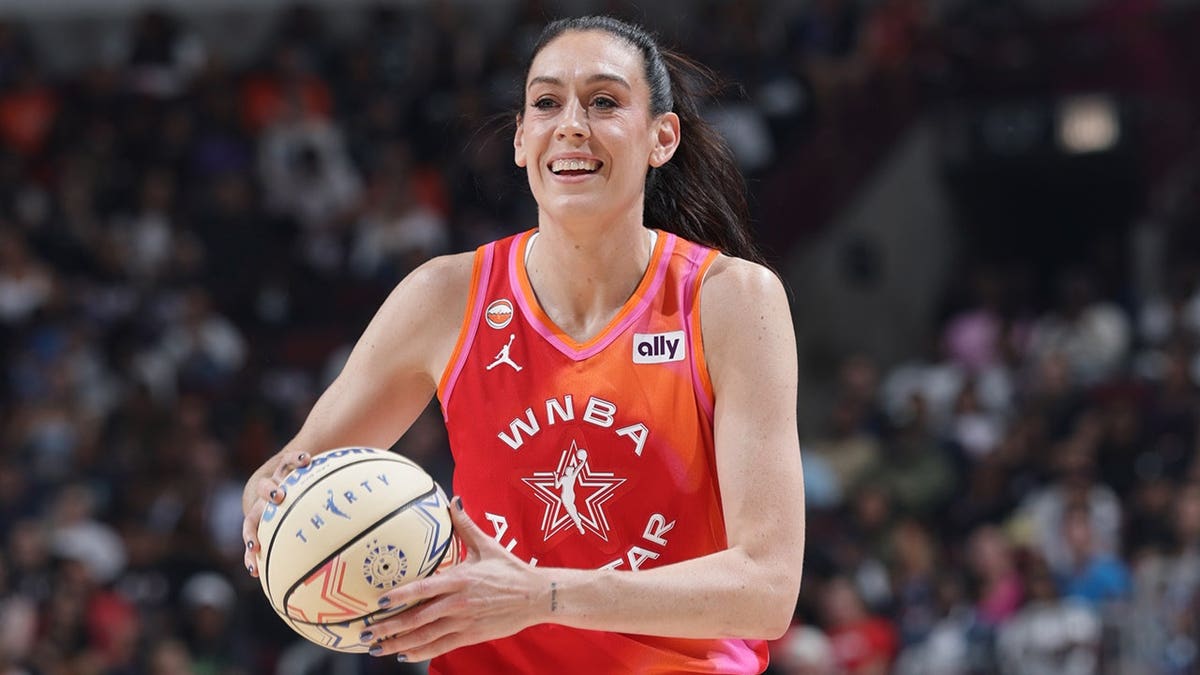
The Women’s National Basketball Players Association (WNBPA) clarified that it didn’t request the league to drop its proposed plan of placing USA 250 patches on All-Star uniforms. This response followed public criticism by one of the union’s officers. The WNBPA communication with OutKick and Fox News Digital noted that their player leadership reached out to the league after learning about the patches through a Sportico report. The WNBA, at that time, indicated no final decision had been reached. Later, the league opted for arena signage featuring ‘America 250’ instead of the uniforms during the All-Star Game in Chicago.
The WNBPA’s statement contradicted assumptions that the union formally opposed the patches. It also left unanswered why the league ultimately decided against using them on player uniforms. Public objections, particularly from WNBPA treasurer Brianna Turner, may have influenced the outcome, but the extent remains unclear. The WNBA has not detailed how or why the decision to abandon the patches was made.
The USA 250 patches are part of a broad national initiative involving other major sports leagues such as the NFL, NBA, and NHL. When initially unveiled, WNBA was absent from the list. The intention later emerged to include the patches during the WNBA All-Star Weekend, leading to internal discussions with the league.
Brianna Turner openly criticized the idea on social media, citing historical injustices affecting women athletes if they had lived 250 years ago. Her comments triggered further inquiries within the WNBPA and initiated conversations with WNBA leadership. Nneka Ogwumike, WNBPA president, confirmed the players’ concerns prompted direct discussions about the patches.
Although it was revealed that the patches were absent from the All-Star uniforms, neither Ogwumike nor Breanna Stewart elaborated on whether player objections influenced that decision. The WNBPA clarified they neither provided input nor took action on the patches.
Despite public characterizations of WNBA players refusing to wear the patches, the WNBPA statement challenges this narrative. The union explained that player leadership’s role was limited to information-seeking, not initiating formal opposition. The WNBA’s public response only mentioned exploring commemorations without committing to the patches.
Turner later moderated her stance, acknowledging opportunities afforded by America but advocating for ongoing efforts toward achieving equality. In contrast, the article cites clear legal statutes ensuring equal protection, pointing to laws against discrimination based on race or sex.
Turner’s argument stressed that persistent societal inequities do not imply a lack of legal equality. The commentary drew comparisons with countries like Afghanistan, where women face state-enforced inequalities, highlighting the freedoms and progress in the United States.
Turner benefits from these advances, playing professionally while freely voicing criticism without repercussions from the government. Her case underscores how much the U.S. has progressed since its founding, utilizing its principles to expand citizenship and rights.
While WNBA Coach Cheryl Reeve emphasized the challenge of balancing diverse perspectives in the league, the uniform patch represented a minor acknowledgment of the nation’s founding. It did not promote any political agenda, merely marked the country’s anniversary.
Sports offer one of the few shared spaces where differing political opinions unify under common goals. Simple patriotic gestures in sports foster national pride, transcending complexity. Yet, the WNBA refrains from such simplicity, often choosing ideological discourse over national symbols.
Players and the union hold the right to their beliefs and critiques. Likewise, the public can choose to support other sports that align with their views.
With the WNBPA clarifying its stance on the patch issue, the league still faces unanswered questions. These include why the patch was abandoned, whether Turner’s opinions influenced the decision, and why commemoration wasn’t on uniforms like other leagues. The union has provided its account; the WNBA remains silent.