New Policy Mandates Testosterone Testing for U.S. Service Members
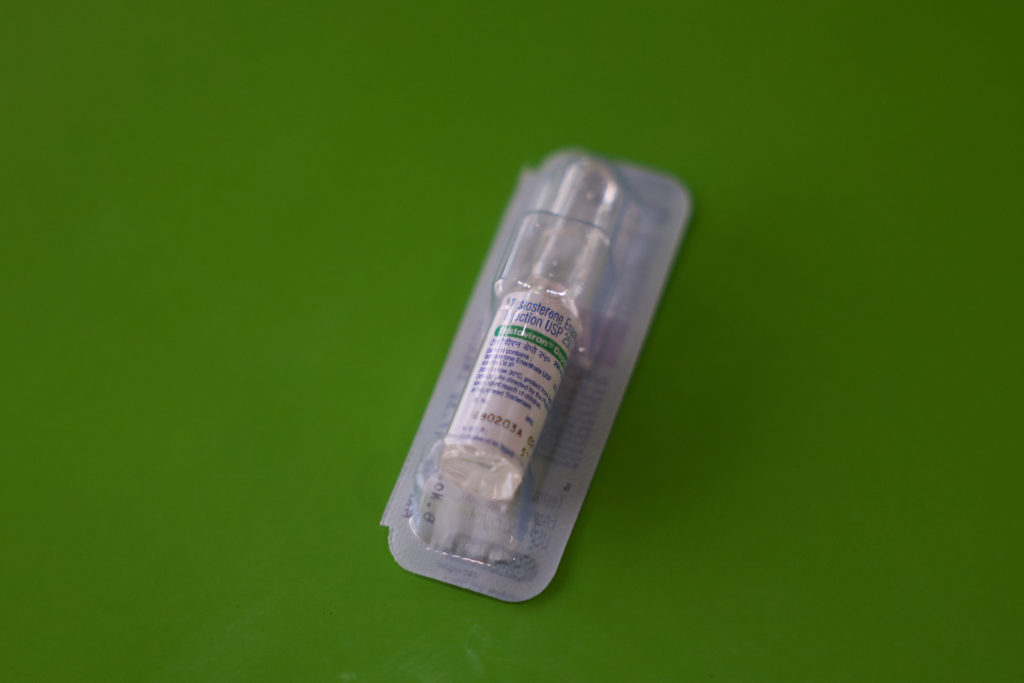
Defense Secretary Pete Hegseth announced a new initiative to test testosterone levels in U.S. service members annually. In a video posted on July 15, Hegseth proposed a ‘High-T Department of War’. He stated that service members aged 30 and over would undergo testosterone screening as part of their regular health assessments. Those under 30 could opt in voluntarily.
Hegseth emphasized, ‘This initiative aims to restore and optimize natural capabilities, protect longevity, and ensure the necessary biological foundation to sustain the fight.’ He clarified the program isn’t about enhancement, but wellness.
Understanding Testosterone Levels
Assessing testosterone levels isn’t simple. There’s no single value that’s considered low universally, as it varies by age, sex, and symptoms. The Endocrine Society notes normal testosterone ranges from 300 to 1,000 nanograms per deciliter for adult men. In women, levels typically range from 15 to 46 nanograms per deciliter. Different labs have slightly varying reference ranges.
Men’s testosterone levels naturally decrease with age, starting around 30 to 40 years old, dropping by about 1% to 2% annually. However, there’s no consensus on a specific threshold for low testosterone levels.
Low Testosterone Diagnosis and Symptoms
Doctors diagnose low testosterone or hypogonadism based on both hormone levels and symptoms. Symptoms for men include low sex drive, erectile dysfunction, or fatigue. Typically, two morning blood tests are required to confirm the diagnosis, each showing levels consistently below the norm.
For women, diagnosing low testosterone relies on symptoms and blood tests, though the latter may not be as reliable due to naturally lower levels in women. Symptoms can include low libido, fatigue, and mood changes.
Testosterone Replacement Therapy (TRT)
Testosterone Replacement Therapy (TRT) can address deficiencies, improving energy, bone density, metabolism, and sexual health. Available forms include gels, injections, pellets, pills, and creams. The choice depends on individual needs and physician recommendations.
However, once started, stopping TRT can become difficult. It may lead to reduced natural testosterone production, fertility issues, and other side effects. In men, these can include sleep apnea, acne, and increased risk of cardiovascular problems. For women, side effects may involve increased hair growth or acne.
Options for Women and Gender-Affirming Care
For women with low testosterone, there’s no FDA-approved therapy, but off-label prescriptions can be effective. They’re particularly used post-menopause to address low libido. TRT can also be considered gender-affirming care, as it supports individuals’ gender identity and comfort within their bodies.
Medical interventions are personalized, and the patient’s perspective is key to defining whether it’s gender-affirming. Hormone therapies and surgeries have long been used to align physical appearance with gender identity, benefiting both cisgender and transgender individuals.