Understanding the National Vaccine Court and Its Impact
The national vaccine court, located a short distance from the White House, plays a critical role in public policy by balancing vaccination benefits with individual harm. Founded in the 1980s, this court has discreetly compensated billions to individuals claiming vaccine injuries. As vaccine skepticism rises, it’s worth examining if the court can continue to fulfill its mission amidst political pressures.
Jacob Thompson’s Story
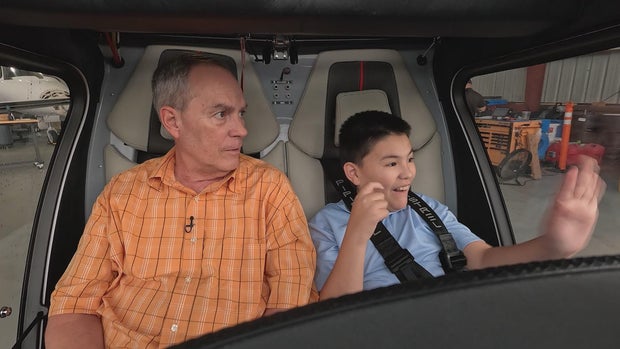
Jacob Thompson, a 13-year-old from St. Louis, faces significant challenges. Born on New Year’s Eve 2011, Jacob enjoyed airplanes, swimming, and Chick-fil-A. Tragically, he speaks only a few words and struggles to walk without assistance.
Jacob’s parents, John and Huali Thompson, noticed something was wrong after his six-month vaccination. He received the DTaP vaccine, considered safe and effective. Hours later, Jacob began experiencing seizures, marking the start of a difficult journey for the Thompsons.
The Court’s Structure and Purpose
The vaccine court is part of the National Vaccine Injury Compensation Program, created to address vaccine-related injuries. This program emerged from the public health scares of the 1980s when lawsuits against vaccine manufacturers led to shortages.
Pioneered by Congress, the program offers a no-fault system where claimants don’t need to prove negligence, only that the vaccine likely caused harm. This setup lowers the burden of proof for compensation compared to traditional legal processes.
Renée Gentry and Vaccine Injury Cases
Renée Gentry, a prominent lawyer in vaccine injury cases, represents both children and adults. Her clients usually stress they are not against vaccines, highlighting the rarity and public misconception of vaccine injuries.
Despite the importance of vaccines, injuries, though rare, do occur. The chances of experiencing a serious vaccine injury are extremely low compared to the millions of lives saved through immunization globally.
The Vaccine Injury Table and Compensation
The Vaccine Injury Table serves as a guide, listing vaccines and potential injuries that may be eligible for compensation. However, half of all claims are dismissed, and some must be decided based on available evidence.
Notably, autism is not recognized as a compensable condition in the vaccine court. Special masters previously ruled out a link between vaccines and autism after extensive examination of scientific evidence.
Challenges and Delays in the System
Cases like Ryan Farrell’s illustrate delays in the system. After a tetanus shot, Farrell developed an autoimmune disease, and it took nearly four years to link his condition to the vaccine. The court experiences backlogs and resource challenges, contributing to these delays.
This backlog has prompted calls for additional resources, though legislative inaction persists partially due to the politicized nature of vaccination issues.
A Bipartisan Approach
The Thompsons emphasize their support for vaccination despite their son’s experience. They stress the importance of being informed about potential risks.
Renée Gentry underscores the value of the court, which supports vaccine-injured individuals and incentivizes vaccine production while acknowledging rare risks. The program continues to operate based on cooperation and compromise, aiming to care for individuals like Jacob Thompson.