From Near Death to the Marathon Finish Line
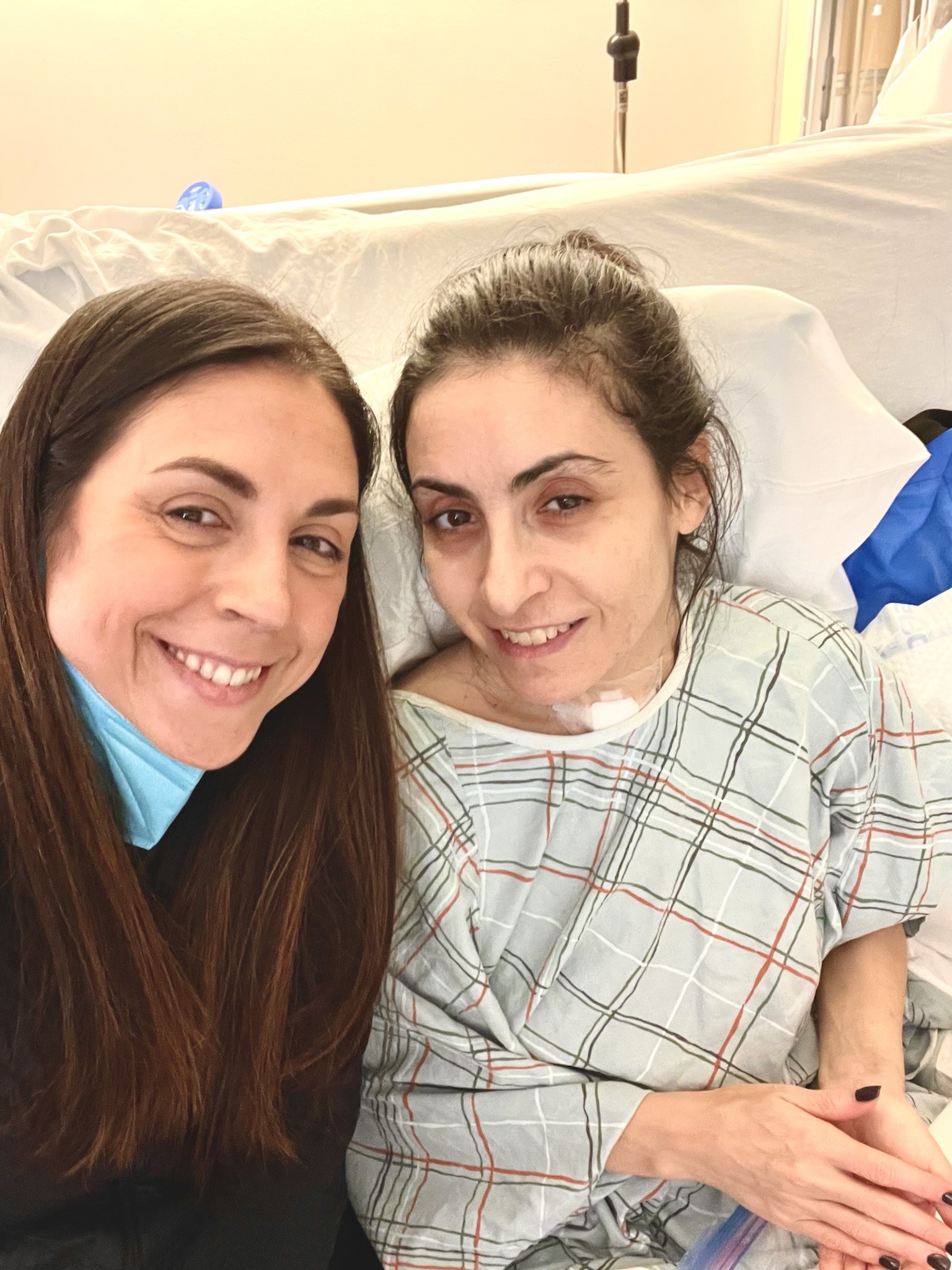
Four years ago, I came close to losing my life. On January 8, 2022, I sensed something was terribly wrong and told my doctor, “I feel like I’m dying.” My voice was weak, movement was almost impossible, and my head throbbed. Just a day earlier, I had visited the emergency room, suspecting I had a severe respiratory infection. Sent home, I returned to the hospital the next day, far worse off. I struggled with slurred speech, disorientation, and extreme weakness. Admitted for viral encephalitis, a dangerous brain infection that inflames the brain, I soon entered a medically induced coma lasting two weeks.
Upon waking, simple actions were impossible. I couldn’t talk, breathe unaided, eat, or even walk. Fast forward to today, I reside in New York City, maintain a full-time job, live independently, and run almost daily, preparing for my 10th marathon come fall. At times, I forget the extraordinariness of this transformation. Surviving reshapes perceptions; simple things appear monumental.
Prior to the infection, I had already battled my body once. In 2002, I was diagnosed with multiple sclerosis (MS) at 23. Numbness spread from my feet to my legs. Doctors doubted my ability to walk again. I kept MS a private matter, refusing to let it define me. Through rehabilitation, therapy, and perseverance, strength returned.
Yet, the January 2022 incident dwarfed this previous challenge. What seemed like a common cold transformed into a severe threat. Post-coma, I confronted a body I no longer recognized. Muscle mass vanished; strength evaporated. Sitting was exertion. My first attempt to stand required 30 minutes and help, just for a single step.
I realized the fragility of existence. Once, my life was active and independent. Now, basic tasks demanded help. Despite fear, a thought emerged: fight to recover.
Relearning to move humbled me deeply. Physical therapy became critical. Therapists supported and pushed me, believing in my ability even when I didn’t. The journey home was exhausting, defined by repetitive therapies and small victories. Walking a hallway was progress. Standing alone marked progress. Three months post-hospitalization, I completed a run-walk 5K race. It wasn’t about running; it was about proving movement’s continuation. Months of relearning culminated in reclaiming lost parts, evidenced by finishing that race.
Eight months post-near death, I ran the New York City Marathon a second time. It wasn’t to impress; recovery is mundane, exhausting work. It’s attending therapy despite fatigue, pushing muscle limits despite weakness, and believing in progress not yet visible.
Resilience whispers, it is not loud. Four years on, I mark my “life anniversary.” Not for perfection, but presence. Sometimes work deadlines frustrate me, long training runs challenge me, and concerns over inconsequential matters arise. But then I remember: once, hospital beds confined me, immobile and silent.
I now volunteer at Mount Sinai in neuro rehab. I meet patients facing daunting diagnoses. Some may never regain independence. In their rooms, I’m not a miracle case. I’m evidence of possible progress. I share honestly: survival doesn’t equate to easiness. It prompts different approaches and redefines strength. Celebrate small victories, do the work, and embrace tough challenges.
Healing meanders. Setbacks happen. Living with MS means dealing with fatigue and unpredictable strength. Some runs glide effortlessly; others burden. Rest sometimes trumps exertion. I’ve learned that resilience sometimes means pausing, not merely charging ahead. Running symbolizes commitment. Starting in 2019, at 40, it grew more profound post-encephalitis. Every mile proves hard tasks are achievable. Every marathon declares my body’s resilience, not fragility.
I have completed nine global marathons, including five Abbott World Marathon Majors. I aim for the Tokyo starting line in March 2027, seeking my sixth Abbott star. Yet, medals aren’t the essence. The significance lies in starting anew after losing the ability to step. In 2002, I might have never walked. In 2022, I awoke from coma needing to relearn basic functions. Today, countless small choices propel me forward.
Frequently, people question my outlook. It’s this: control your reactions, not circumstances. Surviving a brain infection taught me life’s rapid volatility. Progress shows in small steps. That’s sufficient.
Four years ago, life hung by a thread. Now, I’m alive, running, working, living independently, and aiding others in their battles. Every morning, I grasp a new truth: the real miracle isn’t survival. It’s understanding that destiny isn’t bound by prognosis. Resilience outshines fear, transforming second chances into greater lives.
Amy Gruenhut is a New York City-based marketing executive and marathon runner volunteering at Mount Sinai’s neuro rehabilitation program, aiding patients in recovery. All views in this article reflect the author’s perspectives.