UNESCO Adds Normandy Beaches, Mount Olympus, and Other Sites to World Heritage List
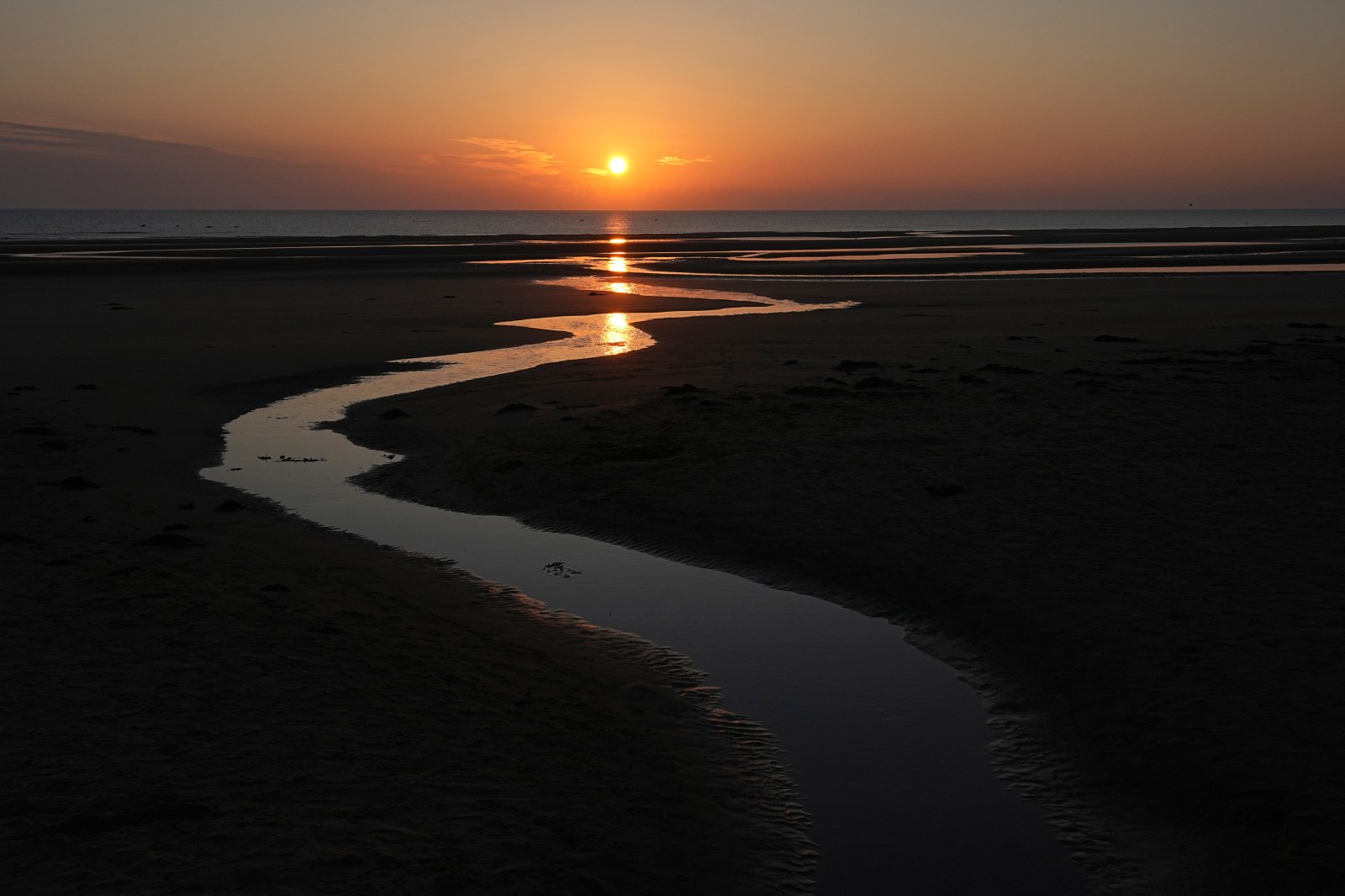
The beaches of Normandy, notable for the historic D-Day invasion during World War II, have been newly recognized by the United Nations Educational, Scientific and Cultural Organization (UNESCO) as part of the World Heritage List. This inclusion occurred alongside Greece’s Mount Olympus and other sites of cultural and environmental significance. Decisions were finalized on Sunday during the UNESCO World Heritage Committee meeting in Busan, South Korea, where delegates examined numerous nominations from around the globe.
The UNESCO World Heritage designation acknowledges locations for their exceptional cultural, historical, or natural value, encouraging long-term preservation. Among the significant additions are Normandy’s five landing beaches—Omaha, Utah, Sword, Gold, and Juno—and Pointe du Hoc, a critical cliff-top assault site taken by U.S. Army Rangers on June 6, 1944. These sites are integral to the successful Allied invasion of Nazi-occupied France, a pivotal event aiding Western Europe’s liberation from Nazi control.
The International Council on Monuments and Sites (ICOMOS), responsible for evaluating heritage committee nominations, highlighted the Normandy sites as preserving substantial evidence of the landings. This includes German defensive positions, wartime landscape damage, Allied harbor infrastructure, and sunken vessels. These sites signify an “event widely perceived as having enabled the return of freedom and heralded lasting peace on the European continent.” However, ICOMOS cautioned that these sites face preservation challenges, including pressure from tourism, climate change, sea level rise, and local development projects like wind farms. Enhanced monitoring and conservation efforts were recommended to uphold the sites’ historical integrity.
Ahlem Gharbi, France’s permanent delegate to UNESCO, stated that the Normandy landings marked a major transition from global conflict toward a postwar focus on peace and collective security. “The event represents a turning point,” she noted, “an enduring significance during contemporary global conflicts.” Historian David Edgerton emphasized the monumental nature of this operation, “It’s one of the greatest amphibious landings ever, deserving profound remembrance.”
Mount Olympus Receives Long-Sought Recognition
Mount Olympus, Greece’s highest peak and legendary abode of the 12 Olympian gods in ancient mythology, also joined the World Heritage List. This comes after a 12-year campaign by Greek authorities to attain confirmation of the site as a mixed cultural and natural heritage landscape. Rising to 9,573 feet, Mount Olympus offers significant mythological and ecological value. Ancient Greeks revered it as the throne of Zeus, the supreme god, and it boasts rich biodiversity and protected ecosystems today.
Local officials expressed appreciation for the recognition while acknowledging the responsibility it entails. Evangelos Geroliolios, mayor of Dion-Olympus at the mountain’s base, stated, “UNESCO status bolsters conservation efforts and encourages prudent visitor management.” Georgios Koumoutsakos, Greece’s UNESCO delegate, affirmed Greece’s dedication to safeguarding Mount Olympus, emphasizing benefits “for present and future generations.” In a light-hearted remark, he drew on Greek mythology, “It is always best to remain on good terms with gods.”
Ancient Japanese Capitals Recognized
UNESCO also included the ancient capitals of Asuka and Fujiwara in Japan’s Nara Prefecture on its list. This covers 19 archaeological sites dating back to the sixth to eighth centuries. This period saw Japan establish its first centralized state and adopt governance models from China. The largely unearthed remains consist of royal palaces, administrative buildings, Buddhist temples, and tombs, contributing to Japan’s state development.
Japanese Vice Culture Minister Shigeki Kobayashi expressed gratitude to UNESCO and pledged government support for preservation. Prime Minister Sanae Takaichi, with roots in Nara, expressed hope that recognition would draw more visitors. Archaeology professor Yoshiyuki Aihara from Nara University described the sites as offering “rare insight” into Japan’s state foundation and interactions with nearby civilizations, despite the challenge for ordinary visitors to see the buried ruins.
South Sudan Celebrates First World Heritage Addition
The Boma-Badingilo Migratory Landscape in South Sudan became the country’s first World Heritage Site. This expansive area features wetlands, floodplains, and savannas, supporting one of the largest land mammal migrations worldwide. According to UNESCO, about 6 million white-eared kob, tiang, and Mongalla gazelles traverse the landscape with seasonal environmental changes. Elephants, lions, cheetahs, and various species inhabit the ecosystem, sustaining local communities reliant on herding, fishing, and agriculture.
The recognition is a milestone for South Sudan, the youngest nation, possibly attracting international support for conservation amid environmental and economic challenges.
Why the Designations Matter
UNESCO World Heritage status represents a prestigious form of international acknowledgment for cultural and natural sites. While it does not provide direct funding, it can increase global awareness, encourage tourism, and strengthen preservation endeavors. This year’s entries reflect UNESCO’s mission scope—from honoring sites linked to defining historical events like the Normandy landings to recognizing landscapes rooted in mythology, archaeology, and biodiversity.
The committee continues to meet in Busan until Wednesday, with more sites expected to be considered for inclusion. However, for newly designated areas, UNESCO status delivers international recognition while presenting the challenge of site protection for future generations.