U.S. and Iran Conflict Sees Pause Amid Diplomatic Efforts
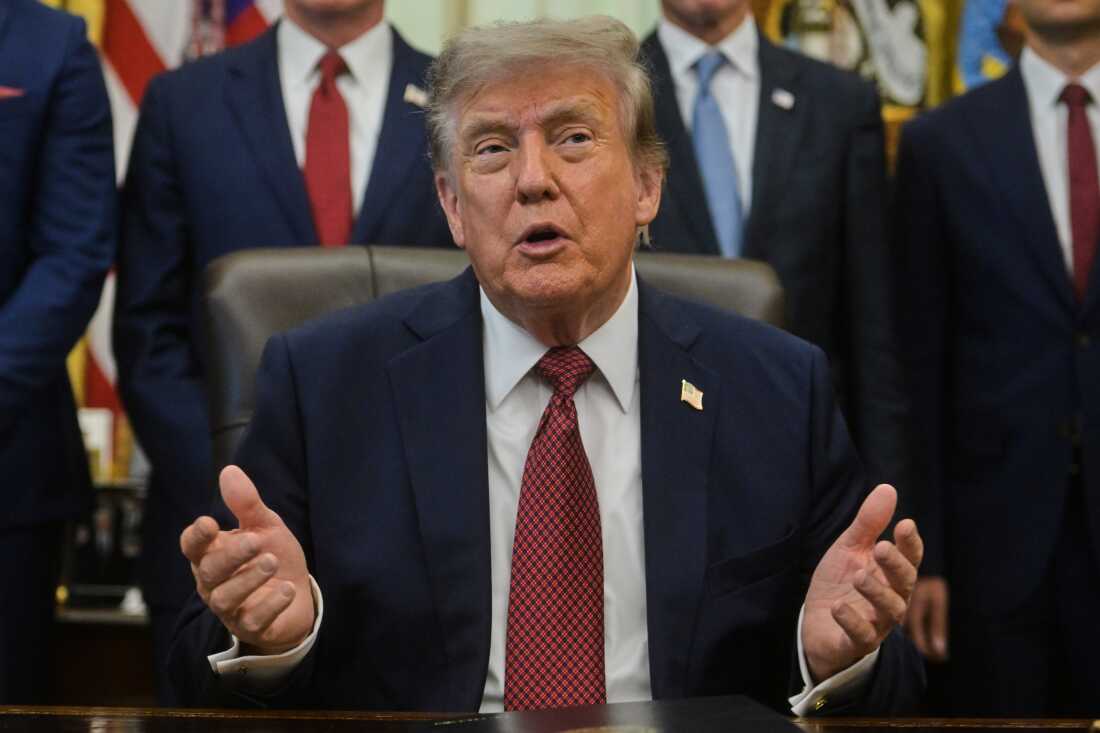
The United States military has halted its airstrikes on Iran after almost two weeks of intensifying bombing. This military pause accompanies diplomatic efforts aimed at preventing the situation from escalating into a full-scale war. The conflict, which has lasted nearly five months, could be at a turning point, but the outcome remains uncertain.
Tensions and Diplomatic Moves
President Donald Trump has both threatened further military action and emphasized ongoing negotiations. Concerns loom about rising gas prices linked to the conflict, which may impact upcoming midterm elections for Republicans. The situation is complicated by the expected visit of Israeli Prime Minister Benjamin Netanyahu to Washington. Israel joined the conflict with the U.S. at the outset on February 28, but has stayed out of the recent American strikes on Iran. This shift follows Iran’s blockage of the Strait of Hormuz, a crucial channel through which 20% of the world’s oil moves.
“The Iranians understand that perhaps it could get worse because Israel could come into the conflict,” said Michael Singh, managing director at the Washington Institute for Near East Policy.
However, the lack of Israeli involvement so far might signal a desire to control the conflict. Singh also noted that if the pause in military action becomes extended, it could indicate significant diplomatic developments.
Mediation Efforts
A regional mediator reported that ongoing diplomatic efforts have led to the pause, with both parties interested in reverting to an interim ceasefire. Current discussions focus on allowing Iran to facilitate vessel movement through the Strait of Hormuz under fewer restrictions. Despite recent hostilities, technical discussions between Iran and Oman have shown progress, suggesting a shared interest in de-escalation.
The conflict involved clashes over control of the strait, a strategic shipping corridor. After initial rounds of fighting, Iran demanded usage terms for shipping near its shores and hinted at imposing fees. Ships began using a safer route along Oman. In response, U.S. strikes targeted Iran’s coastal defenses to protect shipping routes. Singh believes these actions aim to bring Iran back to negotiations, despite internal challenges in Iran due to divided leadership.
Messages from Iran and Ongoing Challenges
Both nations require the strait to open for economic stability but disagree on operational control. Reaching equilibrium through a balance of diplomacy and force remains a primary objective.
Continued Tensions
Meanwhile, regional tensions persist. Yemen’s Houthi rebels, backed by Iran, have attacked Saudi Arabia in reprisal for Saudi airstrikes. This has further significance as it threatens another critical maritime route, the Bab el-Mandeb Strait. The U.S. maintains a naval blockade on Iranian ports, having recently stopped a vessel attempting to breach it.
Despite leveraging both military threats and diplomatic avenues, President Trump continues to stress diplomacy. While acknowledging Iran’s reluctance to negotiate a deal, he notes a growing seriousness in their approach. Meetings with national security advisors have considered options for maintaining or escalating military actions. However, no strikes occurred the past night after nearly two weeks of continuous engagement. Despite impending elections influenced by high prices, Trump asserts an intention to resolve the conflict methodically.