Senate Panel Reviews College Sports NIL Legislation Amidst Ongoing Challenges
A Senate panel is actively reviewing legislation concerning Name, Image, and Likeness (NIL) in college sports. The goal is to bring order to what many perceive as chaos. Criticism has been raised by notable figures, including former Alabama football coach Nick Saban. Saban argues that current focuses are more on financial gains than athlete development.
Senator Cynthia Lummis, R-Wyo., has highlighted concerns for smaller schools. She warns that these institutions may struggle to retain talented players, such as Josh Allen, due to competition from larger schools with substantial donor support.
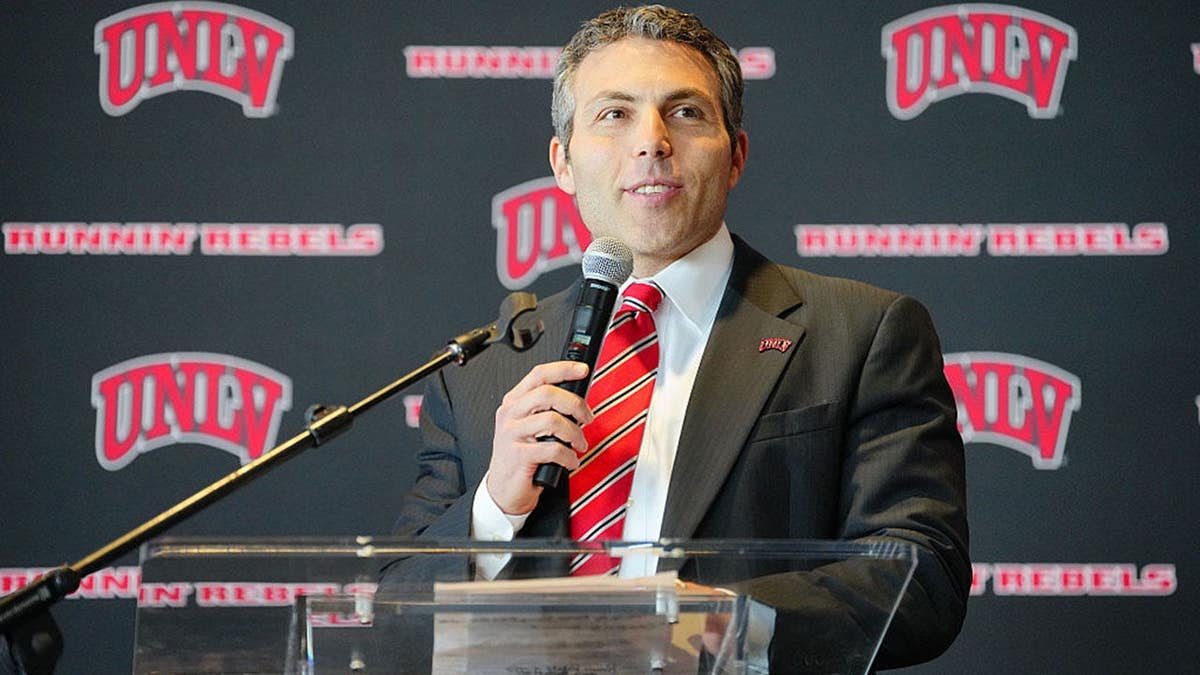
In a bold move, UNLV’s basketball team is exploring new revenue opportunities. Their head coach, Josh Pastner, alongside the athletic department, proposes selling the team. This approach reflects the evolving dynamics of college sports, where boosters significantly contribute to athletes’ financial support.
“Buy the college basketball team. It’s legal now,” stated Josh Pastner. “You don’t have to spend over a billion dollars to own our team. I’m asking for $10 to $12 million, offering a great tax write-off and the bragging rights of team ownership.”
The idea is not entirely far-fetched as Las Vegas continues to draw interest from those wishing to establish sports franchises. UNLV has even devised infographics comparing potential purchases, like luxury cars or watches, to owning a part of the college team.
This concept leverages Las Vegas’s status as an emerging sports hub, with events like the NBA Summer League and the 2028 Final Four planned to take place there. By proposing ownership options, UNLV aims to attract investment and maintain competitiveness in college basketball.
The underlying challenge for donors is the lack of tangible returns on their investment. With the possibility of owning the team, this becomes a novel approach for UNLV to engage supporters who may be driven by enthusiasm or reputation within their communities.
Such strategies are not exclusive to UNLV, as third-party collectives across the nation innovate ways to offer investors a share of future revenues generated by athletic talents. However, how this ownership model will translate into daily operations and decision-making in sports teams remains unclear.
Ultimately, for colleges like UNLV, exploring alternative funding methods is essential in thriving amidst the competitive and costly landscape of college athletics.