Berlin Attack Sparks Broader Debate on Progressive Coalitions
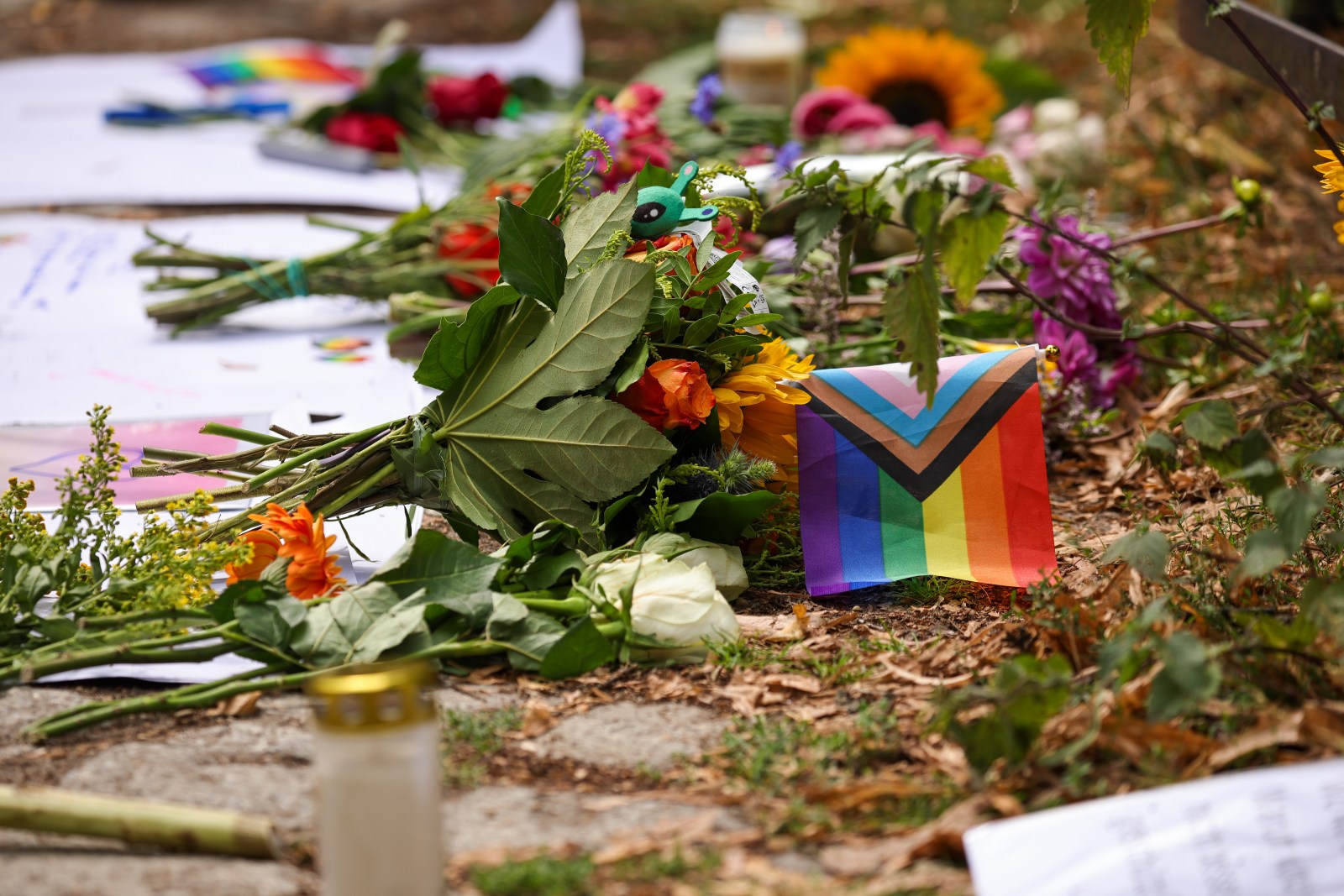
The celebration of Pride in Berlin was marred by violence when a rented van plowed into the crowd near Tiergarten during Christopher Street Day, one of Europe’s largest Pride events. After the initial impact, the driver attacked attendees with a bladed weapon. The tragic incident left one woman dead and 29 others injured. Police identified the suspect as 21-year-old Abdul Ballout, a German of Lebanese descent, who was subsequently shot by authorities as he approached them with a weapon. Germany’s Interior Minister, Alexander Dobrindt, attributed the attack to Islamist motives.
This event punctuated a significant issue within progressive circles, namely the fragile alliance between Pride activism and pro-Palestinian solidarity. Over the years, rainbow flags have often flown alongside Palestinian flags at marches, particularly in the U.S. and Europe, promoting a narrative that aligns the struggles of oppressed groups regardless of political or social differences.
The Berlin attack forced a tough discussion on whether movements focused on individual freedoms can support Palestinian causes without acknowledging the illiberal ideologies associated with groups like Hamas. The attack underscored the delusion of monolithic slogans such as ‘Pride for Palestine,’ revealing the need to distinguish between the realities of Palestinian civilians and the ideological extremes of Hamas.
Hamas is a Palestinian Islamist movement, not representative of all Palestinians, and its ideologies often conflict with the freedoms advocated by global Pride movements.
M. Zuhdi Jasser, co-director of the CLARITy Coalition, distinguished between universal human rights and Islamism, labeling the latter as homophobic and oppressive to individual liberties. Nevertheless, many progressive factions hesitated to speak candidly about the ideologies of Hamas while supporting Palestinian causes.
The argument that LGBTQ rights are used as a distraction from Israel’s treatment of Palestinians is often cited as ‘pinkwashing.’ Despite this, activists from groups like ACT UP New York emphasize that Pride originated as a resistance to state oppression and should align with groups facing similar issues globally. Yet, the reality remains that Islamist groups pose a severe threat to LGBTQ freedoms, an issue requiring honest dialogue.
The rise of far-right figures like the Alternative for Germany (AfD) exploits these contradictions. The AfD often critiques mainstream parties for their reluctance to address issues like Islamist violence, presenting themselves as defenders of Western culture. Their narrative juxtaposes the need for security with an appeal to gay voters, despite opposing key elements of the LGBTQ agenda.
The implications of the Berlin attack extend to American discourse. U.S. Pride politics are already entangled in similar challenges. American activists must grapple with whether defending Palestinians aligns with neglecting the threat Islamist ideologies pose to individual rights.
The essential takeaway is about maintaining difficult moral distinctions, acknowledging threats without vilifying groups, and protecting all human rights consistently.
When established leaders fail to make these distinctions, extremist groups seize the opportunity to offer straightforward, albeit reductionist, solutions. As highlighted by Jasser, ignoring the ideological underpinnings of such conflicts allows these narratives to dominate. For progressive movements, recognizing and confronting these dynamics is crucial to maintaining integrity in their advocacy.