Trial Details Emerge in Tupac Shakur’s 1996 Killing Case
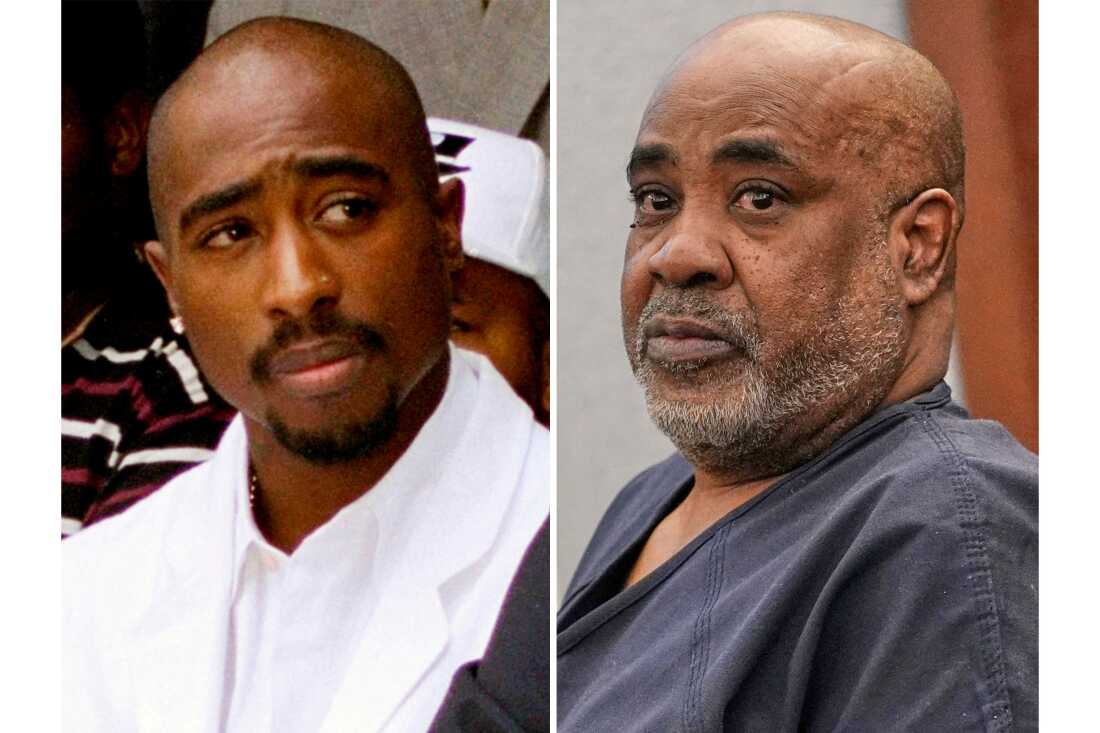
In a significant development, a Nevada judge has ruled that a 2008 police interview with Duane “Keffe D” Davis is admissible in his upcoming trial. Davis, aged 63, is charged with the murder of rapper Tupac Shakur, an event that remains one of the most infamous unsolved cases in the United States.
Judge Carli Kierny announced the decision, allowing the police interview as evidence. The trial is set to begin on August 10. Prosecutors allege Davis orchestrated the murder, with Davis himself having made public statements about his involvement. His remarks include claims in a book he co-authored, stating he was in the vehicle used in the crime and supplied the weapon.
Davis’ defense lawyer, Michael Sanft, argued that the 2008 police interview was conducted under the assurance of confidentiality, with detectives indicating it would not be used against Davis. “I sang because they promised I would not be prosecuted,” Davis claimed in his memoir “Compton Street Legend.” However, prosecutors insist the interview should remain part of the trial materials, considering Davis’ later public disclosures.
The defense’s efforts to exclude Davis’ book from trial were unsuccessful. Kierny reasoned that Davis had accepted ownership of the book by openly describing it as the “real truth.” The book provides details about the night Tupac was killed, an action cited in Detective Greg Kading’s “Murder Rap,” and various documentaries, including “Sean Combs: The Reckoning.”
Tupac Shakur was murdered on September 7, 1996, near the Las Vegas Strip. During the incident, a white Cadillac approached the car Shakur was in, and shots were fired. Shakur sustained multiple gunshot wounds and succumbed to his injuries six days later, whereas Marion “Suge” Knight survived.
Among those in the Cadillac with Davis was his nephew, Orlando “Baby Lane” Anderson. Although Anderson denied any involvement and was later killed in a separate incident, witness testimony suggests that Anderson lacked a “clear shot,” leading Deandrae “Freaky” Smith to use the weapon instead.
Davis expressed regret over his cooperation with authorities during the 2008 interview, revealing his internal conflict in having provided information about the case.