U.S. Intervention in Venezuela: Current Impact and Future Prospects
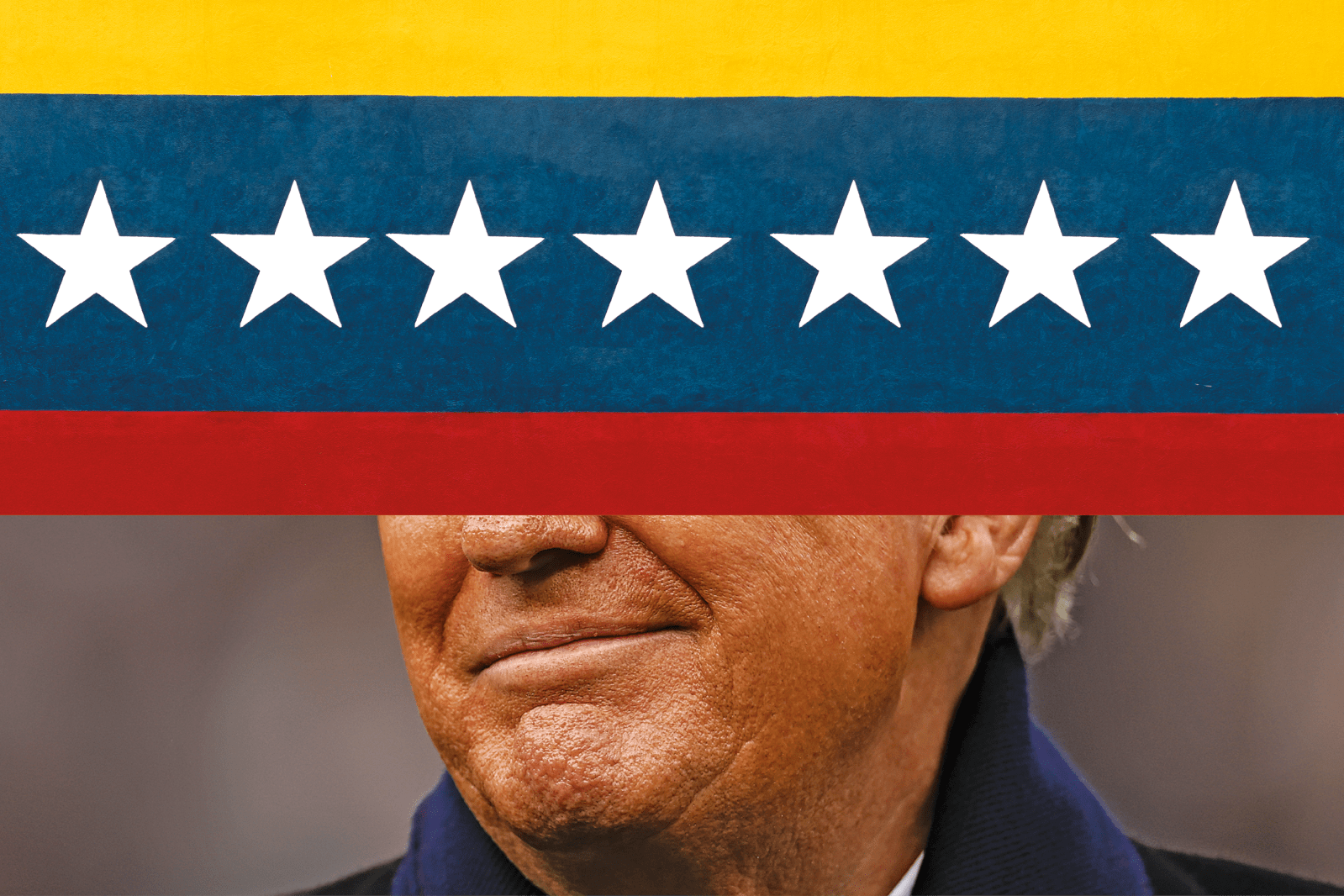
When President Donald Trump initiated a significant early morning operation to detain Venezuelan President Nicolás Maduro, the event stirred global attention. Maduro was brought to the United States to face charges linked to narco-terrorism. This action drew immediate warnings from some political figures.
Adam Smith, a senior member of the House Armed Services Committee, highlighted past U.S. military involvements like those in Iraq and Libya, suggesting that intervention often ends poorly. Similarly, Representative Jim Himes compared the situation to previous U.S. military actions in Afghanistan and Iraq.
However, Secretary of State Marco Rubio emphasized differences. He argued that the mission in Venezuela was distinct from past Middle East operations. Half a year later, the anticipated chaos did not materialize. For decades, leaders like Chávez and Maduro warned against U.S. military presence. Yet, following the intervention, numerous changes have unfolded in Venezuela.
The country witnessed increased foreign investment, with companies like Shell and SLB re-entering the oil and gas sector. Since Maduro’s arrest, over 670 political prisoners have been released, and political events have resumed in public spaces. Additionally, changes in media coverage now allow for broader narratives beyond official government stories.
The Earthquake and Its Aftermath
On June 24, two powerful earthquakes struck Venezuela, causing widespread devastation. Over 5,000 people lost their lives, and many remain missing. Critical infrastructure related to electricity, water, and sanitation suffered severe damage. Economist Asdrúbal Oliveros estimates the rebuilding costs to be between $12 billion and $15 billion.
Historical comparisons illustrate varying outcomes after natural disasters. For example, Chile rebounded swiftly from a stronger quake in 2010 due to its strong institutions. In contrast, Haiti continues to struggle with recovery from a less severe quake the same year.
Following the disaster, the United States provided regular humanitarian aid. This included daily shipments of supplies and support from nearly 2,000 American troops. This assistance has improved the perception of the U.S. among Venezuelans, with many expressing gratitude for the aid.
Venezuela’s Energy Revival
Venezuela possesses the largest proven oil reserves globally. Years of inadequate investment have left this potential largely untapped. Recent developments include a new hydrocarbons law, granting private entities more control and reducing state intervention. This shift opens opportunities in energy, fintech, mining, and tourism.
The legal changes and increased American involvement have fueled hopes for economic growth. Oil production has started recovering, and U.S. investments are setting the stage for future prosperity. This reinvigoration aligns with a broader strategy involving stabilization, economic recovery, and eventual democratic transition.
Challenges and Future Outlook
The transition, however, is not without its skeptics. Public trust in the current regime remains fragile. Analysts suggest that despite economic opportunities, challenges persist. The government’s focus on economic growth rather than democratic reform marks a point of contention.
The U.S. strategy for Venezuela involves careful diplomacy and financial oversight. While political change remains uncertain, the nation is experiencing notable economic shifts. Despite the devastation of the earthquakes, the focus remains on rebuilding and fostering stability.
For investors and observers, Venezuela represents both an opportunity and a challenge. As reconstruction efforts continue, the nation’s potential for growth hinges on effective management and international cooperation.