Trump’s Tariffs and the Impact on Detroit’s Auto Industry
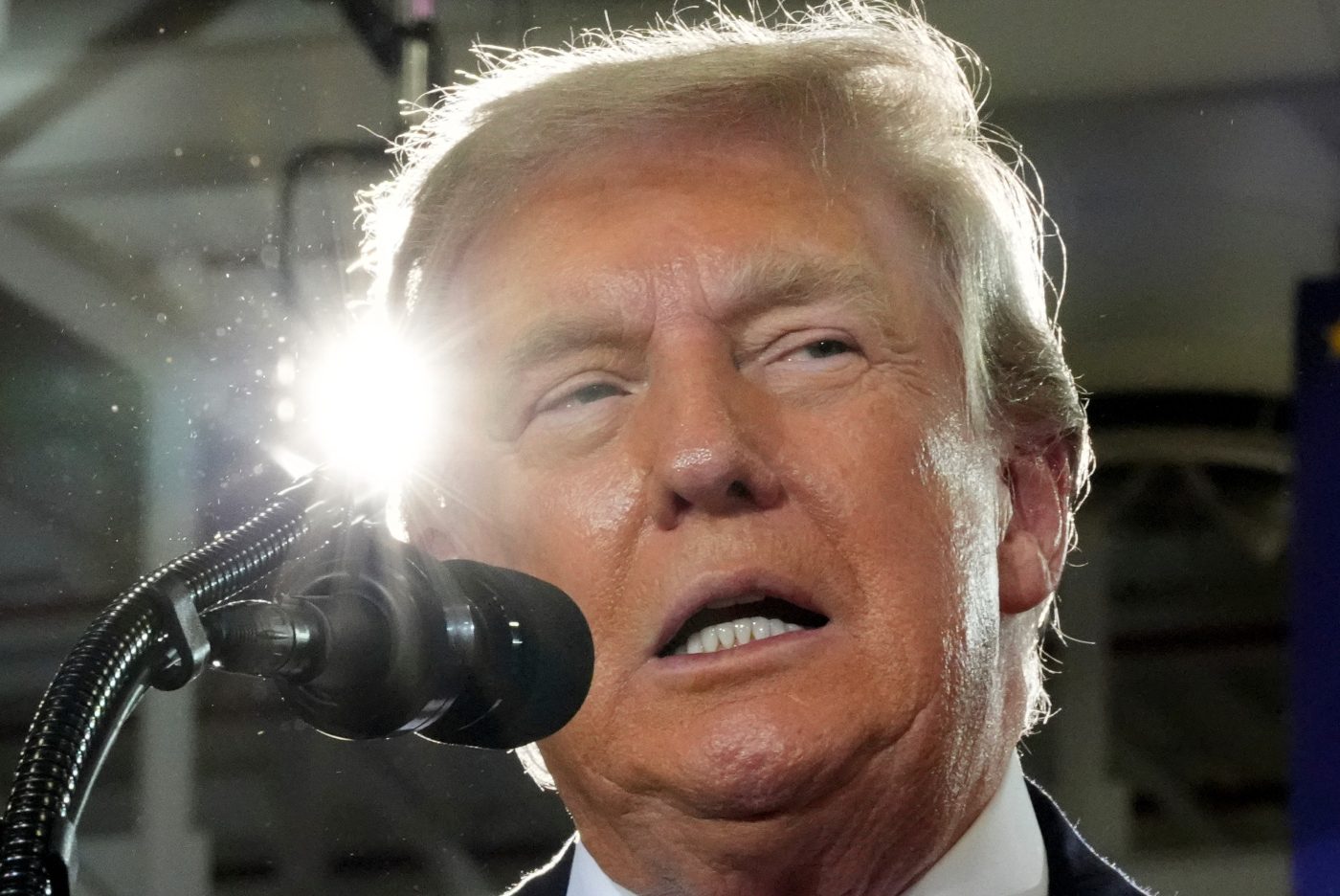
President Donald Trump addressed an audience at General Motors Proving Ground in Milford, Michigan, on July 27, 2026. He claimed Republican efforts in Washington had led to a booming auto industry. This statement puzzled many, considering the negative effects tariffs have had on auto industry suppliers. More than 60,000 jobs have been lost since 2025, including over 3,300 layoffs at General Motors in the previous year.
Earlier this year, Ford executives sought relief from tariffs that severely impacted sales of the F-150, a top-selling truck for decades. Following Trump’s move to cut tax credits for electric vehicles, Stellantis reported a $26.3 billion loss, its first since 2021. The reality for Detroit’s automakers contrasts sharply with Trump’s claims of success.
Trump’s comments during the speech displayed an apparent disregard for Detroit’s auto workers’ challenges. “I’ve done more for you than your parents,” he told GM employees. This assertion came despite a 3.5% decline in auto parts manufacturing jobs in the past year.
Central to Trump’s message was his refusal to acknowledge the adverse effects of his tariffs. The Supreme Court deemed these tariffs illegal, and they proved detrimental to an auto industry already recovering after difficult years. Trump’s focus remains on his landmark policy despite evident consumer dissatisfaction.
Public disapproval of Trump’s tariffs has grown. A Navigator Research survey in August 2024 noted disapproval from 35% of voters. By 2025, dissatisfaction rose considerably, and now nearly six in ten voters disapprove. More voters now “strongly disapprove” of the tariffs.
For Republicans in contested districts, Trump’s stance on tariffs poses political challenges. Marc Short, a Republican strategist, noted that Trump’s trade policy reversal reflects his approach. Recent Navigator data shows 52% of non-MAGA Republicans and independents disapprove of Trump’s tariffs, and they resonate with Democratic messages highlighting increased costs due to tariffs. Sixty-four percent found Democrats’ focus on affordability persuasive.
Trump’s decision to spotlight an unpopular issue in Detroit illustrates a disconnect with voters. The strategy of promoting unsuccessful tariffs confounds observers. In a typical administration, such missteps could lead to changes, but in this scenario, Trump himself may have endorsed it.
Democrats have an opportunity to highlight Trump’s impactful yet problematic tariff policies to voters. The upcoming election presents a chance for Americans to express their stance on these economic policies.