Wildfire Threats to U.S. Cultural Heritage Sites
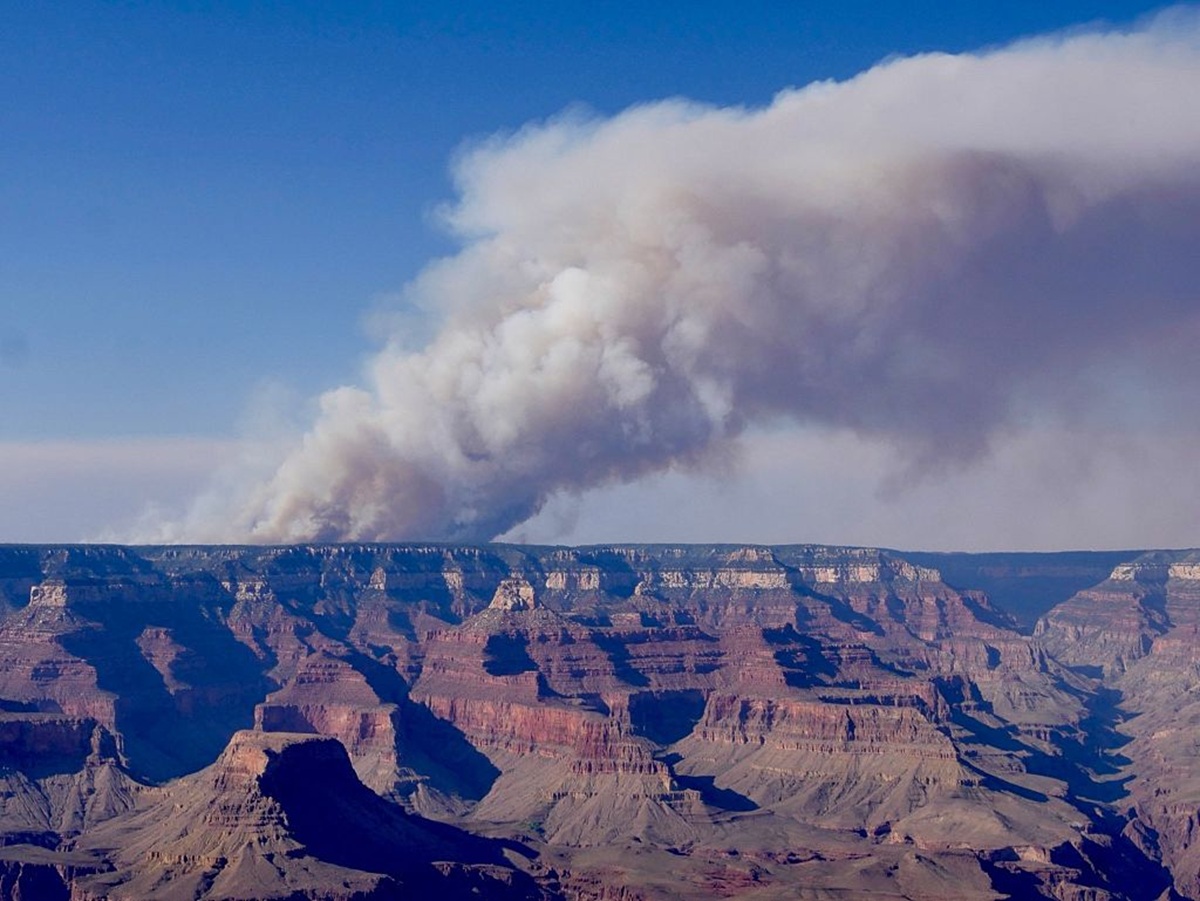
Research Reveals Wildfire Risks to Historic Sites
New research from the University of California, Santa Barbara’s National Center for Ecological Analysis and Synthesis (NCEAS) highlights that over half of the U.S. National Register of Historic Places face wildfire threats. Published in Scientific Reports, this study used wildfire burn probability models to assess 100,117 mappable sites. Of these, 3,446 are at severe risk.
The study emphasizes an urgent threat to cultural heritage, according to a university statement. Around 36% of the threatened sites hold national significance. Many face potential destruction as wildfires continue to impact culturally important areas across the nation.
Cases of Devastation
Recent fires have already destroyed important historic sites. For instance, the Palisades Fire in January 2025 razed the Will Rogers Ranch House. Similarly, the Andrew McNally House succumbed to the Eaton Fire. The Dragon Bravo wildfire also ravished the Grand Canyon Lodge at Grand Canyon National Park, a building dating back to 1927.
Caitlin Fong from NCEAS emphasized that such losses eliminate community anchors and historical value. Unlike residential properties, these sites cannot simply be reconstructed to restore their significance.
Architectural Vulnerabilities
Fire protection expert Kevin Feak highlighted that historic structures often face higher risks due to elements like combustible roofs and architectural details that invite ember entry. In wildfires, buildings often ignite from embers rather than direct flames.
The researchers identified a concentration of high-risk sites in the western U.S., with emerging hotspots in southeastern and south-central states. This mirrors historical wildfire patterns, particularly in California, Oregon, and Colorado.
Challenges and Mitigation Strategies
The study found that about 90% of listed resources are historic buildings and districts. These sites cannot be relocated, and their cultural significance is tied to their original structures. As a result, losing such sites means a permanent loss of heritage.
To mitigate these risks, the researchers suggest measures like vegetation management, structural hardening, and enhancing suppression capabilities on-site.
The Role of Climate Change
Climate change is likely to worsen wildfire risks, according to the study. Rising temperatures, more frequent droughts, and extreme fire weather expand hazard zones, potentially impacting even traditionally low-risk areas.
Earlier research aligns with these findings, indicating growing fire weather severity in numerous ecosystems globally. Some regions are already seeing increased occurrences of severe fires and extended fire seasons.
As climate shifts continue, the protection of historic landmarks becomes increasingly pressing. These cultural keystones face a mounting threat in a landscape reshaped by climate change.
References
- Farnisa, M. M., Halpern, B. S., Fong, C. R., et al. (2026). Wildfire Risk to United States Cultural Resources. Scientific Reports. Read here.
- Thapa, S., Maraseni, T., Apan, A., et al. (2026). Escalating Wildfires in a Warming World: A Systematic Review of Climate Change Influence on Fire Regime. Environmental Research: Climate. Read here.
- Haas, O., Prentice, I. C., Harrison, S. P. (2026). Wildfires on a Changing Planet. Nature Communications. Read here.