Pioneer Day in Utah: Celebrations and Historical Reflections
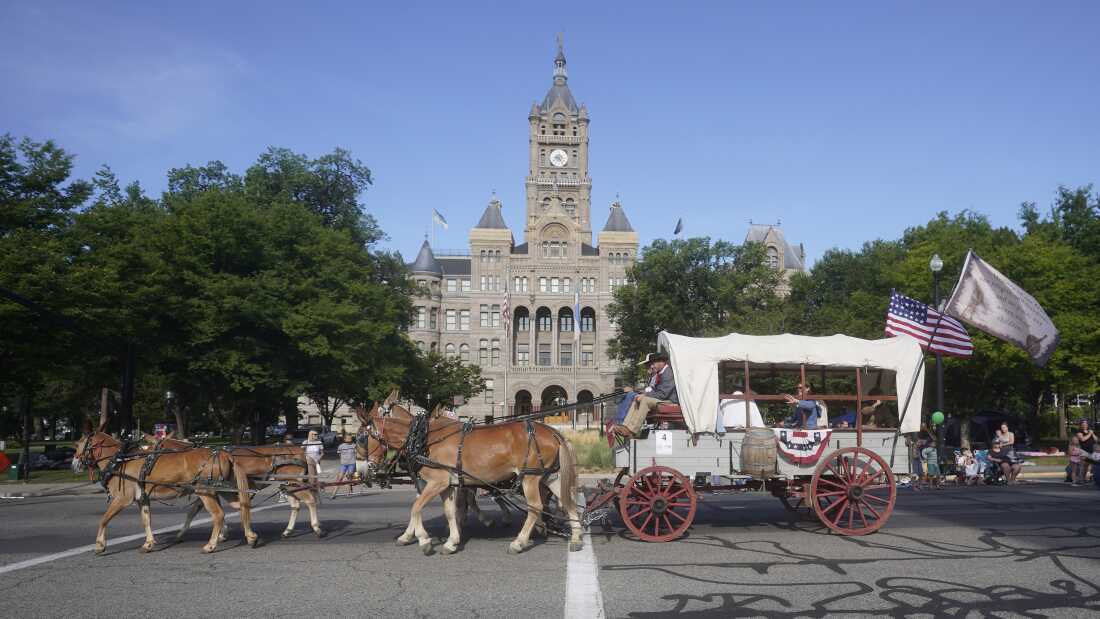
Pioneer Day is a cherished annual celebration in Utah, held on July 24. It features parades, fireworks, and rodeos, reminiscent of a local Fourth of July. The event commemorates the 1847 arrival of pioneers in the Salt Lake Valley. This settlement laid the groundwork for Utah’s statehood, offering a refuge to members of The Church of Jesus Christ of Latter-day Saints, also known as Mormons.
In Provo, this year’s festivities included a line dance to “Footloose” and lively conga lines. Celebrated musicians Ryan Shupe and Susie Brown performed, adding to the vibrant atmosphere.
While Pioneer Day is mainly festive, it also holds historical complexity. The arrival of settlers led to the displacement of Native American tribes in the region. One notable yet less discussed event is the 1850 Provo River Massacre. A February memorial walk by the Timpanogos Nation aimed to raise awareness about this tragic history.
Perry Murdock, a tribal council member, emphasized the enduring presence and spirit of his ancestors, as he performed traditional drum and vocal ceremonies to honor them.
A Historical Turning Point
A pivotal incident involved the killing of a Native man over a disputed shirt, which escalated tensions between settlers and the Native people. Historian D. Robert Carter, in his work “Founding Fort Utah,” recounts how disputes over resources led settlers to seek guidance from Brigham Young, their prophet and governor at the time. He instructed, “I say, go and kill them,” fueling further conflict.
Special orders were issued to local militia to ‘exterminate’ any Native people who resisted surrender.
This brought about a violent two-day conflict where one settler and at least forty Native people died. The Timpanogos Nation suggests the death toll may have been higher.
Seeking Recognition
Mary Murdock Meyer, the Timpanogos Nation’s leader, stated that the 1850 extermination order still affects their community today. She calls for an apology and official rescindment from the LDS Church and Utah’s governor.
Perry Murdock points out parallels between this order and the 1838 Missouri order against Mormons, highlighting the ironies of history.
The governor’s office and the LDS Church did not respond to interview requests. However, Utah House Minority Leader Angela Romero expressed willingness to start dialogue on offering an apology.
Provo Mayor Marsha Judkins has advocated for acknowledging these historical events, noting her personal connection to those involved in past conflicts. During the Pioneer Day celebration, she opened by recognizing these histories and invited Chief Meyer to speak.
This year’s Pioneer Day also brought awareness to many, including Sam Andersen, a recent graduate, who learned of the extermination order for the first time. Despite the discomfort it may bring, Andersen believes in embracing a comprehensive historical narrative to understand and learn from the past.