Exploration of Anthony Fauci’s Fifth Amendment Invocation and Its Implications
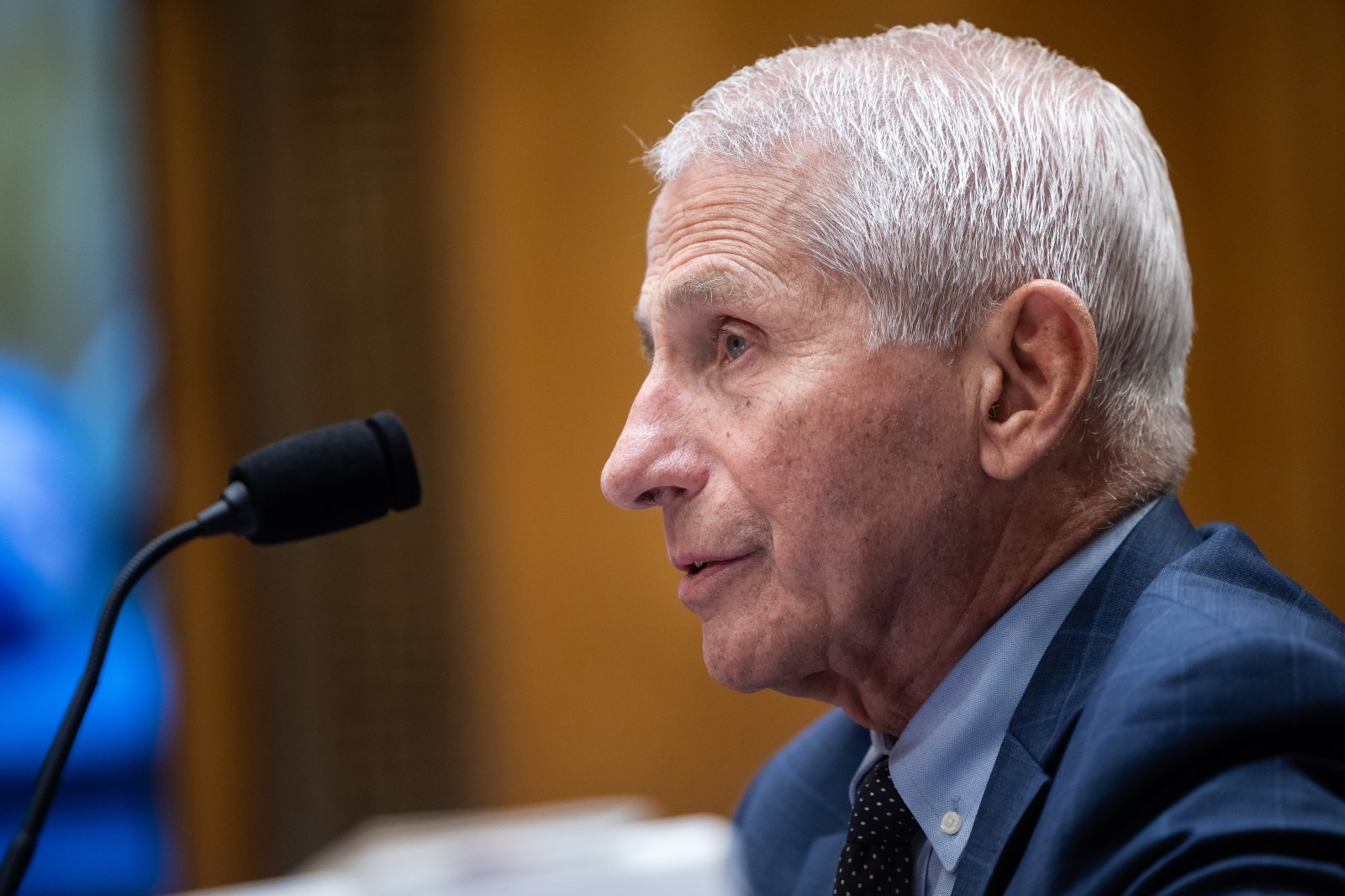
Anthony Fauci invoked his Fifth Amendment right against self-incrimination during a Senate testimony. This action prompted various interpretations and criticisms, particularly from Senator Josh Hawley, a Republican from Missouri who suggested that it indicated guilt.
Understanding the Fifth Amendment
The Fifth Amendment serves as a pivotal constitutional safeguard, protecting individuals from being forced to incriminate themselves. It allows them to refuse answering questions if the responses could lead to self-incrimination in criminal cases. Kimberley Wehle, a law professor, notes that invoking this right is often misunderstood as an admission of guilt; legally, this is not the case. Courts recognize it can be invoked for various reasons beyond criminal culpability.
David Super, a Georgetown professor, equates Fauci’s invocation during congressional testimony to former President Trump’s past use of the amendment. Invocations include witnesses, officials, or citizens when truthful answers may incriminate them. This protection applies in criminal investigations, civil proceedings, depositions, and congressional testimonies.
Trump’s History and Remarks on the Fifth Amendment
Donald Trump has invoked the Fifth Amendment frequently, including over 440 times during a 2022 deposition for Letitia James’ civil fraud investigation into the Trump Organization. He justified his use of it as necessary due to what he described as a politically motivated attack, even though he had earlier questioned why an innocent person would invoke this right.
Trump criticized Fauci for invoking the amendment, stating it was terrible. He had frequent disagreements with Fauci during the COVID-19 pandemic, distancing himself from Fauci’s influence and decisions in his administration.
Fauci’s Legal Position and Criticisms
Rand Paul subpoenaed Fauci to testify before a Senate committee, leading to sharp criticism from GOP members. Some view the hearings and subsequent investigations as politically motivated attempts to discredit and trap Fauci.
Fauci’s attorney claims his Fifth Amendment invocation is legally sound, preventing any risk of prosecution for Senate testimony discrepancies. Neama Rahmani, a former federal prosecutor, supports Fauci’s legal decision, suggesting the invocation protects him from federal charges related to pre-pardon activities.
Republicans, focusing on COVID-19 pandemic responses, plan to continue investigations, asserting unanswered questions about virus origins and federal policies.