Facing Osteogenesis Imperfecta: One Mother’s Journey
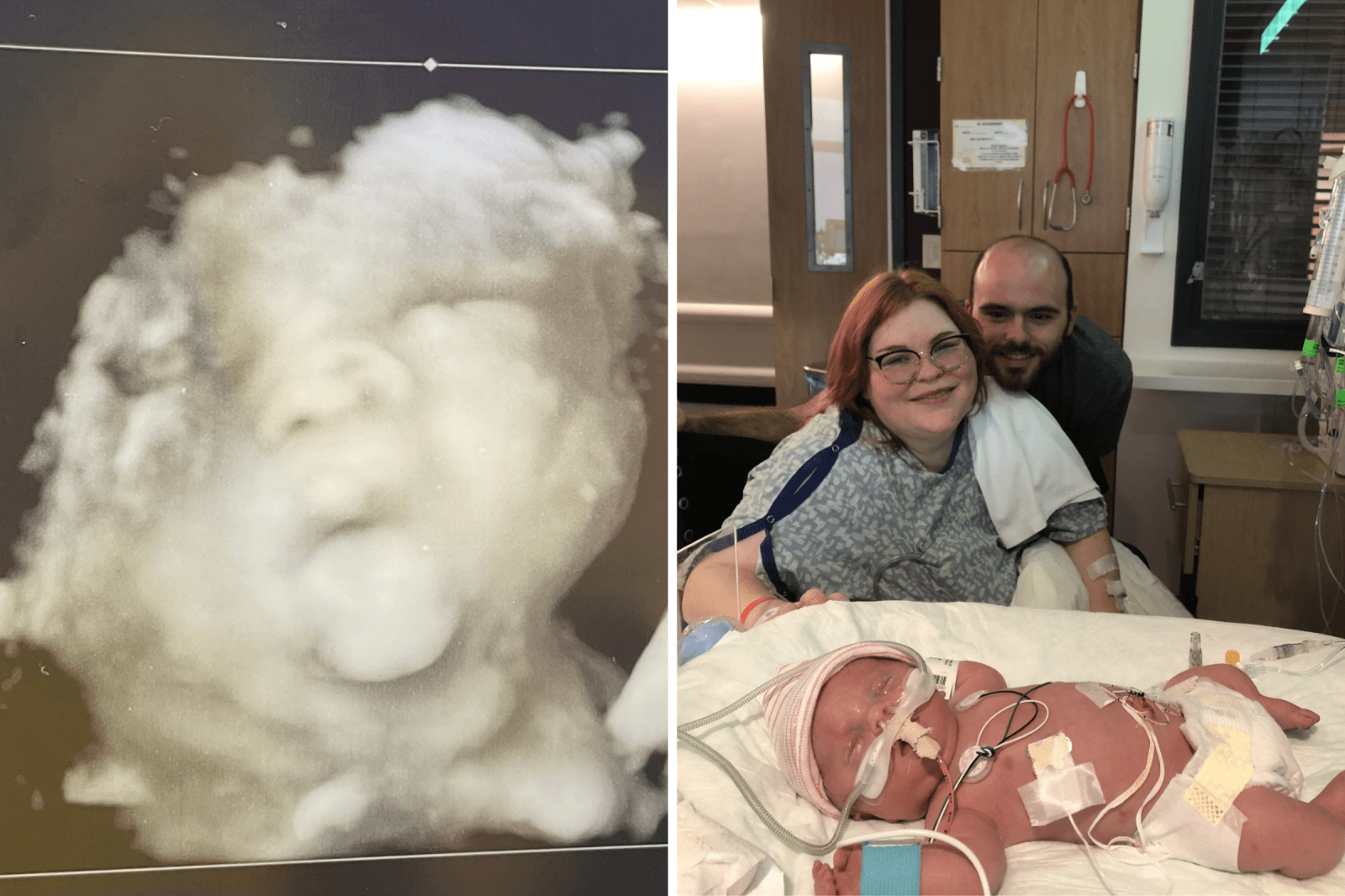
In late 2024, a personal revelation altered my life once again as I learned I was expecting my third child. This moment of anticipation was tempered by past sorrow, for my first baby had died in utero at around 18 weeks. Despite initial reassurance, a shadow of uncertainty always lingered over my third pregnancy. The reality of this fear struck during the 20-week anatomy scan when the results showed concerns with my baby’s bone development.
Her limbs measured significantly behind schedule, deviating by four to six weeks, and her skull shape appeared lemonsque instead of the typical round form. Confronted with these startling details, I sought clarity from my OBGYN. Suspecting osteogenesis imperfecta (OI)—a condition I believed took my first baby—I asked for insights. He proposed another form of skeletal dysplasia as the probable cause, leading to referrals for specialist diagnosis.
Upon consulting a maternal fetal specialist, the presence of fractures revealed the likelihood of OI, also known as brittle bone disease. This rare genetic disorder renders bones as fragile as glass. Faced with the specialist’s assessment, which deemed my baby’s case lethal, the proposed termination devastated me, plunging into profound depression.
I resorted to prayer and the internet during this turbulent period, reaching out to parents and individuals living with OI. Discovering their zest for life in their testimonies offered a beacon of hope, prompting my resolve to fight alongside my daughter if she was willing to fight for life.
A dedicated maternal fetal specialist collaborated with me to devise a safe cesarean plan. Implementing a method that minimized bone breakages, through previous C-section scars and meticulously incised uterine handling, provided the least intrusive birth solution.
On July 7, 2025, my daughter Dani was born, exhibiting a unique mutation on her COL1A2 gene’s 17th exon. My journey of resilience alongside Dani intensified as I advocated incessantly for her post-birth needs in the NICU. This included pressing for analgesics and treatments during her early painful weeks as doctors hesitated, opting to ‘wait and see.’
Dani’s birth mirrored medical predictions of an extreme case of OI, complicated by her dependence on oxygen, feeding tubes, and specific pain management due to incessant fractures. Initial diagnoses pointed towards severe form types. However, her condition could potentially align with moderate severity, suggesting manageable growth complications.
Her genetic lineage revealed probable inheritance patterns, linking back to relatives impacted by OI, including my late firstborn. The milder form manifestation relatively spared me, evident in only minor bone injuries and inherited hyper-mobility attributes.
Dani’s routine encompasses typical infant care routines adjusted for her condition’s requirements. Sensitive handling across all tasks, from diapers to hair brushing, exemplified her tailored caregiving approach.
The journey includes grappling with severe bone fragility and multiple medical complexities. Her skull’s Wormian bones presented skeletal deformities threatening brain exposure without protective bone presence. Additionally, Dani’s scoliosis and deformities further complicated potential walking aspirations.
Detractors may perceive a life with OI as unendurable, but Dani’s constant joy defies these assumptions. Although lagging in physical milestones, she thrives through therapies suitable for developmental encouragement, aided by adaptive equipment like medical strollers and pediatric wheelchairs.
In home care, Dani’s breaks are stabilized with soft casts, adhering to household norms ensuring her safety by minimizing hazards posed by environmental interactions.
Despite initial fatality forecasts, Dani proves skeptics wrong, reflecting joy as she meets challenges, often exceeding expectations. Her case shines a light on OI, bringing crucial awareness to this rare yet misunderstood condition.
To parents confronting similar diagnoses, informed decisions become vital. Misinformation from varying sources, including professional opinions, may cloud judgment. If a mother, lacking confidence in accommodating such life, chooses differently, I respect their choices. Nevertheless, armed with accurate information, mothers deserve empowerment over misleading narratives.
Strengthened by faith, my spiritual transformation followed Dani’s diagnosis, guiding me through devotion. Committed to raising awareness, I document Dani’s journey on social media to shed light on OI and provide educational insights into its complexities.