Russia’s Strategy Evolution in Syria: From Military to Economic Influence
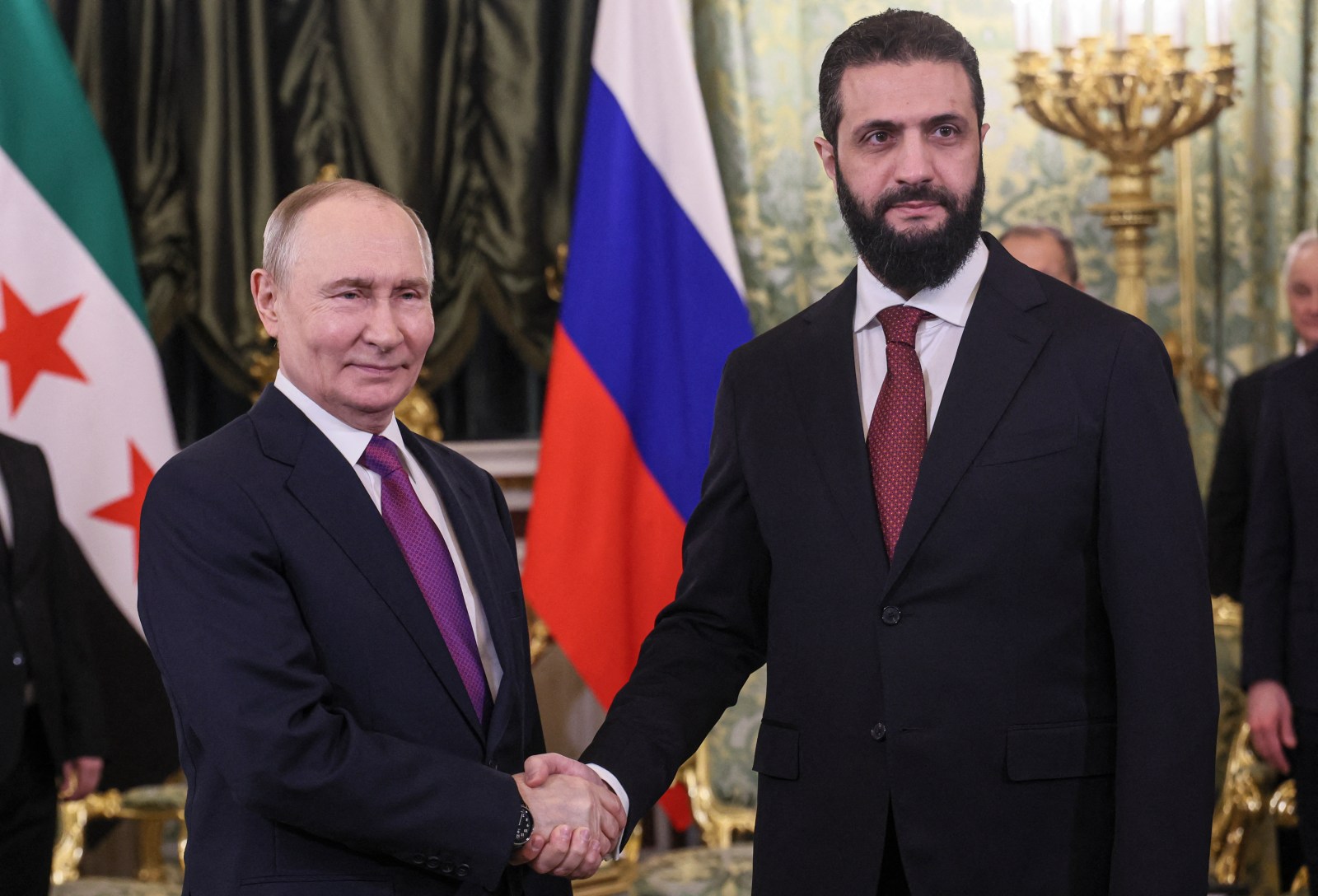
In recent years, the narrative has shifted regarding Russia’s involvement in Syria, particularly following the political changes in Damascus in 2024. Many initially believed Russia would lose influence after the collapse of Bashar al-Assad’s regime, especially with the rise of Hayat Tahrir al-Sham. Despite these predictions, Russia’s strategic presence appears far from declining.
A detailed study by the Institute for National Security Studies, Israel’s leading think tank, highlights how Moscow has successfully reinforced its ties to Damascus. This success is rooted in persistent diplomacy, including shipments of essential goods like wheat and fuel, as well as increased diplomatic engagements.
Confidence-building steps were taken from the early months of Ahmed al-Sharaa’s rule, including shipments of wheat and fuel; diplomatic outreach and high-level delegations.
Importantly, Russia is now offering solutions to Syria’s military challenges. This support includes military training and arms provision, alongside potential deployments to aid Syrian forces, echoing Moscow’s previous support for the Assad regime.
Russia’s efforts have grown even more ambitious, paving the way for a significant commercial logistics hub at Tartus, a Russian-leased port. This hub is envisioned to move 250,000 tons of Russian goods monthly, initially focusing on grain shipments and eventually forming a direct link to the Russian Black Sea port.
Such plans indicate a strategic shift from the previous military dependency to a broader economic engagement. By embedding itself in Syria’s economic recovery, Russia is building relationships resilient to political changes in Damascus.
Already, Syria heavily relies on Russia for essential goods, importing about 85% of its wheat from Russia. This dependency extends to energy; post-Assad, Damascus increased crude imports substantially—Russia now plays a key role in Syria’s oil supply.
The envisioned logistics hub aims to institutionalize these dependencies, positioning Russian goods as central to Syria’s reconstruction and commercial activities.
For the United States and allies, Russia’s strategic maneuvers in Syria are significant. The Trump administration has sought to engage Syria’s new leadership through diplomatic and economic avenues, including lifting sanctions like the Caesar Act, aiming to align Syria with Western interests.
Russia’s deepened involvement, however, suggests a different future for Syria, potentially diverging from what Washington envisions.