Illinois Residents to Receive State-Funded Payments Amid Federal SNAP Cuts
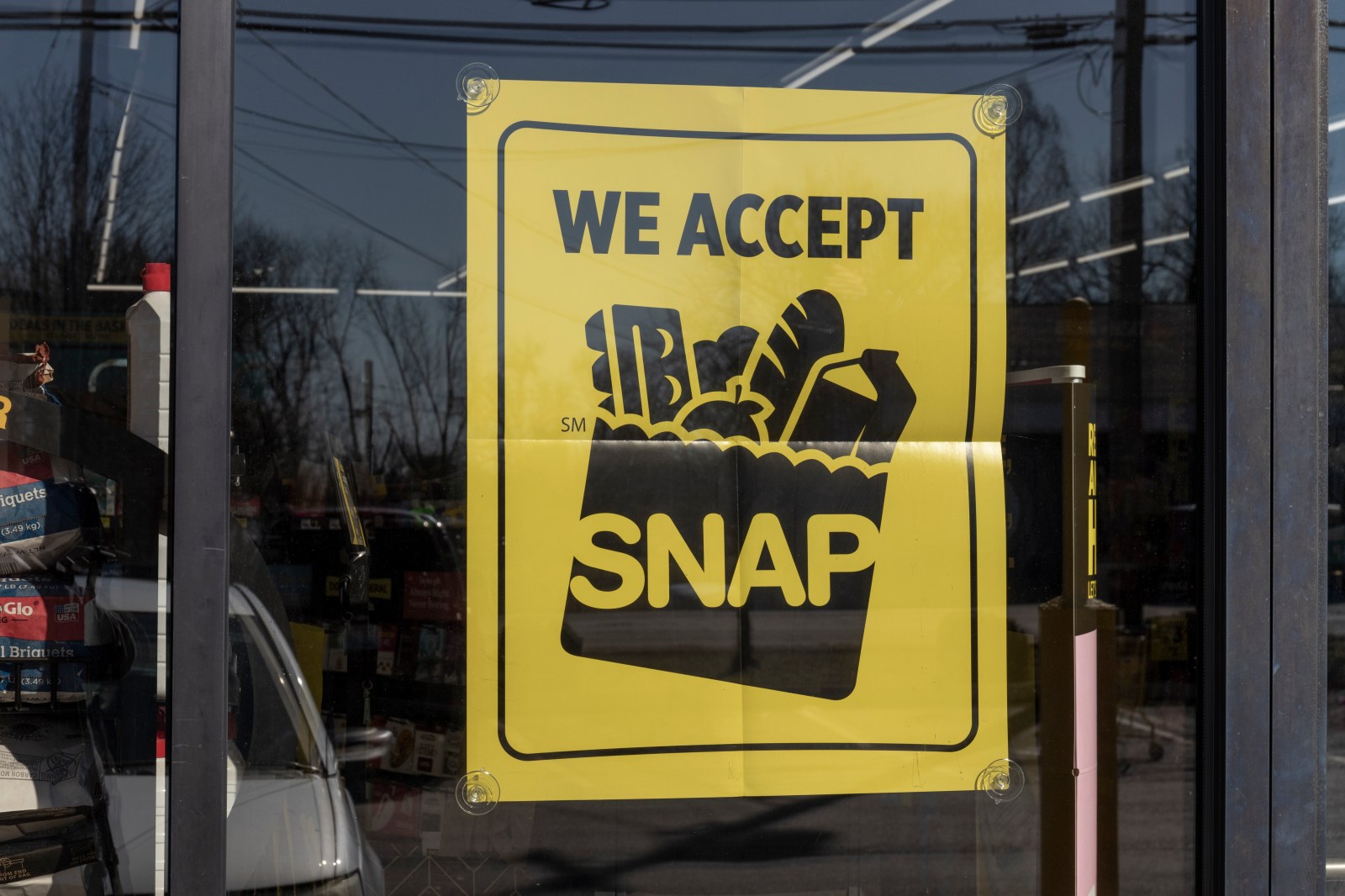
Starting August 1, Illinois residents who lost federal food assistance due to expanded work requirements will receive one-time payments of $400. This measure aims to mitigate the effects of recent changes to the Supplemental Nutrition Assistance Program (SNAP). The state-funded program called Families Receiving Emergency Support for Hunger, or FRESH, will distribute up to $70 million to eligible residents automatically, with no application needed.
Governor JB Pritzker emphasized the necessity of the initiative following federal changes that led to the loss of grocery assistance for thousands in Illinois. Nationwide, millions have lost benefits since the enactment of the One Big Beautiful Bill Act in July 2025, which altered SNAP requirements.
“At a time when the cost of groceries, gas, and utilities are all rising, Donald Trump and Republicans decided to strip food assistance from nearly 100,000 people,” Pritzker stated in a news release.
How the Illinois Payments Will Work
Known as food stamps, SNAP provides monthly grocery assistance to low- and no-income households. Under the FRESH program, the Illinois Department of Human Services will automatically identify eligible residents. Each qualifying household will receive a notification before $400 per eligible member is added to their Illinois Link card. For those without a Link card, a replacement can be requested before payment.
The initial deposits will go to households with members who lost SNAP benefits between May 1 and August 1. Payments for this group will begin on August 1. Individuals losing benefits after this date will receive payments after the 16th of the month in which their SNAP assistance ends. The distribution will continue until the allocated $70 million is exhausted.
“Trump’s SNAP cuts are having real, dire consequences for families across Illinois,” said Lieutenant Governor Juliana Stratton. “The FRESH program is one more way Illinois is stepping up to help families weather rising costs while supporting a food system that serves us all.”
Receiving FRESH payments will not impact eligibility for other programs like Medicaid, Temporary Assistance for Needy Families, or AABD Cash.
SNAP Participation Falls by Millions
The Illinois initiative comes as SNAP enrollment sees a significant decline. According to the U.S. Department of Agriculture, participation dropped from about 42 million people in early 2025 to just over 37 million by April 2026, representing a decrease of around 5 million recipients.
The decline is attributed to the One Big Beautiful Bill Act, or H.R. 1, signed by President Donald Trump on July 4, 2025. Key changes included expanded work requirements for adults up to age 64. Adults identified as Able-Bodied Adults Without Dependents must meet work or training activities to maintain eligibility.
Exemptions previously extended to some veterans, homeless individuals, and former foster youth were also removed. Caregiver protections were decreased to include parents of children aged 14 and older under the work rules.
A USDA representative stated that enrollment figures regularly fluctuate for various reasons, and should not be solely attributed to the new legislation. “SNAP is a means-tested, appropriated entitlement. If a household is eligible, they receive the benefit.”
What Are Other States Doing?
Illinois is unique in using state funds to compensate residents impacted by federal work rules. Other states have focused more on ensuring understanding of the requirements and supporting qualification through various means.
California: Allotted $39.9 million for technology changes and outreach linked to the new SNAP rules, aiding recipients in determining their subject status to work requirements or exemptions. Proposed funds will aid county staff, automation, and case reviews.
Maryland: Established an information hub and expanded its SNAP Employment and Training network, offering job training and support to help regain or retain eligibility.
New York: Offered guidance on maintaining benefits under expanded rules. Encouraged local employment and training partnerships with services like transportation and child care.
Washington: Proposed a “No Wrong Door” system connecting SNAP and Medicaid work requirements with employment services, though funding was not secured.
Arizona: After losses and document issues, Arizona increased eligibility staff and external call center use to improve response times. However, no replacement payments were offered.
While these efforts might reduce administrative errors or aid in requirement compliance, none match Illinois’s automatic payment offer.