Breast Cancer Risk in Women with Negative BRCA Tests
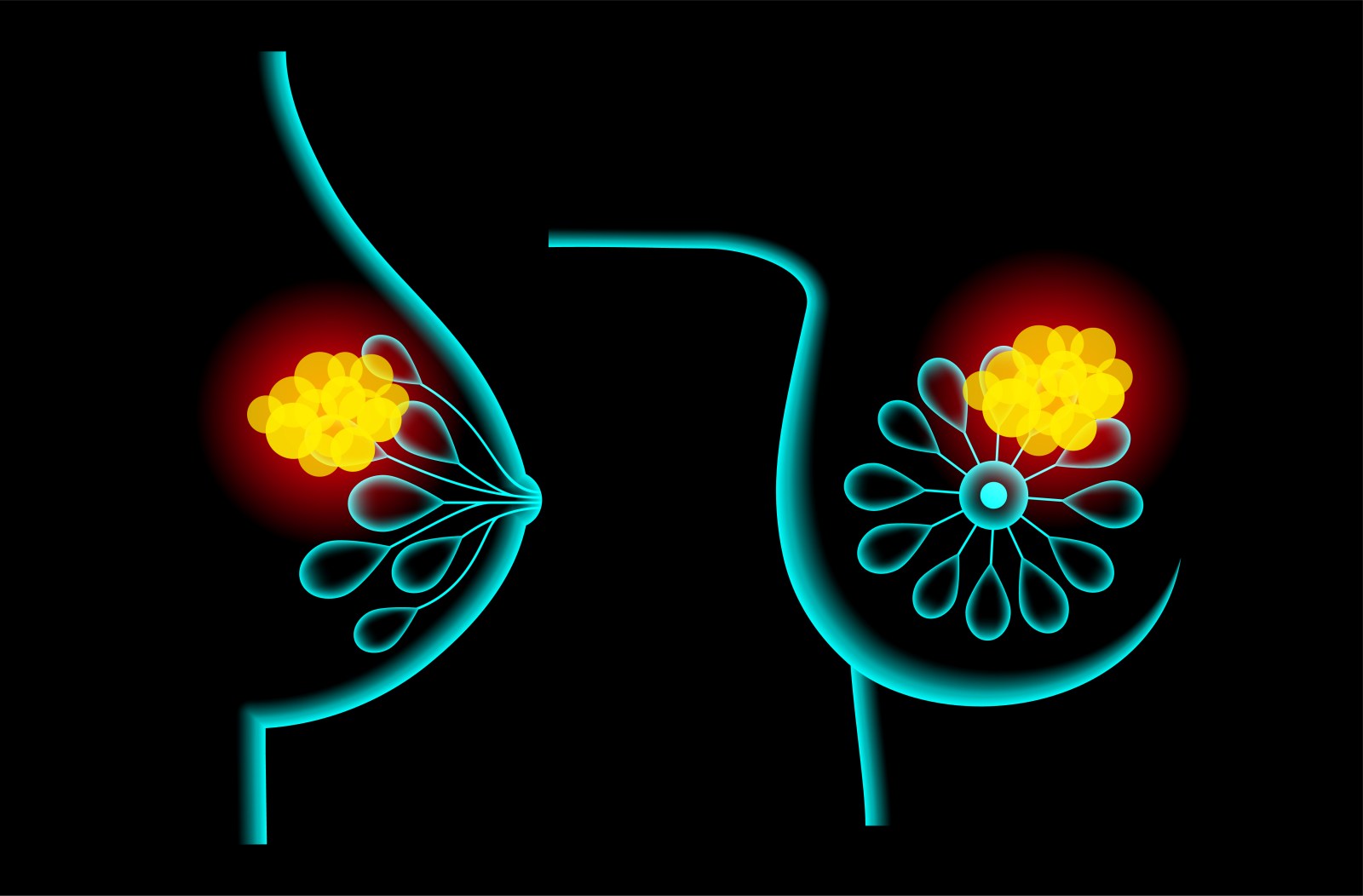
Women with a family history of breast cancer may face a higher risk of developing the disease, even if they test negative for BRCA1 and BRCA2 gene mutations, according to a new study. These genes are linked to hereditary cases of breast cancer, which account for up to 10 percent of all cases, as stated by the American Cancer Society.
Women with BRCA mutations typically have a higher lifetime risk of breast cancer, are more likely to have cancer in both breasts, may be diagnosed at a younger age, and face increased risk for other cancers such as ovarian cancer. However, new research led by Cedars-Sinai Health Sciences University suggests that even women who test negative for these mutations, but have a family history of the disease, remain at a higher risk compared to the general population.
Dr. Fahima Dossa, surgical oncologist at Cedars-Sinai Cancer, emphasized to Newsweek the limited understanding of future cancer risks for women with strong family histories who test negative or receive a variant of unknown significance (VUS) result. The study revealed these women possess an elevated breast cancer risk, albeit not as high as those with positive test results.
The research involved nearly 16,000 women who underwent BRCA testing in Ontario, Canada, from 2007 to 2016. Findings showed a 25 percent lifetime breast cancer risk among those who tested negative for the mutations. In contrast, women with a VUS result had a 30 percent risk. This is significantly higher than the general population’s risk, estimated at 13 percent by the National Cancer Institute.
Women testing positive for BRCA mutations faced a 30 to 70 percent risk. Additionally, the study published in JAMA Network Open underscored the crucial impact of family history on breast cancer risk. For instance, those testing positive faced a 56 to 86 percent likelihood of breast cancer, influenced by the number of relatives with breast or ovarian cancer.
Dossa noted the study as a starting point for discussions on risk-reducing strategies, such as high-risk screening, chemoprevention, and surgery, tailored to individual cancer histories. Future research aims to evaluate cancer risk over time, influencing decisions on preventive surgery and the need for monitoring cardiovascular risks potentially linked to BRCA mutations.
Kotryna Temcinaite from Breast Cancer Now highlighted the importance of regular self-examinations, seeking medical advice upon noticing changes, attending screenings, and adopting healthier lifestyles to reduce breast cancer risk. These include limiting alcohol intake, maintaining a healthy weight, and regular physical activity.
Dossa F, Metcalfe K, Ante Z, et al. Breast and Ovarian Cancer Among Individuals Undergoing BRCA1 and BRCA2 Testing. JAMA Netw Open. 2026;9(7):e2626334. doi:10.1001/jamanetworkopen.2026.26334