Sisters Face Rare Heart Disease With Shared Determination
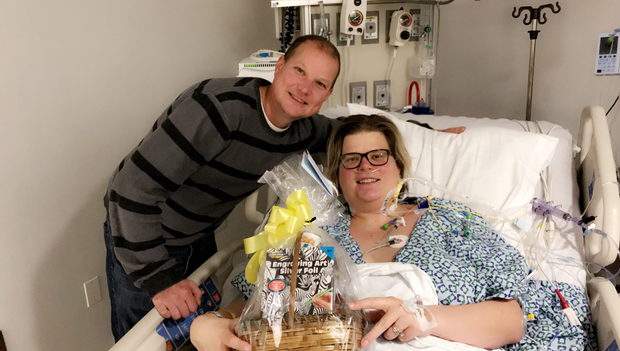
Megan Kaverman faced mysterious health issues from a young age. At 18, she noticed weight gain and difficulty breathing. Her family doctor couldn’t diagnose the problem. By 25, severe fatigue and breathing troubles arose. Her primary care physician focused on her weight, without explaining why these issues occurred. A doctor’s advice to eat less pizza didn’t resolve her high blood pressure, dismissed as anxiety. Emergency room visits yielded no diagnosis. Doctors thought her heart issues were unlikely due to her age.
In 2016, at age 27, a visit to the emergency room revealed Kaverman was in early heart failure. Determined to get answers, she stayed in the ICU. Intensive tests identified her condition as heritable pulmonary arterial hypertension, a rare heart disease. She viewed this diagnosis as a turning point and sought treatment at the Cleveland Clinic to regain her daily life.
Two years later, Kaverman saw symptoms in her sister, Katie Gusching. After having her first child at 32, Gusching experienced breathing difficulties and leg swelling. Vision issues led to emergency checks that noted high blood pressure. Kaverman urged her to inquire about pulmonary hypertension. Tests revealed the same disease. Gusching credits her sister’s journey with saving her life.
Heritable Pulmonary Arterial Hypertension
Heritable pulmonary arterial hypertension is a genetic disorder. Mutations cause lung arteries to narrow. This increases blood pressure, making the heart work harder, which might lead to heart failure. According to Orphanet, this form represents less than 4% of cases, with fewer than one in 1 million diagnosed. Approximately 70% of patients learn of it when heart failure occurs. Though incurable, medication and treatment can manage it.
Gusching initially grieved her diagnosis, mourning activities like hiking and swimming. Dealing with medications and insurance demanded endurance. Throughout, Kaverman’s support remained crucial. “It’s good to have someone close share this journey,” says Kaverman. Both receive treatment at the Cleveland Clinic and engage in clinical trials, providing hope with developing care options.
Advocacy and Support
Both sisters advocate for pulmonary hypertension awareness. Kaverman encourages individuals with unresolved cardiac symptoms to discuss the disease with their doctors. “I aim to raise awareness to save lives,” she says. Kaverman’s and Gusching’s conditions are stable. Gusching recently returned to hiking and Kaverman now runs 5Ks without breathlessness. They’re planning a trip to the Dominican Republic for Gusching’s birthday.
Challenges persisted, but benefits emerged. The sisters coordinate Cleveland Clinic visits to carpool and share results. “We always shared a lot, and this journey brings us closer,” says Kaverman.