The Dodgers’ Gondola Controversy: A Closer Look
Dodgers’ World Series Prospects and Gondola Proposal
As August arrives and we approach fall, two pressing questions consume Dodgers fans. Will the Dodgers secure a third consecutive World Series championship? And will the proposed $500-million gondola project to ferry fans from Union Station to Dodger Stadium succeed or falter?
While the prediction for a World Series win remains uncertain, former Dodgers owner Frank McCourt faces growing opposition for his gondola initiative. This proposal is intended to transport fans over L.A. State Historic Park, potentially removing trees and redesigning the community-influenced space. Seven former state park officials and four ex-members of the state Park and Recreation Commission now contest this plan.
“Gondola cars encased in digital ads, flying 26 feet overhead every 25-30 seconds would irreparably impair the vista, and the sense of calm and escape from urban life,” noted Ruth Coleman, a former state parks director.
Four former commissioners jointly protested the private development’s encroachment upon the park’s integrity.
State Park Amendment and Upcoming Hearing
The state’s consideration of an amendment allowing review of the gondola project has sparked their advocacy. McCourt initially envisioned the gondola in 2018, leveraging his influence. Though he delegated the project to an environmental group, his financial interest in Dodger Stadium remains.
With a fall hearing scheduled, tensions are high. December’s raucous Metro board meeting saw supporters and opponents clash, ultimately granting approval amidst L.A. City Council’s opposition. The fall meeting promises as much intensity as the World Series.
Evaluating the Impact and Intent
Proponents label this venture as a public transit solution, forecasting relief for traffic issues through fan transportation. Yet, skepticism surrounds these claims, given existing shuttle buses.
Moreover, colleague Bill Shaikin previously questioned if this gondola represents a first step toward commercial development around the stadium. Despite Dodgers’ support, doubts persist.
McCourt suggests private funds could erect the gondola, supported by advertising sales, ensuring free rides for ticket holders. However, financial feasibility remains unclear, especially with stadium closures and diminishing parking revenues.
Concerns Over L.A. State Historic Park
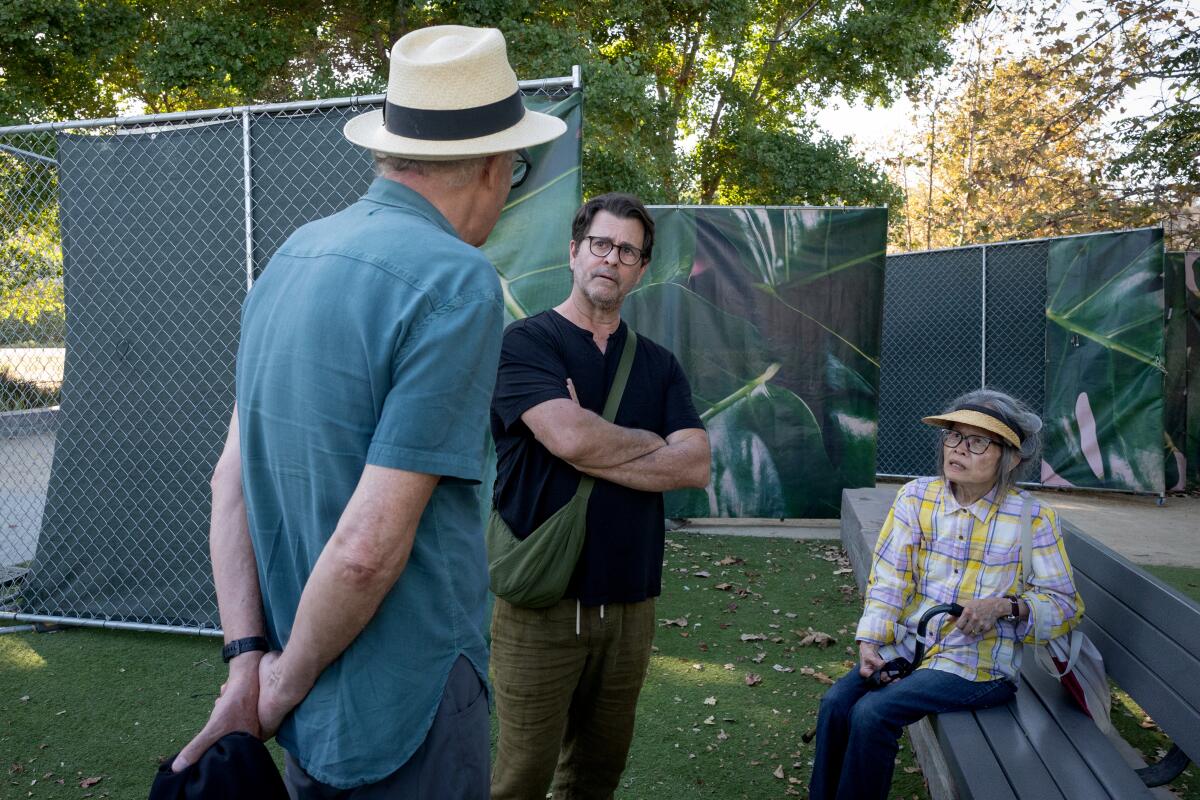
The gondola’s opponents include Chinatown residents, wary of residing under amusement park-like structures. Equally troubling is the park’s potential impact, emphasized by Sean Woods and Susan Lai of Friends of Los Angeles State Historic Park.
Lai, guided by archaeological insights, asserts McCourt’s lack of historical, community, or cultural ties to the park. A fiery advocate, she echoes her husband’s ambitions, inspiring opposition among younger generations.
With Jon Christensen joining Lai and Woods, the park’s vital role surfaces, appreciated for its spontaneous activities and clear skyline views. These elements risk erasure, underscoring the profound implications of elevated Dodgers patrons overlooking a community park.
The gondola venture’s absence could preserve this vista, leaving Dodger Stadium drama and gondola prospects in the air.