Smart-Home Surveillance in Real Estate
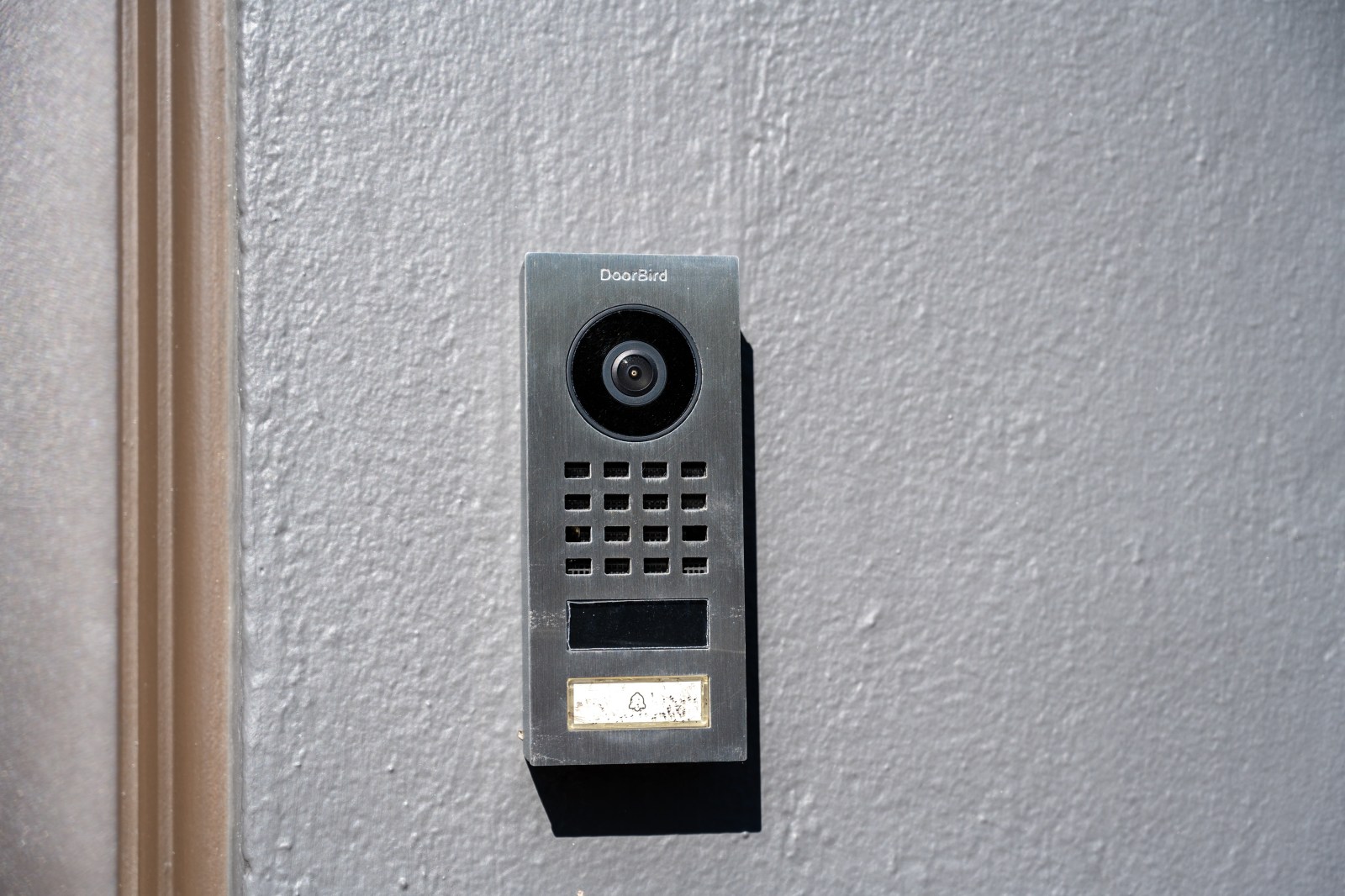
Smart-home technology has become more prevalent, leading some home sellers to use cameras and recording devices to monitor potential buyers during property tours. This practice allows sellers access to conversations and reactions buyers may assume are private.
A survey conducted by LendingTree in June 2026 with 2,000 consumers revealed that 56% of home sellers reported using hidden cameras while buyers viewed their homes. Conversely, 72% of buyers believed they were watched during a home tour. This indicates growing tension in the real estate market; sellers are using new tools to protect properties and gather information, while buyers are concerned their private discussions, including impressions and negotiating strategies, might be recorded.
Greg Field, a specialized Solar Home Realtor® with HomeSmart Realty Pros in Tempe, AZ, explained that modern smart doorbells capture audio clearly from 50 feet away, suggesting that buyers should consider themselves in a reality show.
Reasons Sellers Use Surveillance
The primary reason sellers cite for using cameras is protection, at 61%. Many sellers admitted to using cameras to monitor potential buyers as they toured the property. Other reasons included understanding buyers’ preferences (19%) and gaining insights into buyers’ interests or agents’ comments (18%).
Cara Ameer, an agent with Coldwell Banker licensed in California and Florida, advised that today’s homebuyers should assume they are being recorded during tours and behave accordingly.
Impact on Buyer Behavior
The possibility of surveillance alters how buyers approach property showings. Real estate agents advise clients to be cautious about what they say indoors due to uncertainty about recording devices. Buyers may prefer to discuss their feelings about a property outside the premises. Cameras have led 19% of buyers to leave a showing or open house due to discomfort, while 18% opted not to make an offer as a result.
LendingTree reported that 64% of recent buyers worry about sellers recording them. More than 1 in 5 recent buyers avoided discussing budget or offer strategy (22%), hid excitement (22%), or refrained from voicing dislikes (21%) due to recording concerns.
Legal Considerations
Recording buyers without consent raises privacy issues. Laws vary by location regarding what can legally be recorded during home tours. Video surveillance inside homes is common, but audio recording poses legal challenges. Without knowledge or consent about audio recording, serious legal issues arise, potentially including wiretapping violations.
Video surveillance regulations differ from those for audio recording. Sellers who capture sound may face stricter legal scrutiny. Real estate professionals often suggest sellers disclose surveillance devices and recommend buyers assume conversations could be overheard.
For buyers, preserving detailed discussions about price and strategy for post-tour settings can be the safest approach in the connected housing market. Open houses might serve not only for buyers to assess properties but also for sellers to evaluate buyers.