Somali Piracy Resurgence Linked to Iran Conflict
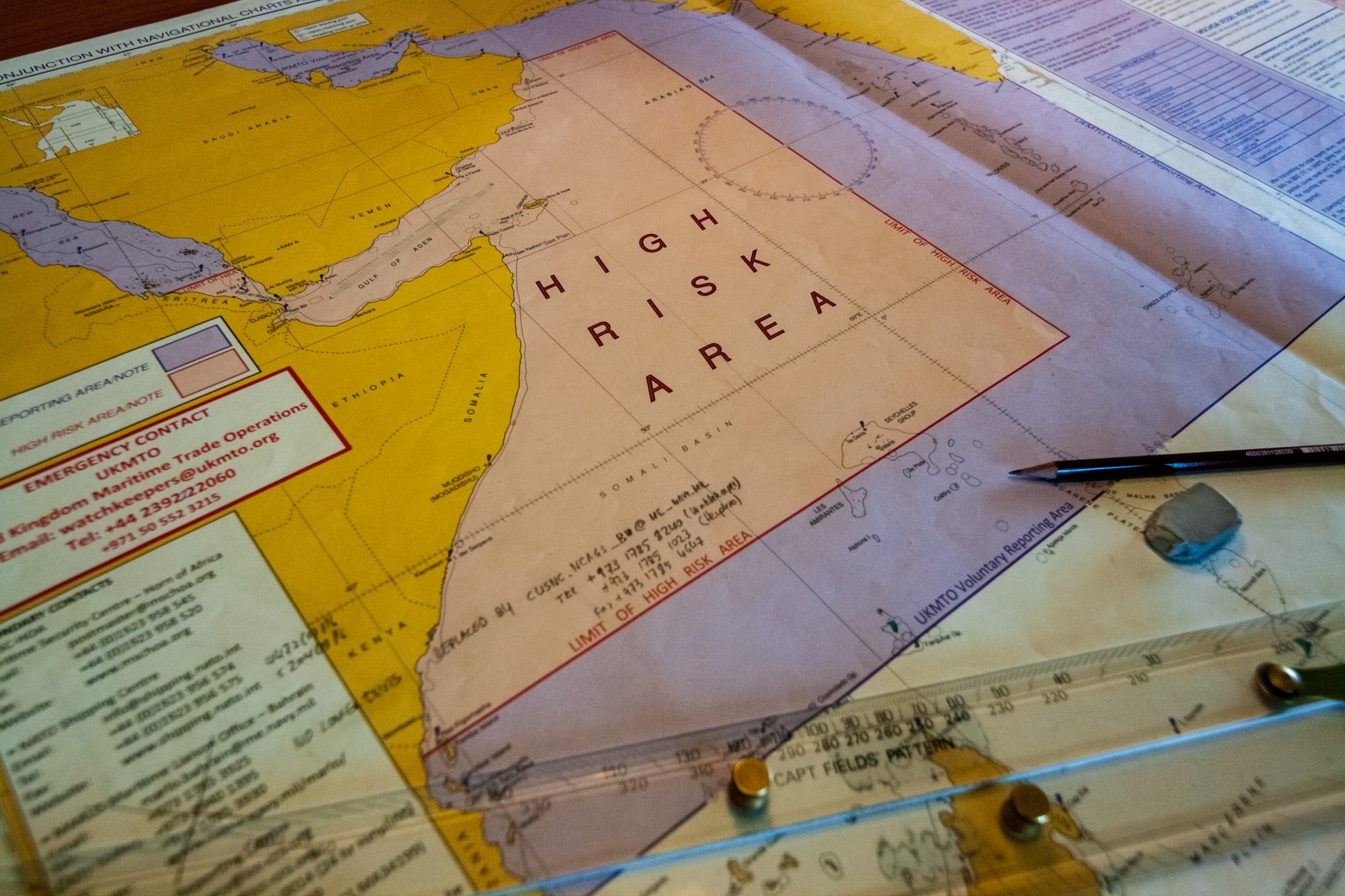
Off the coast of Somalia, piracy remains a significant threat, particularly as the Iran conflict has spread its influence down the Red Sea to areas like the Gulf of Aden. In April and May 2026, four vessels were captured by Somali pirates, including the Togo-flagged oil tanker Eureka, which was held for a $10 million ransom. This piracy is not random—it operates under a strategic framework likely supported by Iran.
Recent reports indicate collaboration between Yemen and Somali-based militants, as evidenced by meetings in 2024. Somali groups agreed to intensify piracy in exchange for weapons and training from Yemen, which is closely linked to Iran. This connection underscores a broader strategy of maritime disruption.
The deputy intelligence director of the Puntland Maritime Police Force confirmed in January 2026 that Somali pirates now utilize advanced equipment, suggesting a well-supported operational network. This is not solely a regional security issue but also a concern for weapons proliferation with roots in Tehran’s influence.
While the U.S. has monitored missile threats in the Bab el-Mandeb Strait, the piracy resurgence demands a similar level of concern and action. Somali piracy peaks economically impacted in 2011, costing about $7 billion in insurance, ransoms, and security measures. While reduced by naval pressure, piracy incidents began increasing again, with 137 cases reported in 2025.
The piracy issue also extends beyond Somalia, as weapon distributions threaten broader East African stability—a region where the U.S. retains strategic interests and military commitments. The pipeline from Iran through Yemen to Somali pirates serves multiple illicit functions, including sanctions evasion and arms distribution.
The situation in the Red Sea-Horn corridor is integral to Iran’s low-cost warfare strategy, aiming to disrupt shipping and strain international naval capabilities. The U.S. must re-evaluate its approach to include the piracy network tied to Iranian resources. Operation Prosperity Guardian, primarily missile-focused, does not adequately address this hybrid piracy threat.
An interagency review of the arms trafficking from Yemen to Somalia is essential to understand its financial and strategic dynamics. Furthermore, applying sanctions to financial flows related to piracy can disrupt the economic benefits driving this practice. Reinforcing naval presence in the Gulf of Aden as a proactive measure, rather than reactive, is a lesson learned from past experiences.
The resurgence of Somali piracy aligns with state sponsorship patterns, emphasizing the need for comprehensive action beyond treating individual incidents as isolated crimes. Ultimately, addressing this dual threat—both regional instability and Iran’s extended influence—demands coordinated and sustained pressure similar to prior successful efforts.
Siyad Madey, a Nairobi-based legal practitioner and policy analyst, emphasizes the complexities of Horn of Africa geopolitics and the strategic challenges within the Red Sea security landscape. His insights contribute to understanding the current dynamics influenced by Iran in the region.