Exploring Indigenous Photography and Its Impact
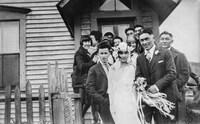
Understanding Indigenous Imagery
Imagery of Indigenous life in America often appears romanticized and staged. These images are typically rooted in the past, offering a frozen portrayal rather than a dynamic representation.
Historically, photographers outside the Indigenous community have predominantly created these images. This has resulted in a portrayal that lacks authenticity and personal perspective.
A Shift in Perspective
When Indigenous people take control of the camera, the narrative shifts significantly. This transition provides a unique opportunity to see Indigenous life through the eyes of the community itself.
Photos captured by Indigenous photographers tend to reveal a more genuine representation of their culture and experiences. They move beyond static depictions to portray real-life moments and stories.
Impact on American Consciousness
Indigenous photographers challenge the pervasive myths embedded in American consciousness. Their work questions the stereotypes and presents a clearer image of their identity and presence.
By redefining the visual record, Indigenous photographers contribute to a broader understanding and appreciation of their culture. Their photography brings fresh perspectives and fosters dialogue about the past and present of Indigenous life.
“Photographs have the power to challenge historical narratives and correct misconceptions by showcasing the everyday lives and richness of Indigenous cultures.”
Future Perspectives
The growing influence of Indigenous photographers promises to reshape perceptions even further. As more Indigenous artists gain prominence, their work will continue to enrich cultural narratives.
Supporting Indigenous voices in photography can lead to widespread cultural appreciation and mutual understanding. It will inspire others to seek authenticity and question long-held myths.