U.S. Strategy to Secure Critical Supply Chains
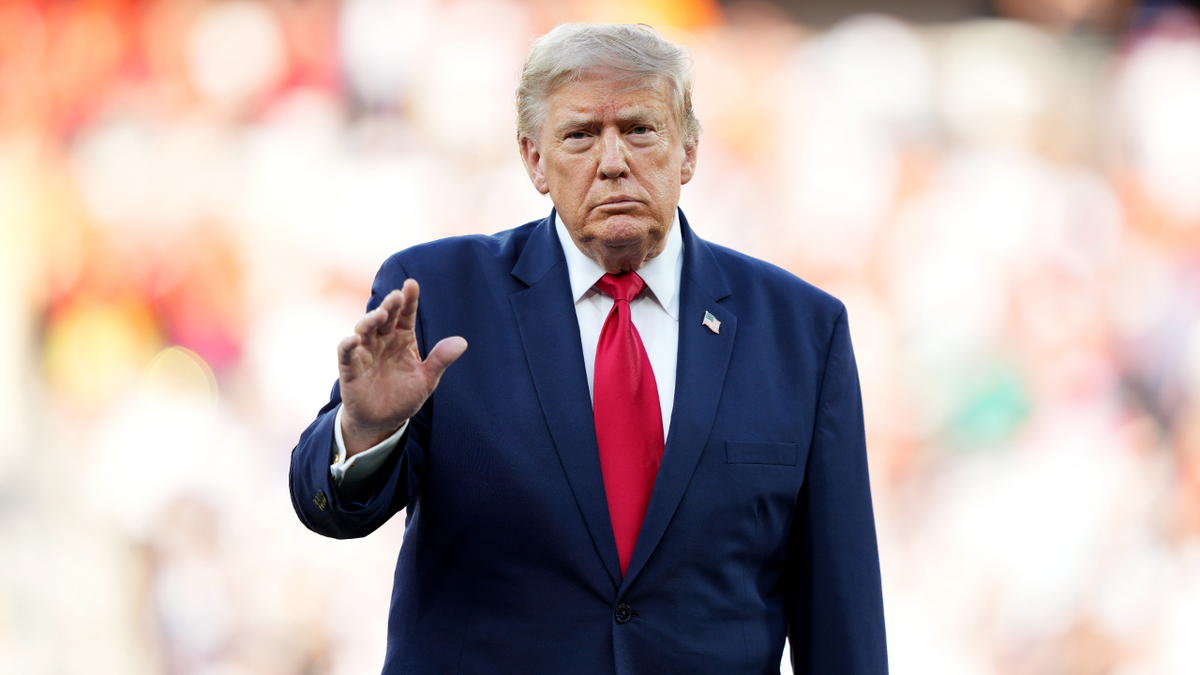
On July 20, President Donald Trump signed an executive order aimed at preventing U.S. defense contractors from sourcing key minerals from China. This step is a continuation of efforts to strengthen the security of crucial supply chains. The Pentagon has directed its focus on boosting production within the national defense industrial base, ensuring no foreign control over materials vital for military capabilities.
The administration’s strategy aligns with a push to bring manufacturing to U.S. soil. This shift reduces dependence on imports from unregulated and unreliable sources, benefiting both the U.S. labor force and national security.
There’s an emphasis on partnering with allies, especially those within the G7, as long as production remains in the U.S. An example is a recent agreement between U.S. company ReconCraft and Ukrainian firm Uforce for drone boat production in Portland, Oregon. This partnership is part of the Pentagon’s effort to increase its autonomous weapon capacity. In a kinetic strike test earlier this month, U.S. drone boats targeted an Iranian submarine facility in the Strait of Hormuz.
U.S. and Ukrainian forces will share expertise, utilizing Ukraine’s warfighting doctrine developed from ongoing conflict with Russia. This collaboration enhances U.S. military applications, particularly in regions like the Middle East, where advanced drone technologies are essential. Such approaches also apply to the semiconductor supply chain.
In December, Tennessee Senator Marsha Blackburn introduced the Chip EQUIP Act to address semiconductor vulnerabilities. This act prevents companies using CHIPS Act funds from buying technology from China or other adversarial nations. Blackburn, knowledgeable about semiconductor supply chains due to the presence of the Wacker Polysilicon Plant in Tennessee, advocates for securing these essential technologies.
The Trump administration’s proactive measures to secure critical supply chains show innovation and vigilance. With support from Congress through bipartisan legislative actions, the U.S. can continue to strengthen its military and national security.
Daniel N. Hoffman, a Fox News contributor since 2018, highlights these issues and contributes his expertise as a former CIA senior executive. Follow him on Twitter @danielhoffmanDC.