Fauci’s Diary Revelations: Media Bias and COVID-19 Policy Critique
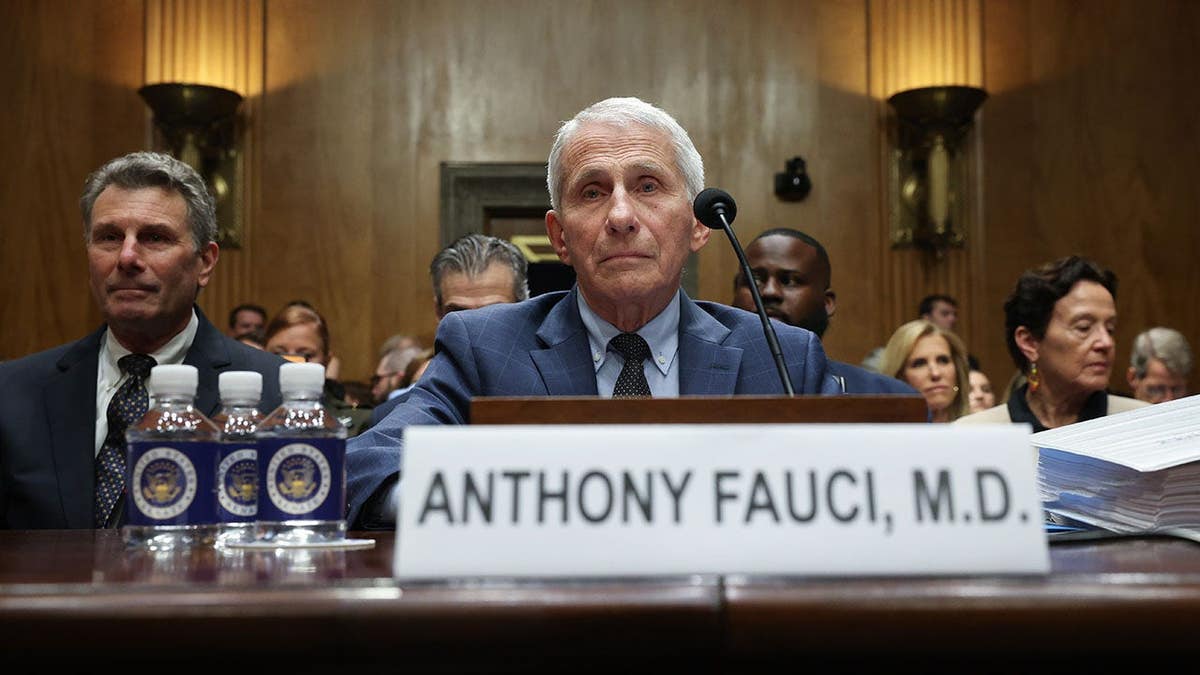
Unveiling Dr. Fauci’s Diary and Emails
The recent release of a substantial collection of diary entries and emails belonging to Anthony Fauci has sparked significant controversy. Initiated by Senator Rand Paul, this disclosure has uncovered various details that portray Fauci in a contentious light. The 85-year-old former public health official appears to be deeply fascinated with his unexpected rise to fame, meticulously detailing media appearances and celebrating favorable coverage from prominent news outlets.
Fauci’s notations also indicate a discrepancy between his public statements and private beliefs. Notably, he privately conceded that a laboratory leak of COVID-19 was plausible, if not likely. He admitted mandating masks without robust evidence, driven by widespread public adoption and CDC recommendations. Furthermore, he recognized the ineffectiveness of lockdowns, noting the fluctuating case rates irrespective of policy. Despite personal concerns about contracting COVID-19 at a vaccinated event, he subsequently advocated for stricter vaccine mandates.
Fauci faced criticism in media circles, with journalists like CNN’s Jake Tapper and Dana Bash mentioned frequently in the diary. Tapper had enjoyed several dinners with Fauci, notably one in October 2020, preceding Fauci’s call to curtail Thanksgiving gatherings. When prompted about potential bias due to this relationship, Tapper’s team offered no comment. Bash, another recipient of Fauci’s private communications, once complimented the latter following a heated exchange with Rep. Jim Jordan.
Media Allegiance and RFK Jr.’s Critique
Fauci’s diary further reveals his interactions with journalists, including feeding questions to them and nurturing friendships. RFK Jr. expressed concern during an interview with Bash, critiquing the widespread media praise of Fauci, which obstructed accountability. Kennedy argued that lockdowns, advocated by Fauci, led to severe national consequences, including economic disruption and educational setbacks, without achieving successful outcomes.
Kennedy highlighted the international comparisons of COVID-19 mortality rates, arguing that reliance on lockdowns was unproductive. Despite Duke University’s reassurances on public health policies, Kennedy acknowledged that the U.S. endured significant fatalities, a point Bash contested. Nonetheless, Kennedy suggested that the media, notably CNN, would have heavily criticized President Trump had he resisted these measures, revealing deep-seated media biases.
Debate on Constitutional Rights
Kenndy erred focus on the critical issue of constitutional rights during the pandemic. He called attention to the erosion of free speech and other liberties amid public health concerns. Bash appeared dismissive of this argument, prioritizing public health over constitutional freedoms. Kennedy’s interview included dire accusations of media malpractice, fueled by the uncritical acceptance of Fauci’s guidance and the demonization of dissenting medical voices.
Concluding Accusations
Kennedy’s sharp criticism culminated in accusing Bash and CNN of instilling fear and misinformation during COVID-19 coverage, primarily through sensationalized statistics and reliance on questionable expert opinions. The interview drew attention to the network’s history of promoting flawed narratives, often supported by frequently debunked expert claims. Despite CNN’s defense of its journalistic standards, Kennedy maintained that the network had failed to uphold its duty for unbiased scrutiny and public service.