NASA Opens New Wind Tunnel for Future Research
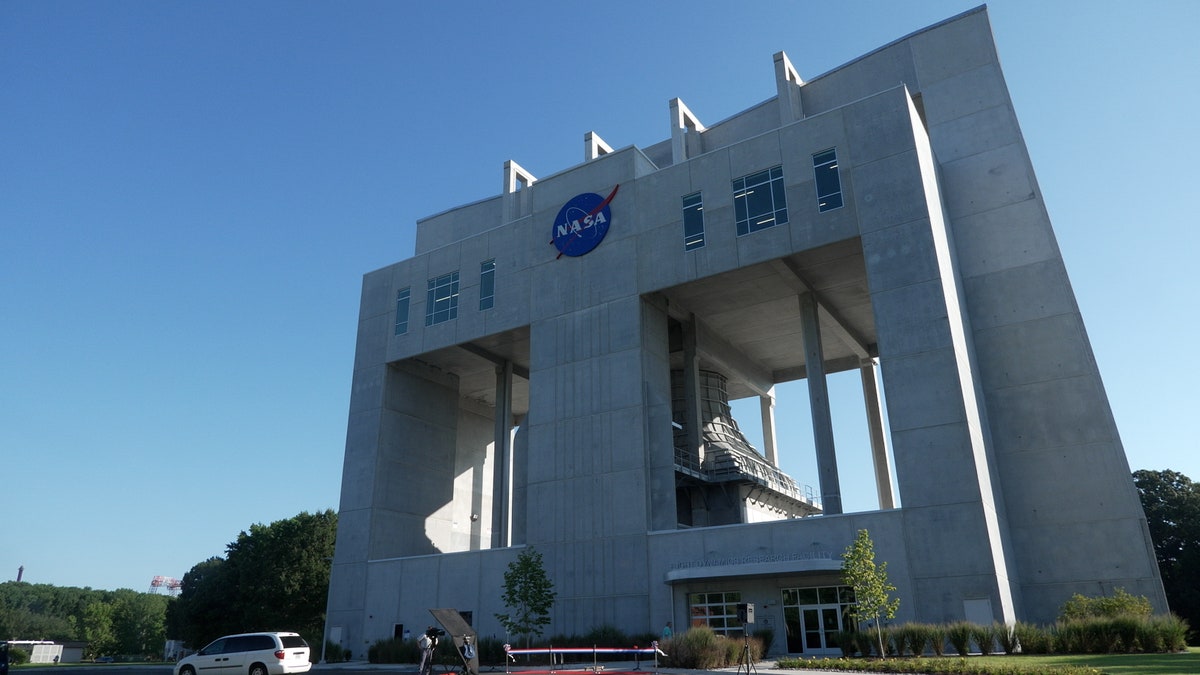
NASA has launched its first major new wind tunnel in over 40 years at the Langley Research Center in Hampton, Virginia. The Flight Dynamics Research Facility will support testing for future aircraft and space missions.
Dr. Trina Dyal, director at NASA’s Langley center, emphasized the importance of the facility, stating, The opening of the Flight Dynamics Research Facility represents a significant advancement for NASA and for the nation.
She highlighted that the modernized testing capabilities will keep the U.S. at the forefront of aerospace research.
The new facility, built in partnership with the US General Services Administration, replaces two older facilities that were over 80 years old. This is part of NASA’s initiative to modernize its infrastructure and cut costs on maintaining outdated facilities.
Jared Isaacman, administrator of NASA, commented, If we continue to invest in maintaining our historic facilities, it will come at the expense of next generation capabilities.
A ribbon-cutting ceremony was held to mark the opening, attended by leaders from industry, government, and the community. Attendees toured the 25,000-square-foot facility, featuring a vertical test section 20 feet in diameter and 24 feet tall, capable of generating wind speeds up to 117 mph.
Giovanny Guecha, technical lead for the NASA Dragonfly parachute system, noted the facility’s enhanced capabilities compared to previous methods.
The tunnel’s power comes from four 750-horsepower motors, with 14-foot-diameter, eight-bladed fans made from lightweight carbon-fiber blades. These allow for quick adjustments to simulate high-altitude flight conditions.
The facility will test technology for missions to Earth’s moon, Mars, Venus, and Titan, Saturn’s largest moon. It will also evaluate vehicles designed to travel through atmospheres, such as spacecraft returning to Earth.
David Storch, manager for NASA’s transonic dynamics tunnel, confirmed the significance of the facility, saying it will be involved in all future space missions that return to Earth.
This new resource will aid NASA and its partners in ensuring the safety and performance of next-generation aircraft, rockets, and autonomous flight vehicles.