The Health Benefits and Cost-Effectiveness of Consuming Organ Meats
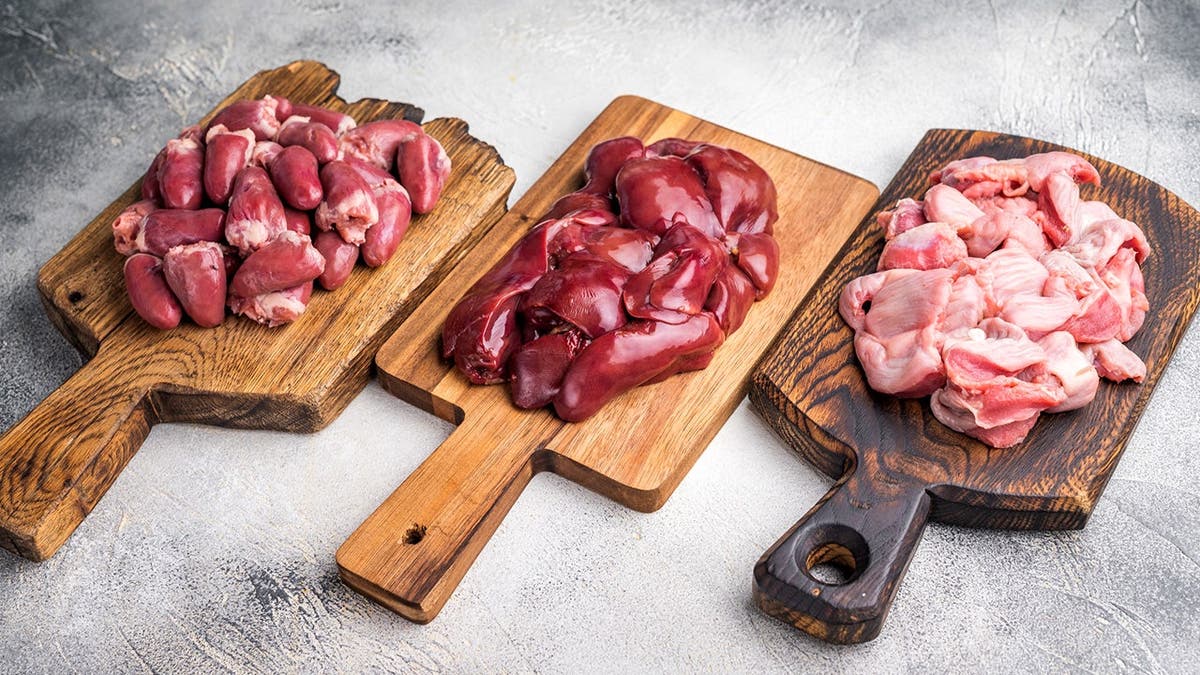
Organ meats, including kidneys, liver, and heart, offer a nutrient-rich, yet affordable option for consumers. Although many Americans shy away from these cuts, they provide significant nutritional benefits. The Cleveland Clinic highlights that organ meats contain higher levels of protein, vitamins, and minerals compared to premium muscle cuts.
Nutritional Content of Organ Meats
Beef liver, often referred to as “nature’s multivitamin,” is particularly nutrient-dense. According to the National Institutes of Health, a 3-ounce serving of beef liver contains 70.7 micrograms of vitamin B12. In comparison, the same amount of top sirloin steak offers only 2.41 micrograms of B12, as noted by the U.S. Department of Agriculture (USDA).
Cost Advantages
Organ meats are economical. They can be between 50% and 90% cheaper than popular cuts like filet mignon and ribeye. USDA Choice beef liver is priced at $3.39 per pound on Instacart, while USDA Choice beef loin top sirloin costs $14.29 per pound.
“Organ meats, such as liver, contain higher concentrations of vitamin A, B vitamins, copper, folate, and iron compared to more widely consumed cuts,” shares Roxana Ehsani, a dietitian based in Washington, D.C.
However, organ meats may also have higher cholesterol and saturated fat content.
Historical Context
Before World War II, organ meats were a mainstay in American diets. During the war, the emphasis was on reserving muscle cuts for military personnel, leading citizens to consume more offal. International popularity remains, with dishes like tripe, haggis, and foie gras incorporating these variety cuts.
Despite their low domestic demand, organ meats remain an important export. In 2024, they comprised 22% of U.S. beef export volume, generating nearly $1.1 billion in revenue, as reported by Michigan State University Extension.
Changing Trends
Organ meats fell out of favor post-World War II due to associations with poverty, wartime rationing, and the rise of industrial meatpacking. However, nose-to-tail or ancestral eating is regaining popularity. Health and Human Services Secretary Robert F. Kennedy Jr. has advocated for liver as an affordable nutritional option.
To introduce organ meats into meals, dietitian Ehsani suggests slowly incorporating them about once a week. Mixing half organ meat with half ground beef in familiar recipes and seasoning with herbs and spices can help acclimate consumers to their flavors and textures.
For more insights into lifestyle choices, Teresa Mull of the Fox News Digital Lifestyle team offers additional advice.