AI Data Centers and Rising Electricity Costs in the U.S.
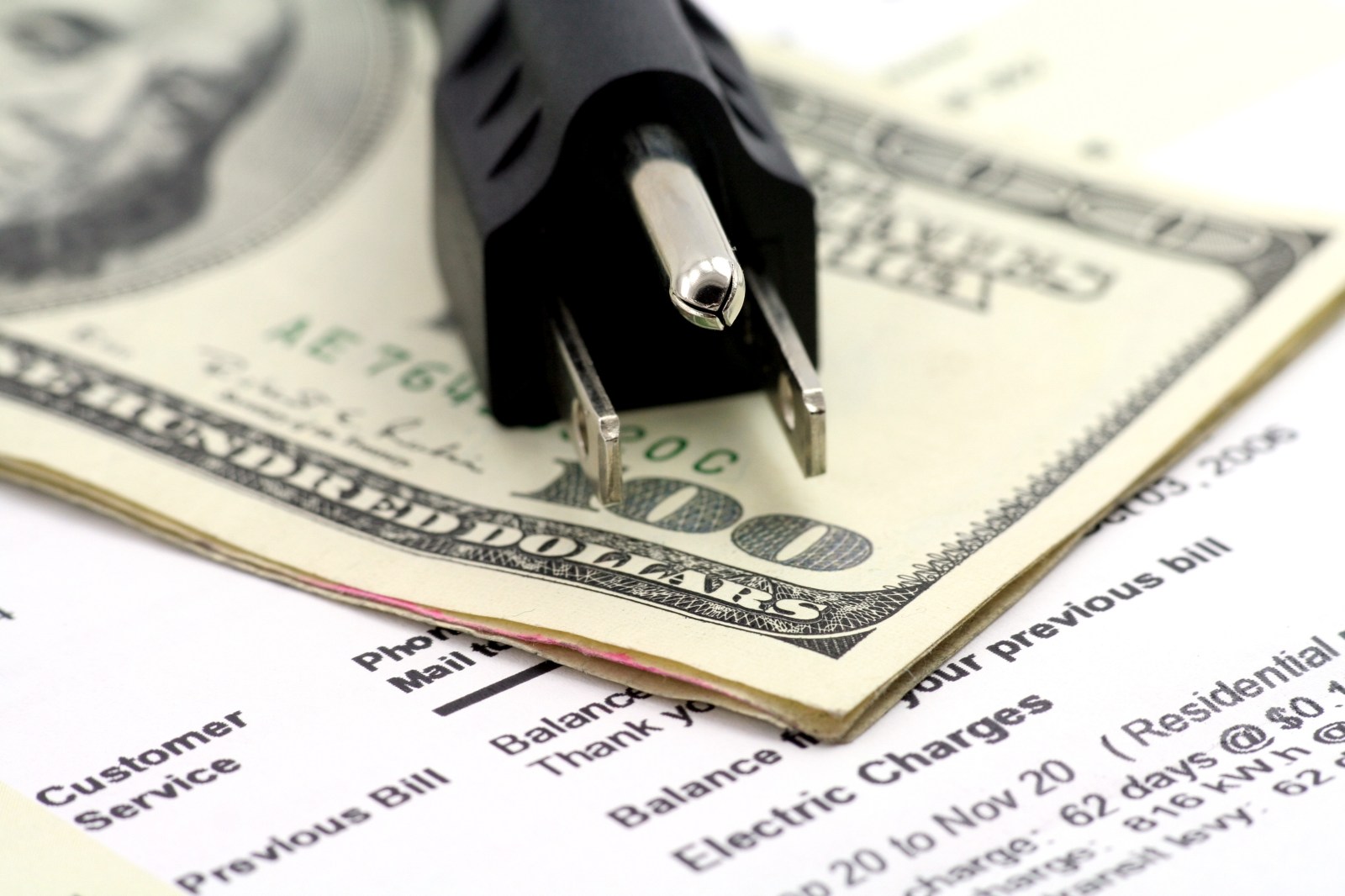
Electricity prices have increased in many parts of the United States recently. Higher fuel costs, grid upgrades, and extreme weather partly drive this rise. Another factor influencing your higher electricity bill is the increase in new AI data centers. While these centers aren’t the only reason for higher costs, some states are concerned about their impact. These data centers require much power, which might push utility costs higher.
“When those costs are spread across everyone’s bill, ordinary customers are financing infrastructure for some of the richest companies in the world,” Michael Ryan, founder of MichaelRyanMoney.com, told Newsweek.
Why It Matters
The U.S. is experiencing a surge in AI infrastructure development. While data centers currently use about 4% of U.S. electricity, this figure is expected to grow. Billions of dollars are needed for power plants and transmission lines. There is debate about who should finance these: tech companies or residents.
States Affected by Data Center Costs
Virginia
Virginia hosts one of the largest concentrations of data centers globally, especially in Northern Virginia’s ‘Data Center Alley.’ The costs of new infrastructure to support this growth concern residents.
“A data center should be treated like a new real estate development: the supporting infrastructure must be identified, priced, and funded before construction begins,” Arie Brish, business professor at St. Edward’s University, told Newsweek.
Texas
Texas is also a significant destination for AI investments and data center construction. ERCOT, the grid operator, has warned about potential electricity demand surges due to new industrial loads, including AI facilities. Residents in regions where data center growth is concentrated face higher bills.
Georgia
Data center growth and rising electricity costs are central issues in Georgia. Residents have organized opposition against these developments. Georgia Power proposed a $15 billion plan to increase power capacity to meet data center demand.
Ohio, Illinois, and the PJM Region
States in the PJM Interconnection, like Ohio and Illinois, face scrutiny over the high power demands from data centers and their effect on long-term electricity costs.
Data Center Opposition
Opposition to data centers has spread to about 40 states. The main concerns are increased electricity demand and higher utility bills. Other issues include water consumption, noise, and environmental impact. Residents have challenged AI projects through lawsuits and political campaigns.
“I think what is most interesting is that the backlash, especially when coordinated properly, does seem to win at the county level,” Arif Gasilov of Gasilov Group told Newsweek.
Federal regulators are working to prevent cost shifting and speculative projects. Public opposition might halt some facilities but will not stop AI infrastructure nationally. It might change project locations and who finances them.
Presidential Initiative
Last month, President Donald Trump introduced the Ratepayer Protection Pledge. It encourages companies building large AI facilities to cover their energy infrastructure costs, not residents.
“President Trump is calling on the leading United States hyperscalers and AI companies to build, bring, or buy all of the energy needed for building and operating data centers,” the White House said in a release.
States with Minimal Data Center Impact
Data center development is concentrated in states like Virginia, Texas, Ohio, Illinois, Georgia, and Pennsylvania. States like Alaska and Vermont have little data center construction. Factors like power availability, fiber connectivity, and land costs influence construction locations.
“AI facilities can require enormous amounts of electricity, and in some locations, significant water resources,” Alex Beene, financial literacy instructor at the University of Tennessee at Martin, told Newsweek.
While these projects bring jobs and tax revenue, the challenge is ensuring residents do not bear the costs while companies benefit.
Future Legislation
More states are considering requiring data center developers to pay for infrastructure costs. Currently, 27 states have considered legislation to ensure developers cover energy costs. California, Ohio, and Utah have laws surpassing the federal Ratepayer Protection Pledge.
“The bipartisan backlash is understandable,” Beene said. “Many communities want a stronger say in projects that can permanently reshape their neighborhoods.”